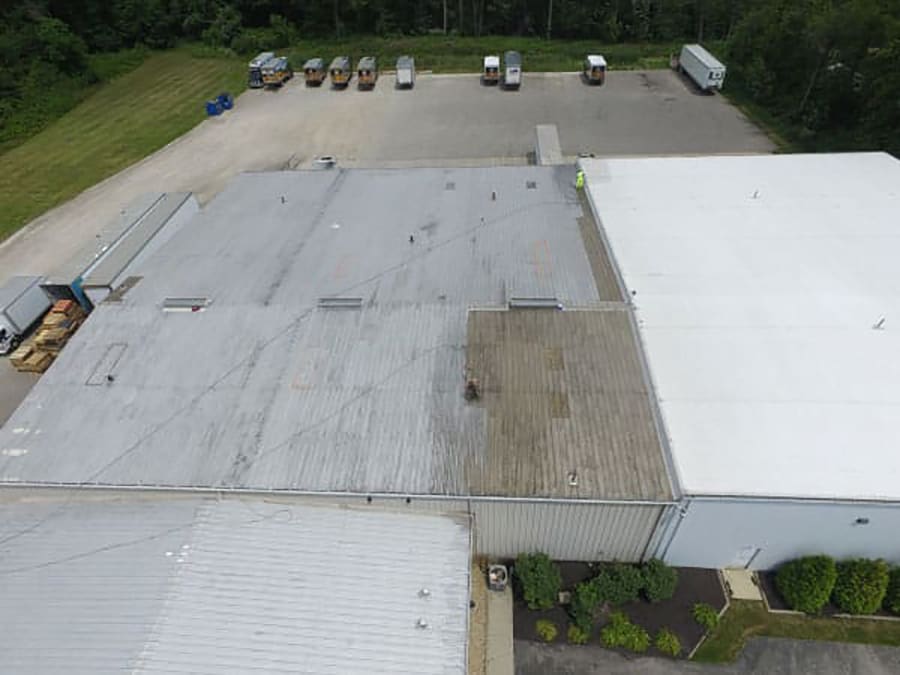
Lancaster, PA has many commercial buildings with aging low-slope roofs that may not need full replacement yet. For warehouses, retail centers, industrial facilities, and mixed-use properties, roof restoration can extend roof life while reducing cost and disruption.
For related commercial roofing guidance in Lancaster, see Commercial roof inspections in Lancaster and Roof coating in Lancaster.
Call Oak Grove Roofing at (717) 945-9939 for roof restoration in Lancaster, PA.
Roof Restoration Delivers Strong ROI
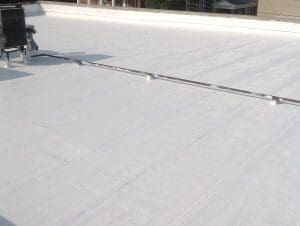 A full commercial roof replacement can be expensive because it often includes tear-off, disposal, new materials, and a larger labor commitment. Those costs rise quickly on large flat or low-slope roofs, especially for manufacturing facilities, distribution buildings, and commercial properties along Route 30. Restoration can reduce that financial burden by keeping the existing roof system in place when the roof is still structurally sound.
The return on investment comes from avoiding unnecessary replacement while gaining additional service life. Instead of paying for full removal and rebuild, restoration focuses on preparing the existing roof, correcting problem areas, reinforcing vulnerable seams or penetrations, and applying a protective coating system. This approach can help owners delay major capital spending while still protecting the building.
Downtime also matters. Replacement can interrupt business activity, limit access around the building, and create more noise, debris, and scheduling challenges. Restoration is often less disruptive because there is no major tear-off when the roof qualifies. For property managers, that can mean fewer tenant issues and less impact on daily operations.
How Restoration Extends Roof Life
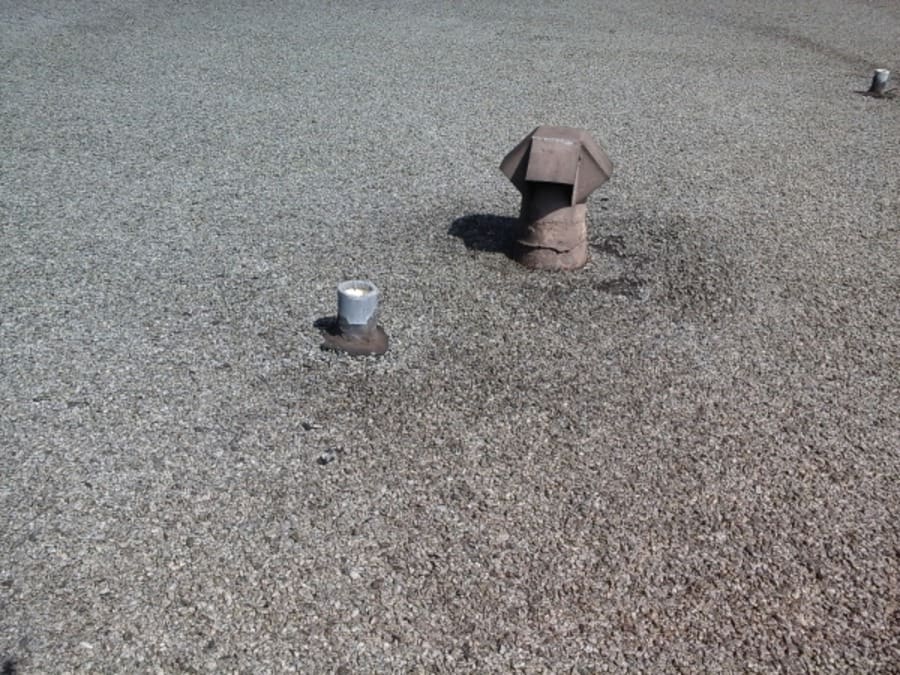
Roof restoration is a full-system approach. It does more than patch a leak or seal one damaged area. The process usually begins with an inspection to determine whether the roof can be restored. If it qualifies, the surface is cleaned, repairs are completed, seams and penetrations are addressed, and a seamless protective coating is installed across the roof surface.
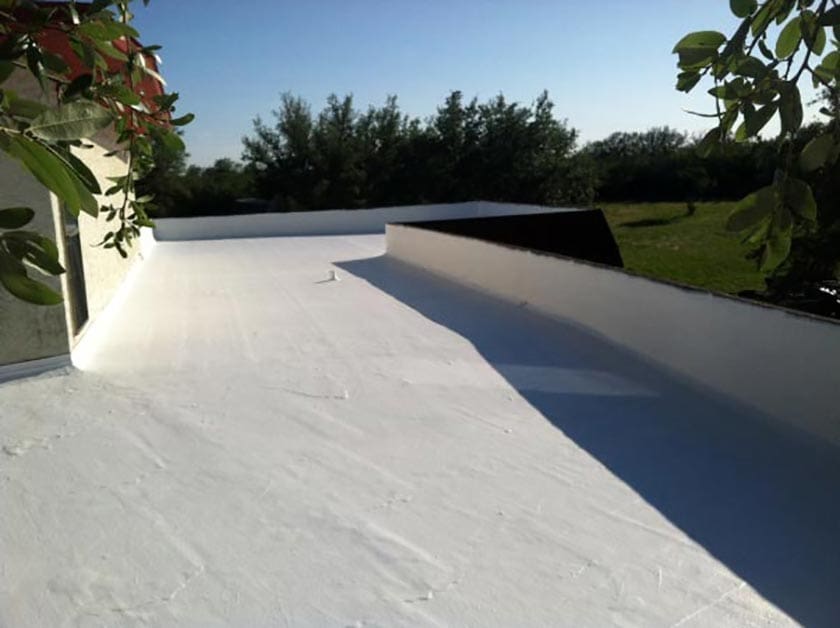
The coating acts as a protective layer against sun exposure, moisture, and weathering. On Lancaster commercial buildings, where roofs face humid summers, freeze-thaw cycles, rain, and seasonal temperature changes, that added protection can slow deterioration. It can also improve reflectivity, which means the roof surface absorbs less heat during hot weather.
Many coating systems can also be recoated near the end of the warranty period. This gives building owners a path to renew protection and extend roof life again without moving directly into replacement. For an older but serviceable roof, that repeatable lifecycle can make restoration a strong long-term maintenance strategy.
Roof Restoration Versus Roof Repair
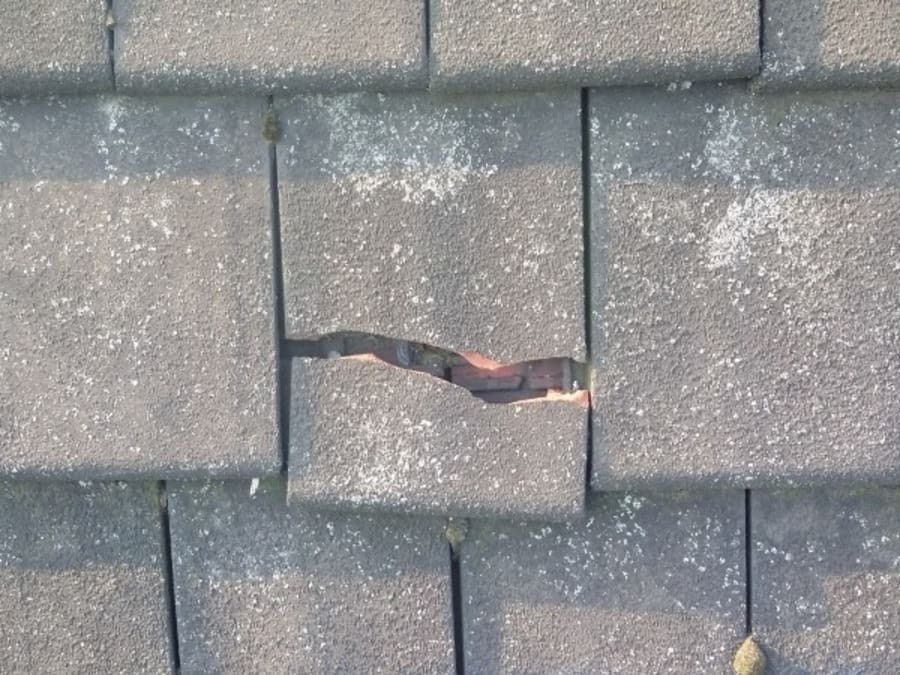
Roof repair addresses specific problems. A repair may fix a puncture, replace damaged flashing, seal a leak, or correct a limited area of membrane damage. Repairs are useful when the rest of the roof is in good condition and the issue is isolated.
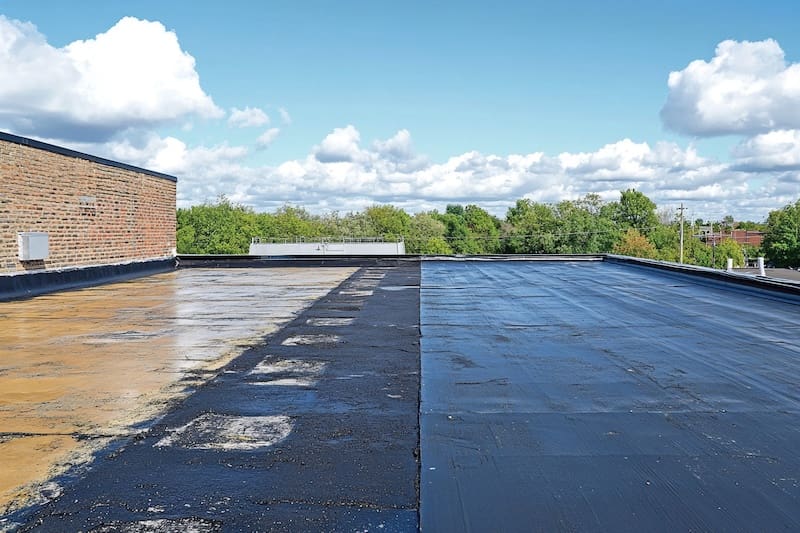
Roof restoration has a larger purpose. It treats the roof as a system rather than a collection of separate problems. If a roof has widespread surface aging, seam wear, minor leaks, or general weathering, restoration may provide more value than making repeated small repairs. It can reset the roof’s protective surface and reduce the likelihood of ongoing service calls.
For Lancaster property owners managing older industrial, warehouse, and mixed-use buildings, this distinction matters. A few repairs may be enough for a newer roof with one problem area. An aging roof that is still structurally sound may be a better candidate for restoration because the investment addresses broader deterioration before replacement becomes the only realistic option.
When Roof Restoration Is Viable
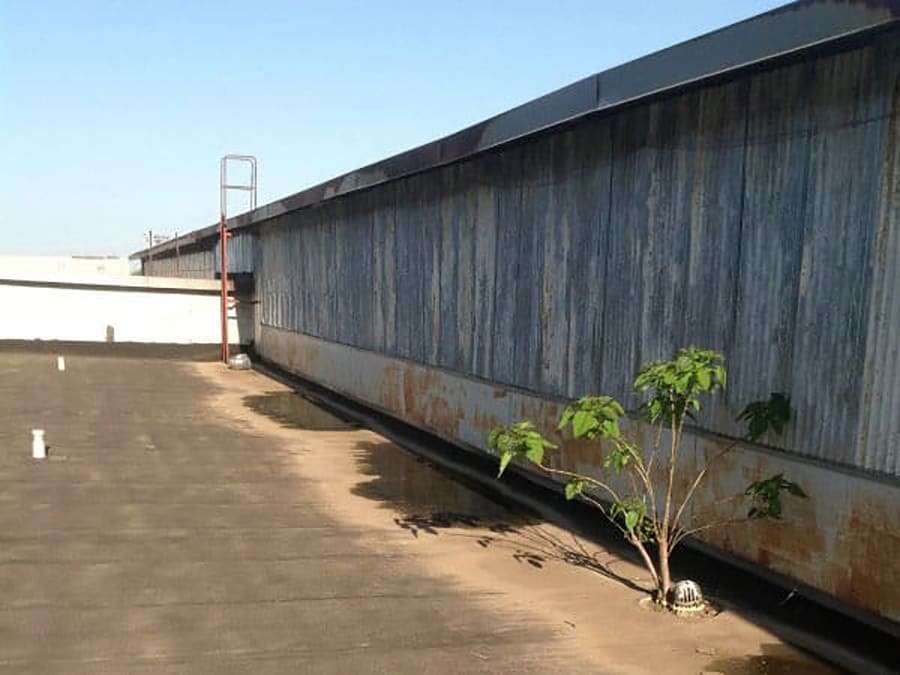
Restoration is not the right answer for every roof. The existing roof needs to be stable enough to support another service cycle. That means the decking should be sound, the insulation should not be widely saturated, and drainage problems should be correctable. Ponding water means water remains on the roof for an extended period after rainfall, which can shorten roof life if drainage problems are not addressed.
Replacement becomes the better choice when the roof has widespread structural damage, trapped moisture across large areas, severe membrane failure, or decking deterioration. In those cases, coating over the roof would not solve the underlying problem. A restoration decision should begin with a clear inspection, not an assumption that coating is always the right answer.
The best financial decision depends on the roof’s current condition, the owner’s budget, the building’s use, and the expected holding period for the property. A roof that is likely to remain in service for many years may benefit from restoration if it qualifies. A roof that is too deteriorated may require replacement to protect the structure and avoid larger interior damage.
Lancaster Roof Restoration Experts
Roof restoration can be a financially sound alternative to full replacement for Lancaster commercial buildings with aging but serviceable roofs. By avoiding tear-off, reducing disposal costs, limiting disruption, and extending roof life, restoration can help property owners protect both the building and the budget.
For roof restoration in Lancaster, PA contact Oak Grove Roofing at (717) 945-9939 today.
FAQ
How does roof restoration compare in cost to a full commercial roof replacement in Lancaster, PA?
oof restoration typically costs a fraction of full replacement because it avoids much of the tear-off, landfill disposal, and installation labor associated with a new roof system. The main ROI benefit is extending roof life without taking on the full cost and disruption of replacement.
What condition does a roof need to be in to qualify for restoration?
A roof usually needs to be structurally sound, without widespread decking damage, major trapped moisture, or drainage problems that cannot be corrected. A professional inspection determines whether restoration is a smart option or whether replacement would be the safer long-term decision.