Commercial Roof Repair in Cherry Hill, NJ
Commercial roof repair is targeted work that addresses a defined defect or leak source on a flat or low-slope roof without automatically replacing the whole system. For a Cherry Hill building, repair can fit when damage is localized, such as an open seam, failed flashing, puncture, or leaking penetration, and the surrounding membrane, insulation, attachment, and substrate remain suitable. When deterioration or moisture extends beyond the visible defect, a broader restoration or replacement scope may need to be compared.
Oak Grove Roofing provides general commercial roofing, including roof repair, and serves Cherry Hill, New Jersey and the surrounding region. The company has more than 20 years of experience, is fully insured and bonded, and is led by founder and CEO Isaac (Ike) Stoltzfus, a certified roofing professional.
Common Problems a Commercial Roof Repair Addresses
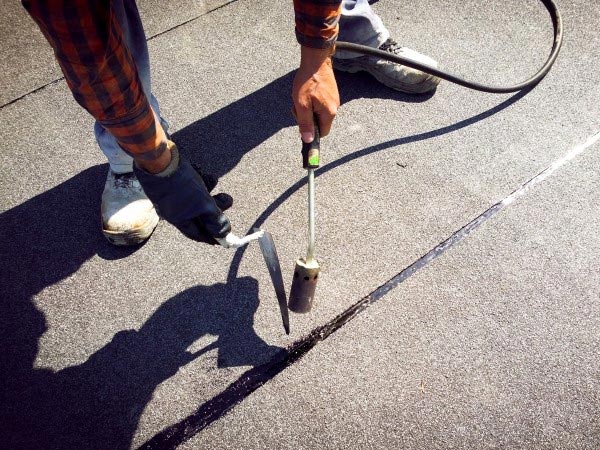
Leaks on flat and low-slope roofs can begin at seams, flashings, penetrations, drains, membrane damage, or other details. A repair begins by identifying the actual entry point, which may be some distance from the stain inside the building. Conditions worth checking include:
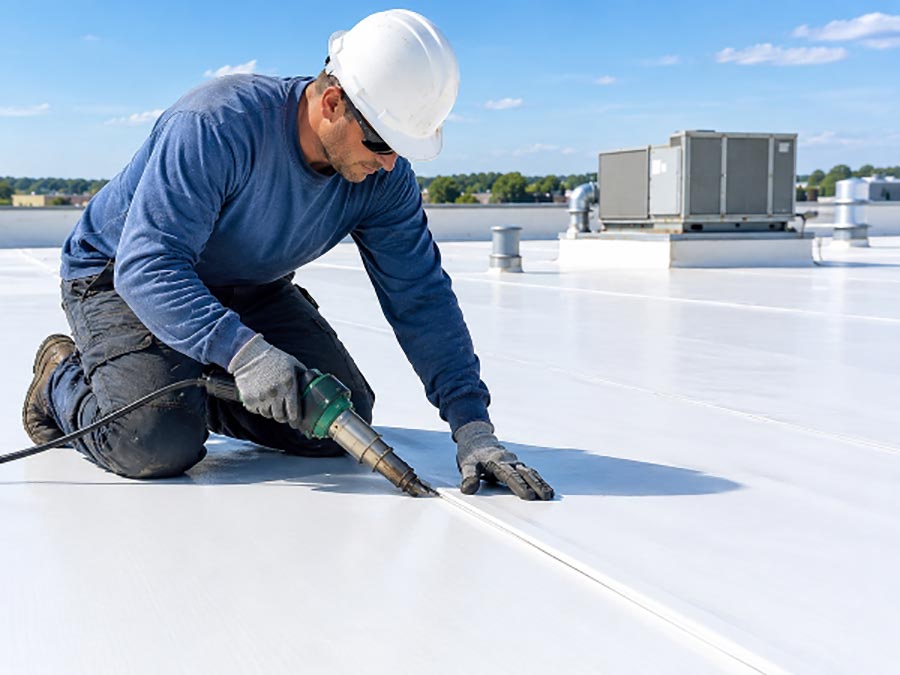
- Open seams and laps. Movement and age can pull seams apart, letting water travel along the joint before it drips inside.
- Failed flashing. Where the roof meets a parapet, wall, curb, or rooftop unit, loose terminations and cracked sealant are a leading cause of leaks.
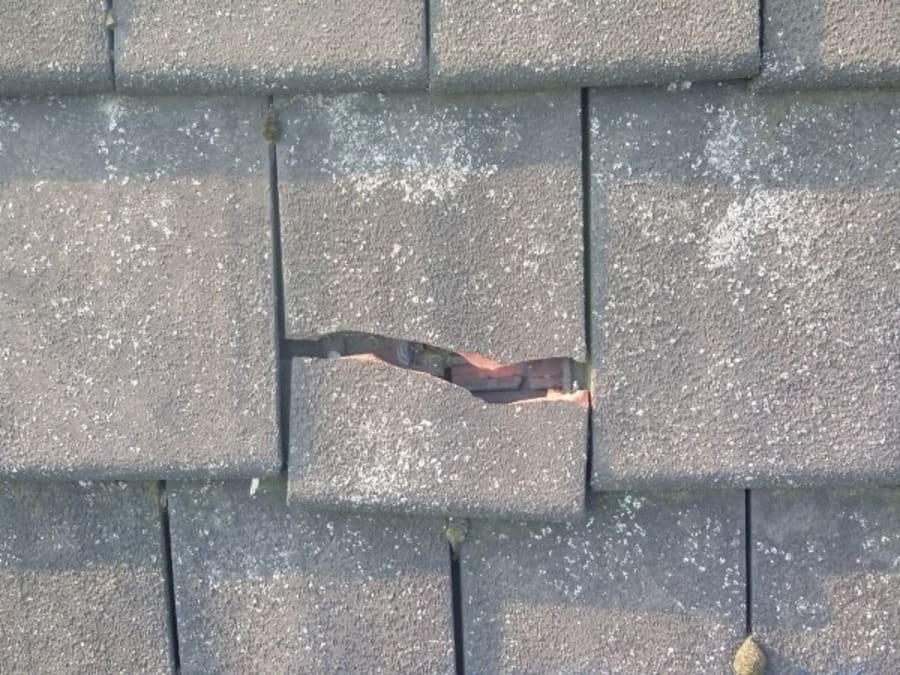
- Punctures and tears. Foot traffic, dropped tools, debris, and hail can cut or tear the membrane.
- Blisters and splits. Trapped moisture or thermal movement can raise the surface or crack it open.
- Leaking penetrations. Pipes, vents, conduit, and skylights each need a sound seal around them.
- Drain and ponding problems. Clogged or poorly sealed drains and low spots that hold water speed up wear and often show up as repeat leaks.
Treating only the visible symptom can leave the actual leak source unresolved. A ceiling stain does not prove that water entered directly above it because moisture can travel within the roof or building assembly.
How a Repair Is Matched to the Roof
The method depends on what the roof is made of, what is wrong with it, and what the surface will bond to. A repair scope commonly considers the following steps:
- Locate the source. The repair crew traces water to its entry point, checking seams, flashings, penetrations, and drains around the affected area.
- Check for wet material. Moisture in insulation or the deck can change the repair scope because a surface patch does not address concealed wet or deteriorated materials.
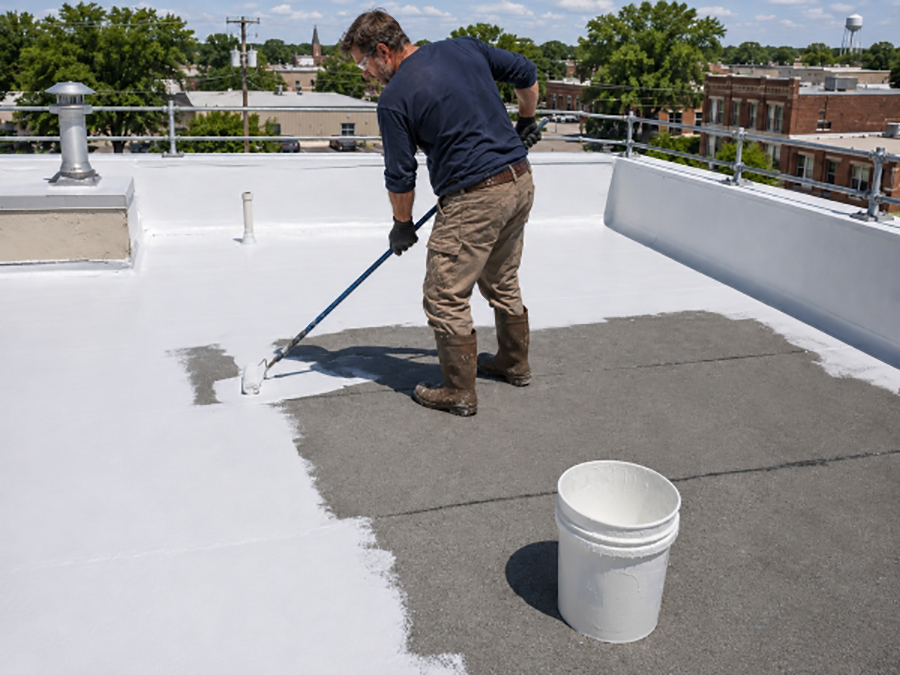
- Prepare the surface. The area is cleaned, loose or failed material is removed, and the surface is made dry and ready to bond.
- Use a compatible material. Patches, sealants, and liquid-applied materials should be compatible with the existing roof and installed under the selected product’s preparation and application requirements.
- Reinforce where movement occurs. At some seams, corners, and penetrations, the selected repair system may use reinforcing fabric or another compatible detail where additional reinforcement is appropriate.
- Restore the details. Flashings, edges, and drain connections are resealed or replaced so the repair holds beyond the first storm.
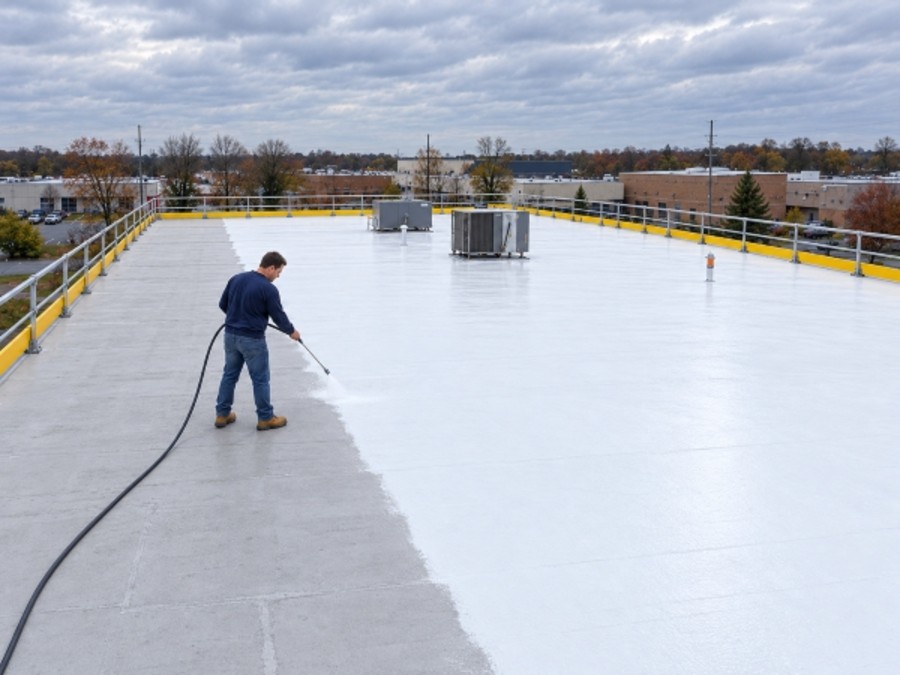
The roof repair service page describes the leak, flashing, and membrane work Oak Grove Roofing handles on flat and low-slope roofs. For leak-prone seams and corners, the fabric-reinforced roofing system shows how reinforcement and a protective coating form a seamless layer over the existing roof.
Cherry Hill Conditions That Stress Flat Roofs
Cherry Hill commercial roofs can be exposed to summer heat and humidity, freezing temperatures, rain, wind, and seasonal temperature changes. Those conditions can affect membrane movement, sealants, flashings, drainage, and application timing. Commercial properties in the area, such as offices, retail centers, and warehouses, often carry rooftop equipment, multiple drains, and parapet walls, and every one of those adds a detail that has to stay sealed. A roof that looks fine from the middle can still have a failing curb flashing or a drain that lets water under the membrane after a hard rain.
Recurring standing water can indicate drainage, slope, outlet, or substrate conditions that should be evaluated along with the visible roof damage rather than treated as a separate cosmetic issue.
When Repair Is Enough and When It Is Not
A repair makes the most sense in these situations:
- The leak can be traced to one or two specific defects.
- The insulation and deck beneath the damage are dry.
- The membrane elsewhere is well adhered and has useful life left.
- The cost of the repair is small compared with the cost of a larger project.
A broader scope deserves a closer look when leaks keep returning in different areas, deterioration is widespread, or moisture extends through significant portions of the assembly. Where the existing roof is a suitable restoration base, a compatible coating or restoration system may be considered; wet or deteriorated components may require removal or replacement before that work proceeds. The roof inspection and evaluation service documents the roof’s condition so a property owner can compare repair against a larger project with real information.
What to Gather Before Requesting Repair Work
A few details help a repair visit go faster and produce a more accurate scope:
- Where and when the leak appeared inside the building, and whether it follows heavy rain, snowmelt, or wind.
- Photos of ceiling stains, wet insulation, or damaged flashing if they are available.
- Any past repair records, and the approximate age and type of the roof.
- Whether rooftop equipment has been installed or serviced recently.
For a commercial building, the scope should identify access, interior protection, equipment or tenant impacts, and any operational restrictions that apply to the work. Weather also controls timing. Sealants and liquid-applied repair materials have product-specific requirements for surface condition, moisture, temperature, and cure, so weather can affect when permanent work can be completed. If a leak is active, a contractor may use a temporary water-control measure when conditions do not allow the intended permanent repair, with the permanent scope completed under suitable conditions.
Frequently Asked Questions
How long does a commercial roof repair take?
There is no single duration for every repair. Timing depends on access, defect size, moisture findings, materials, cure requirements, concealed conditions, and weather.
Can a flat roof be repaired while the building stays in use?
Sometimes. Whether the building can remain in normal use depends on roof access, interior protection, noise, odors, equipment, safety restrictions, and the actual repair scope.
Will a repair stop all future leaks?
A repair addresses the defect included in its scope. It does not guarantee that unrelated areas will not develop future leaks, which is why surrounding roof condition matters.
What is the difference between roof repair and a roof coating?
Repair addresses a specific defect. A coating is a broader surface treatment that may be considered when the existing roof is a suitable restoration base after moisture, adhesion, compatibility, and preparation checks.