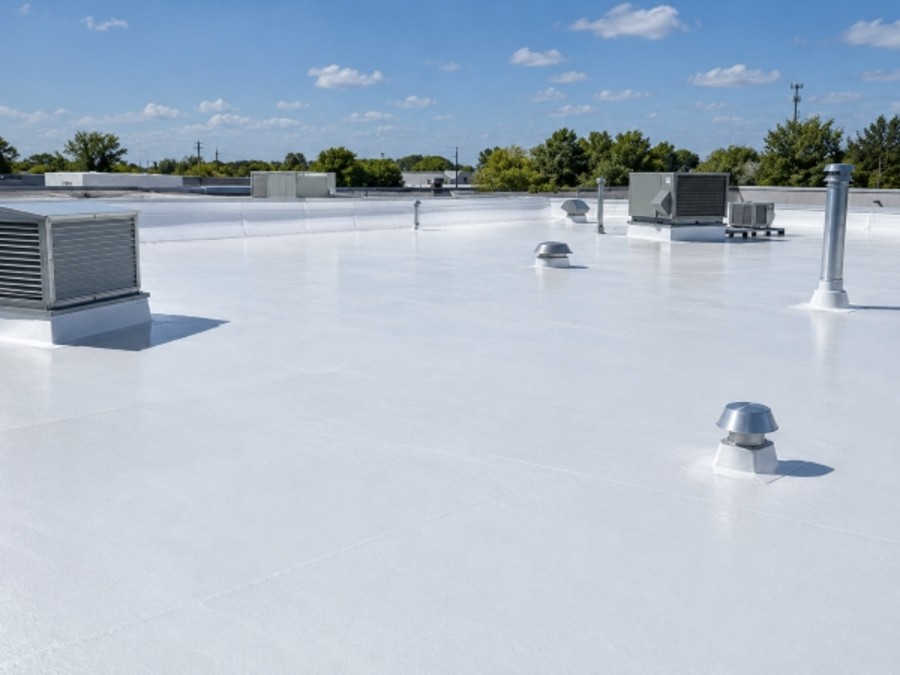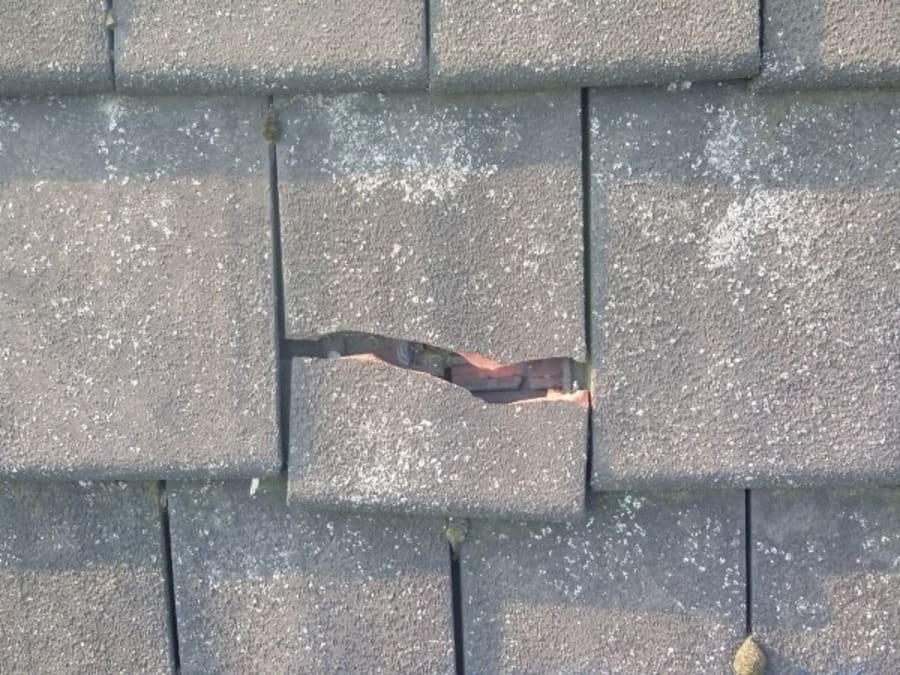
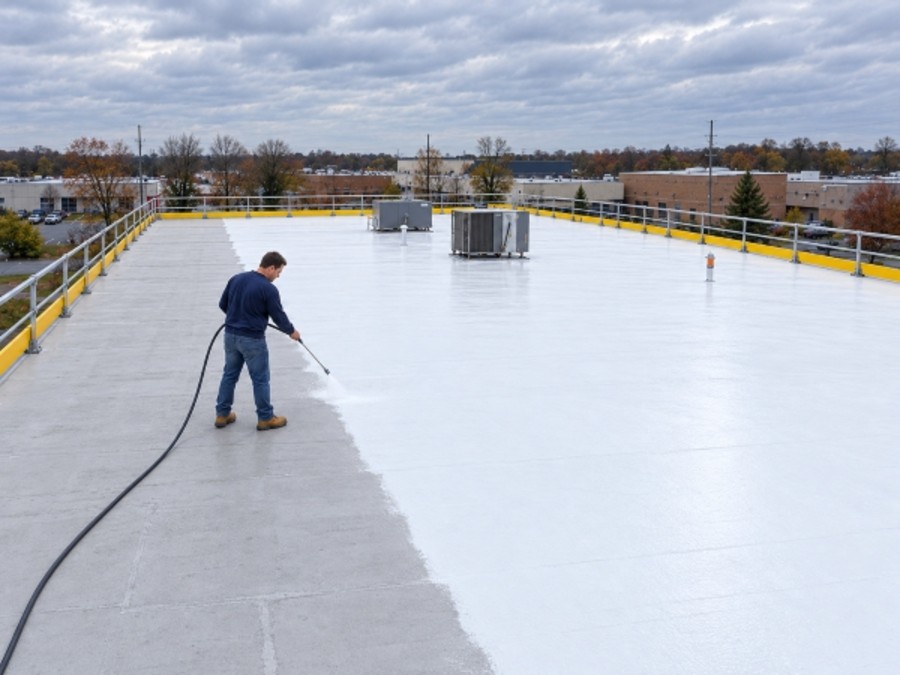
Roof coating in Wilmington, DE can be a practical restoration option for a commercial flat or low-slope roof when the existing roof is still a suitable base for coating. Oak Grove Roofing provides acrylic and silicone coating and restoration services, but the right system depends on drainage, moisture, substrate condition, repairs, and compatibility with the roof that is already in place.
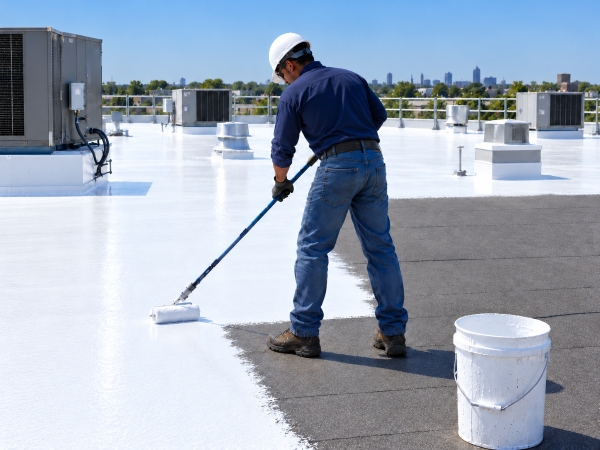
The coating decision should start with the roof condition, not with a preference for acrylic or silicone. A roof with localized defects, wet insulation, unstable substrate, or unresolved drainage may need repair or a different scope before coating is considered. The goal is to restore a serviceable roof surface, not to cover conditions that will continue to cause problems underneath.
Acrylic and Silicone Coatings Serve Different Conditions
Acrylic and silicone coatings are both used on commercial roofs, but they are not interchangeable. Each product has its own preparation, application, cure, and substrate requirements.
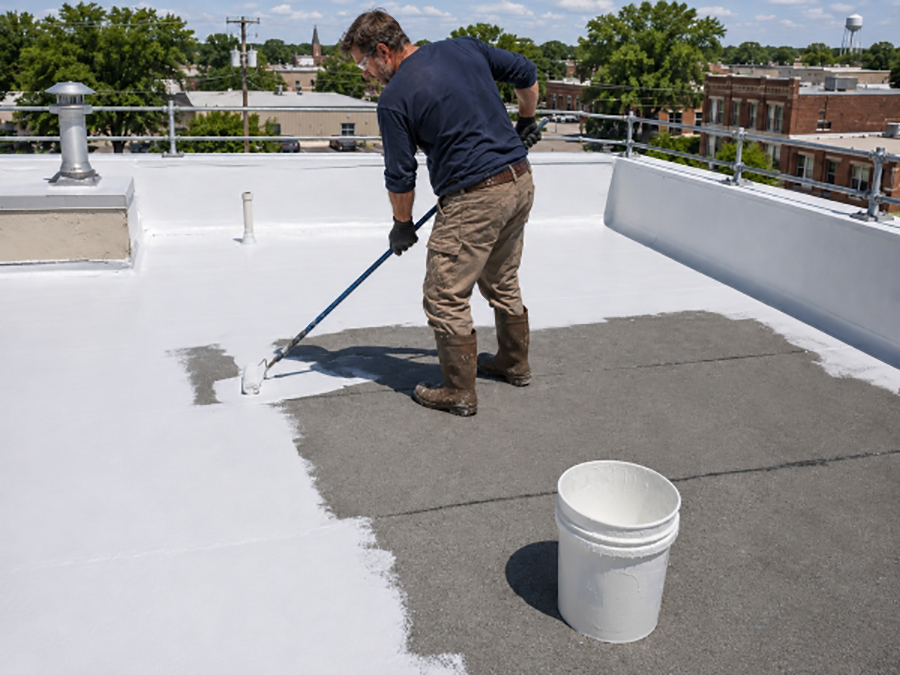
- Acrylic coatings: These are commonly used on commercial roofs that drain well and are suitable for a water-based restoration coating. Product-specific adhesion, temperature, and cure requirements still control the installation.
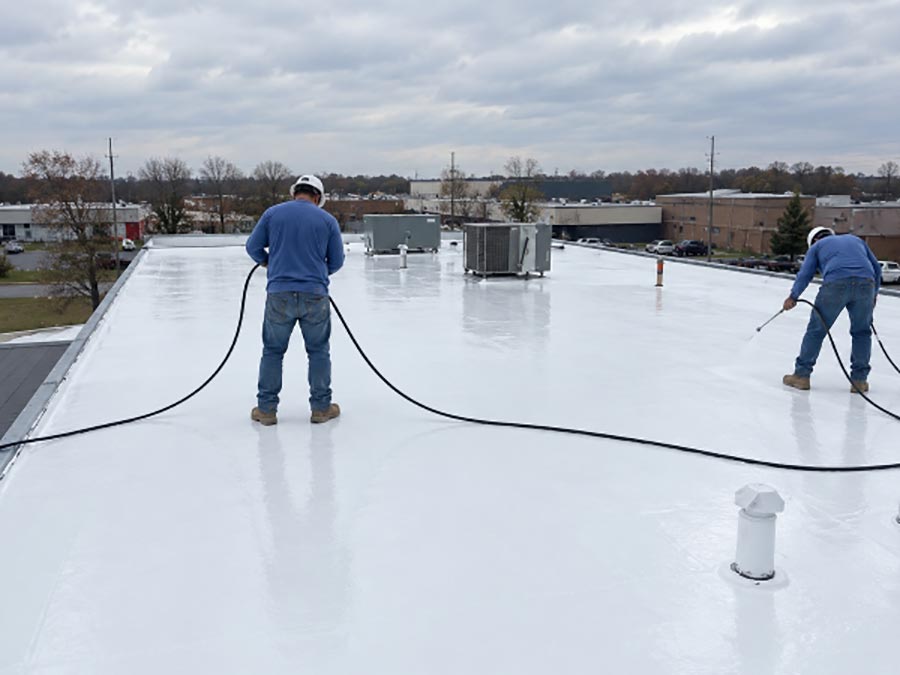
- Silicone coatings: These are often considered where the selected system is approved for roof conditions that include recurring moisture or ponding. Future recoating and surface preparation also need to account for compatibility with the cured silicone surface.
Neither chemistry is automatically better. The roof’s drainage, substrate, prior coatings, repair history, and moisture condition should guide the choice.
What Makes a Roof a Good Coating Candidate?
Coating works best when the existing roof remains serviceable enough to stay in place. Before recommending a system, the contractor should evaluate several conditions.
- Moisture: Suspected wet insulation or substrate conditions should be investigated before coating. A surface coating should not be used to trap known wet materials inside the roof assembly.
- Adhesion: The existing roof surface must be able to accept the selected coating system after cleaning and preparation.
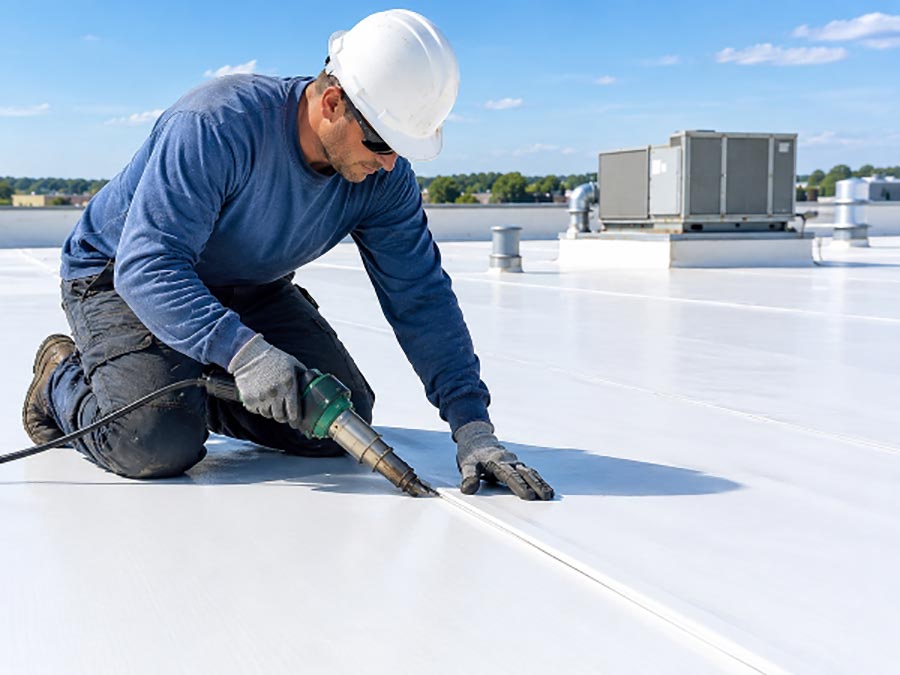
- Repairs: Open seams, punctures, flashing defects, loose material, and other known roof problems should be corrected before the restoration layer is applied.
- Drainage: Recurring standing water should be evaluated separately rather than assumed to be solved by the coating itself.
- Substrate compatibility: The roof material, previous coatings, repair products, and surface condition can all affect which coating system is appropriate.
Oak Grove Roofing’s roof inspection and evaluation service can help document these conditions before a coating scope is set.
Ponding Water Needs Its Own Evaluation
Standing water can occur because of blocked drains, low areas, settlement, slope, or outlet conditions. Silicone may be considered on some roofs with recurring ponding, but that does not make drainage problems irrelevant.
A coating proposal should explain whether the observed water conditions are acceptable for the selected system and whether any drainage correction is needed first. If drains, slope, or low areas are contributing to the problem, those items may require a separate repair or restoration scope.
Coating Over an Existing Roof Still Requires Preparation
One reason owners consider restoration is that the existing roof may remain in place when it is a suitable coating candidate. That does not mean every coating project avoids removal or tear-off work. Wet insulation, failed roofing, unstable substrate, or incompatible materials may need to be removed or corrected before coating begins.
Preparation may include cleaning, localized repairs, removal of loose material, treatment of seams and flashing, and primer where required by the selected system. The coating should then be applied according to the product’s actual coverage, thickness, weather, and cure requirements.
Oak Grove Roofing’s membrane roof coating system page provides related context for commercial membrane roofs.
Spray Foam Roofs Also Depend on a Protective Surface
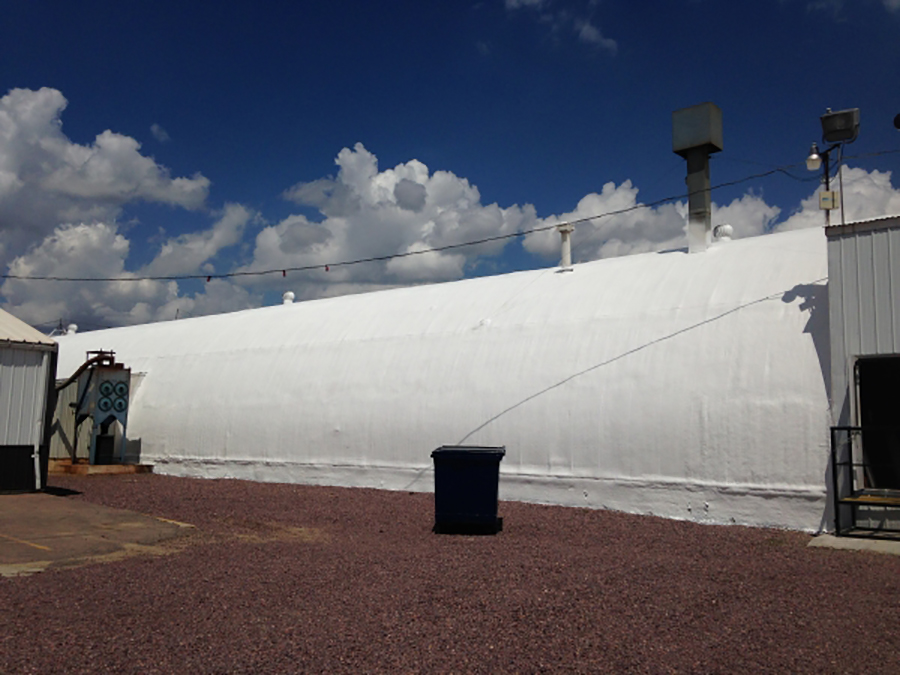
Spray polyurethane foam roofs use a protective coating as part of the roof system. Over time, the coating may need maintenance or restoration depending on exposure, wear, repairs, and the requirements of the installed system.
That does not mean every foam roof needs the same coating or the same maintenance schedule. The existing foam condition, moisture, surface wear, prior repairs, and selected coating all matter. Oak Grove Roofing’s foam and coating roof system page explains the relationship between the foam layer and its protective surface.
Reflectivity Is Only One Part of the Decision
Some roof coatings are designed to be reflective, which can reduce the amount of solar heat absorbed at the roof surface. The actual effect on a building depends on the coating, insulation, roof assembly, building use, HVAC system, weather, and other conditions.
Reflectivity can be a useful product characteristic, but it should not replace the more basic coating questions: Is the roof dry enough, stable enough, compatible, and repairable enough to restore?
Weather and Cure Conditions Affect Scheduling
Commercial roof coatings need appropriate surface and weather conditions during application and cure. Rain, dew, temperature, humidity, and changing weather can affect scheduling in Wilmington.
There is no universal installation window that fits every acrylic or silicone product. The contractor should follow the selected system’s written temperature, moisture, and cure requirements rather than relying on a fixed seasonal rule.
Some coating projects can be completed while a building remains occupied, but the actual effect on business operations depends on roof access, odor, equipment locations, safety controls, weather, and the work scope. A proposal should explain the expected site impacts instead of assuming there will be no disruption.
When Coating Is Not the Right Scope
A roof coating should not be treated as a substitute for correcting widespread roof failure, saturated insulation, damaged deck areas, unstable membrane, or structural problems. If the evaluation finds those conditions, targeted repair, partial removal, or a different roof scope may be more appropriate.
The decision should compare what must be repaired before coating with the condition of the roof that will remain. That makes the coating recommendation easier to justify and gives the property owner a clearer basis for comparing alternatives.
Questions to Ask Before Approving a Roof Coating
- What roof system and previous coatings are on the building now?
- How were moisture concerns evaluated?
- What repairs must be completed before coating?
- How will adhesion and compatibility be confirmed?
- How does the roof drain, and are any ponding areas part of the scope?
- Why is acrylic or silicone being recommended for this roof?
- What primer, preparation, or reinforcement is required?
- What weather and cure conditions must be met?
- What maintenance or future recoating requirements apply?
Roof Coating in Wilmington, DE
Oak Grove Roofing serves commercial properties in Wilmington and provides acrylic and silicone coating and restoration services. The strongest coating decision starts with the existing roof, moisture, repairs, drainage, adhesion, and compatibility rather than with one coating type alone.
Property owners can call Oak Grove Roofing at (717) 945-9939 to discuss a commercial roof and whether an acrylic or silicone restoration system may fit the building.
Frequently Asked Questions
Can a commercial roof be coated without removing the existing roof?
Sometimes. The existing roof must remain a suitable base for restoration, and wet, unstable, or incompatible materials may need repair or removal before coating.
Is acrylic or silicone better for a flat roof?
Neither is automatically better. The choice depends on drainage, substrate, moisture, compatibility, prior coatings, and the requirements of the selected system.
Will a roof coating stop an existing leak?
Known leaks and roof defects should be diagnosed and repaired before coating. A coating should not be used to hide wet insulation, failed flashing, or other unresolved conditions.
Does a coated roof still need maintenance?
Yes. Inspection and maintenance needs depend on the coating system, drainage, rooftop traffic, repairs, exposure, and any written requirements that apply to the installed roof.