Flat Roof Waterproofing for Commercial Buildings in King of Prussia, PA
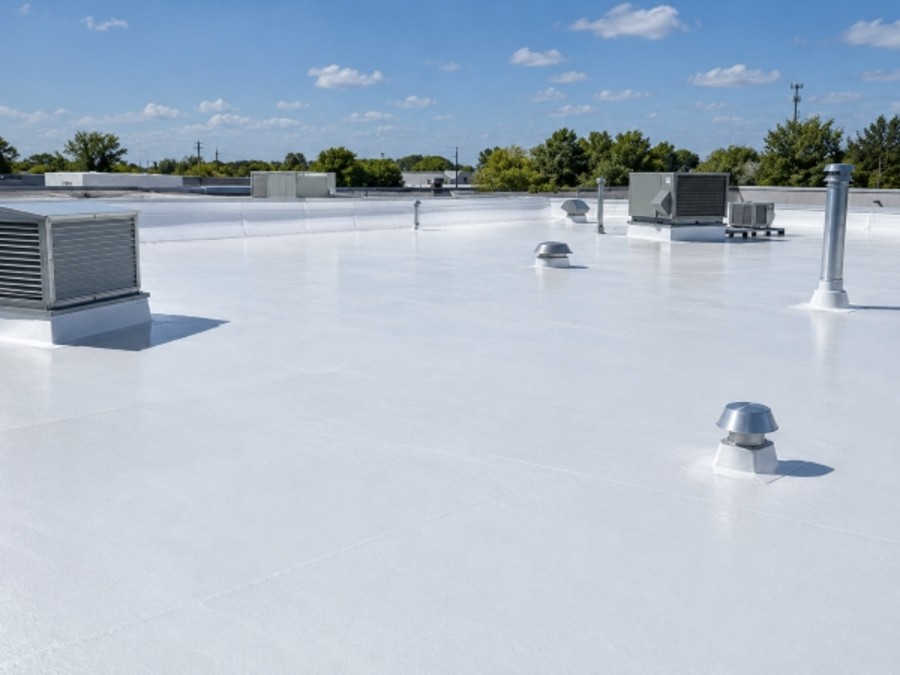
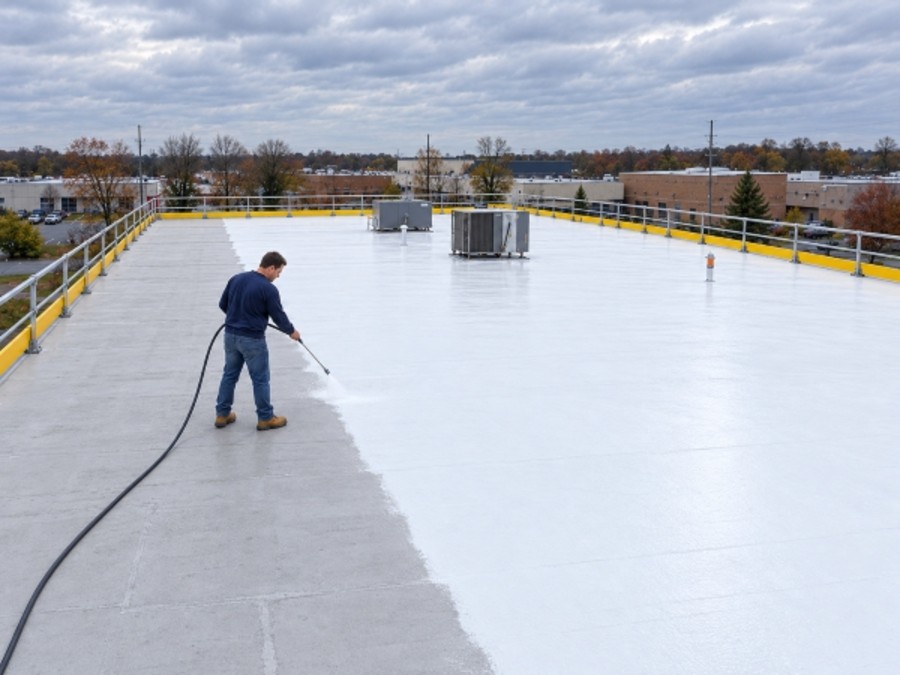
Waterproofing a commercial flat roof means creating and maintaining a continuous weatherproofing assembly, with properly detailed edges and penetrations and drainage that moves water to the intended outlets. For a King of Prussia building with an aging low-slope roof, possible restoration approaches include a spray foam and coating system, a liquid-applied coating over a suitable existing roof, or reinforced liquid-applied work at seams and flashings. Which approach fits depends on the existing roof, substrate, moisture condition, drainage, compatibility, and the extent and location of documented defects.
Oak Grove Roofing installs spray foam roofing, acrylic and silicone coatings, and general commercial roofing systems, and serves King of Prussia, Pennsylvania and the surrounding region. The company has more than 20 years of experience and is fully insured and bonded.
Why Flat Roofs Need a Different Waterproofing Approach
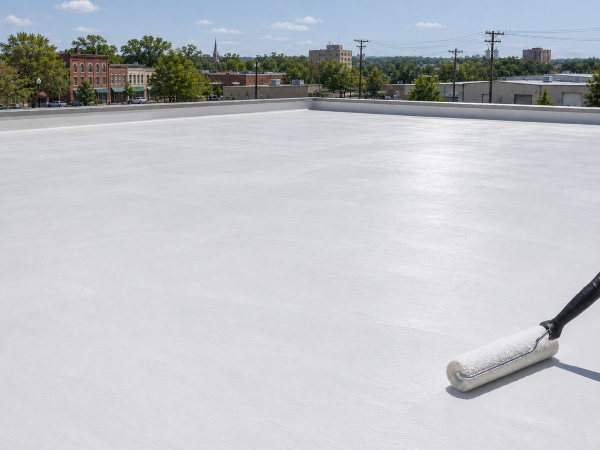
A steep roof sheds water more directly by slope. A flat or low-slope roof depends heavily on its membrane, seams, flashings, transitions and drainage, so small defects can become important. Recurring standing water can expose weaknesses in seams, sealant joints, flashings and drainage details, while rooftop units, vents and drains add transitions that require careful detailing. That is why the waterproofing plan starts with the details and the drainage, not just the field of the roof.
- Seams and laps. Joints in the membrane move with temperature and can open over time.
- Flashings and parapets. Terminations at walls and edges are under constant stress.
- Penetrations. Pipes, conduit, curbs, and equipment supports each need a sound seal.
- Drains and low spots. Restricted drains and recurring ponding can indicate drainage conditions that should be evaluated separately from the waterproofing surface.
Spray Foam and Coating Systems
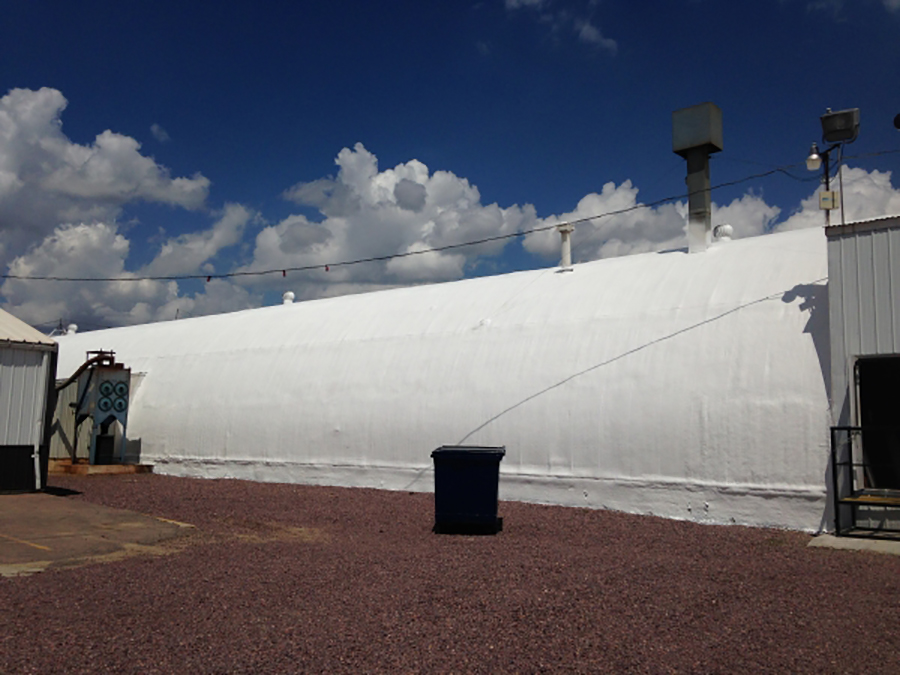
Sprayed polyurethane foam is applied in place and expands into a continuous layer across the roof field, with transitions and details completed as part of the overall system. The foam is then covered with a protective coating, because the coating is what shields the foam from sunlight and weather. Foam can add insulation value, which may be relevant when the project includes both weatherproofing and thermal-performance goals. The foam and coating roof system page explains how the foam and coating layers work together.
Foam requires a prepared substrate that meets the selected system’s moisture, adhesion and compatibility requirements. Suspected concealed moisture should be evaluated before the restoration scope is finalized. Wind and rain also affect scheduling, since foam needs suitable conditions while it is sprayed and cured. A foam roof should be inspected and maintained according to the installed system, with the protective coating renewed when condition and system requirements call for it.
Liquid-Applied Coatings Over an Existing Roof
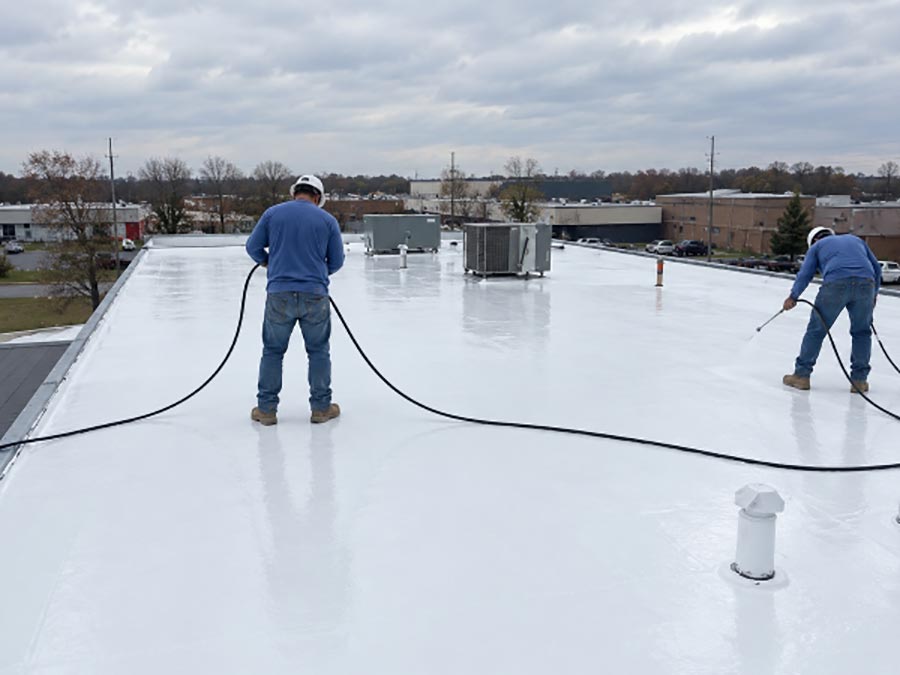
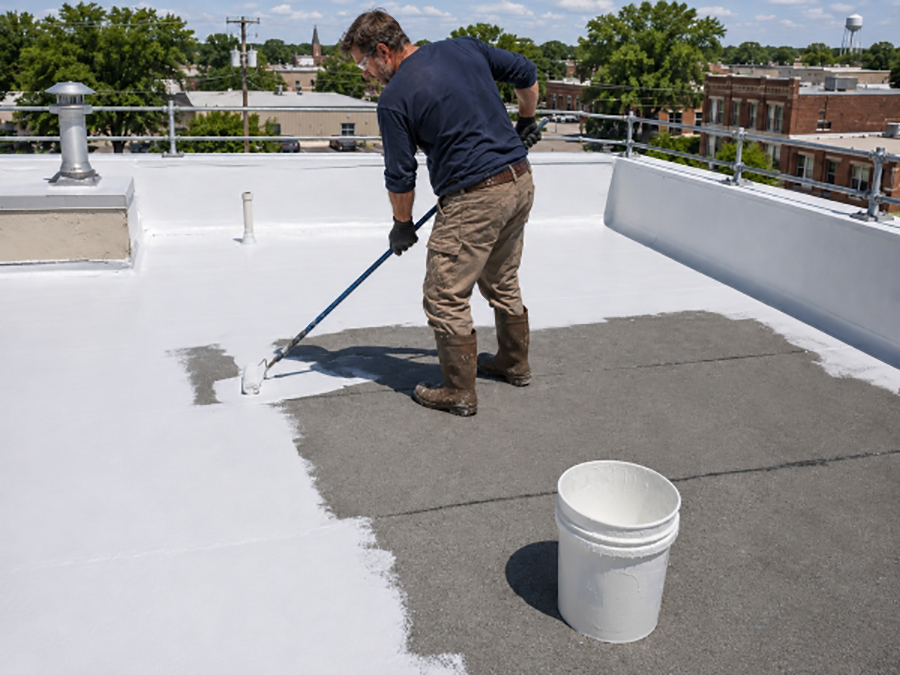
When moisture, adhesion, substrate, drainage and compatibility conditions support restoration, a liquid-applied coating may renew the roof surface without a full tear-off. The coating cures into a continuous surface over the prepared roof, while seams, punctures, flashings and other known defects are addressed as required before application. Acrylic and silicone are two coating families Oak Grove Roofing offers, but the choice depends on the selected system and existing roof conditions:
- Acrylic. Acrylic systems can provide a reflective surface and should be used where substrate, drainage, application and product requirements support them.
- Silicone. Silicone systems have different moisture and weathering characteristics from acrylic systems, but recurring ponding still requires separate drainage evaluation rather than assuming the coating corrects the cause.
The right choice depends on drainage and on what the coating has to bond to. The membrane roof coating service describes this approach to extending an existing membrane roof.
Fabric-Reinforced Systems for Seams and Details
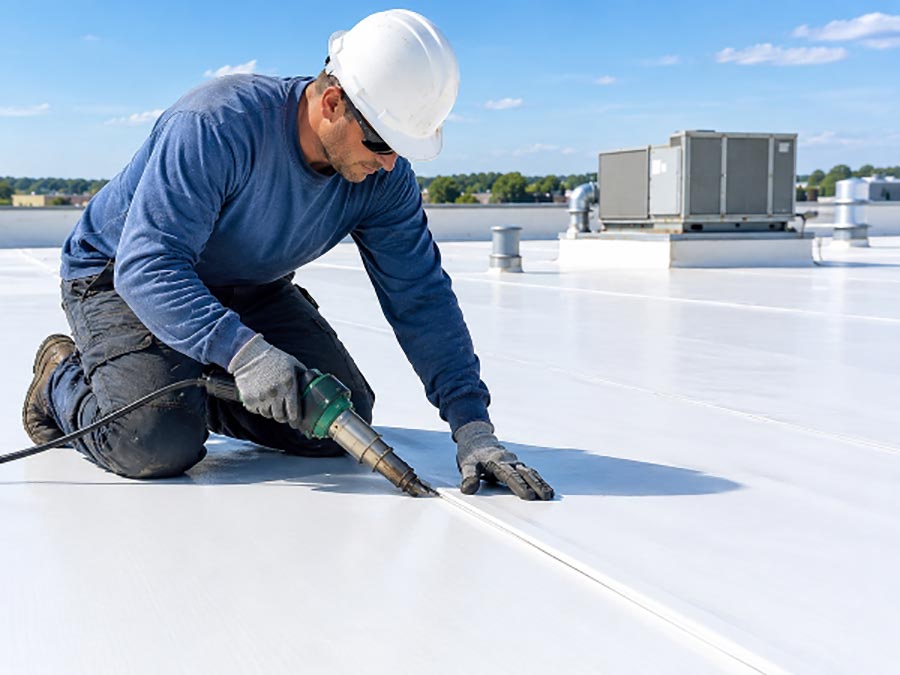
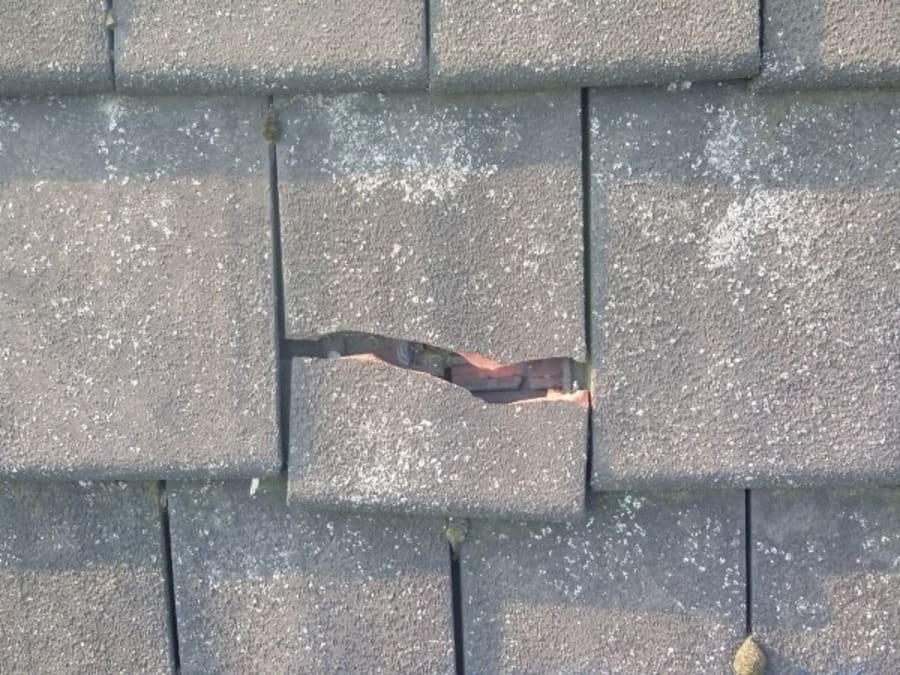
Seams, corners, penetrations and transitions can experience movement and concentrated stress, so some details may require reinforcement rather than coating alone. A fabric-reinforced liquid system embeds reinforcement in the coating at these points so the repair can tolerate movement. Reinforced liquid-applied work may be considered where the detail condition, movement and compatibility support that repair approach. The fabric-reinforced roofing system page shows how reinforcement and a protective coating combine into one layer.
Choosing Between the Options
These questions usually decide the approach:
- Is there evidence of concealed moisture that requires further evaluation before restoration?
- Is the existing membrane well adhered, or is it failing across large areas?
- Do leaks come from a few details, or from widespread surface wear?
- Does water pond, and does the drainage condition require separate correction or redesign?
- Is added insulation a goal, or only waterproofing?
A roof with localized detail defects may support reinforced repairs. A weathered roof may be a coating candidate when moisture, adhesion, substrate, drainage and compatibility conditions are suitable. A project that includes insulation goals may justify evaluating spray foam. A roof with broad moisture involvement, deteriorated substrate or widespread failure may require replacement or another larger scope before restoration is considered. A written roof evaluation with photographs and documented limitations can help distinguish these options, and the roof inspection and evaluation service documents the roof’s condition.
King of Prussia Conditions
King of Prussia roofs can face summer heat and humidity, winter freezing conditions, repeated temperature changes and heavy rain events. Those conditions can expose weaknesses in seams, flashings, coatings and drainage over time. Commercial roofs may include rooftop equipment, drains, curbs, penetrations and parapet details, each of which should be included in the waterproofing assessment when present. For occupied buildings, access, staging, safety, weather protection and operational constraints should be coordinated as part of the project plan.
Frequently Asked Questions
What is the difference between waterproofing a flat roof and repairing it?
Repair addresses a specific defect. Waterproofing or restoration addresses a broader weatherproofing surface or system after known defects and unsuitable conditions are addressed.
Can a flat roof be waterproofed without removing the old roof?
Sometimes. Recover or restoration suitability depends on moisture, substrate condition, adhesion, compatibility, drainage, code and the selected system requirements.
Does spray foam waterproof a roof on its own?
Foam forms the insulating and weatherproofing layer, while the protective coating shields it from UV and weather exposure; both parts of the installed system require appropriate maintenance.
Can waterproofing work be done while the building is in use?
Often, but it depends on the building, access, safety requirements, equipment coordination, noise, staging and whether any roof sections must be opened during the work.