Lancaster, PA experiences a full range of seasonal weather that affects commercial roofing systems throughout the year. Winter freeze and thaw cycles, heavy spring rains, summer heat, and falling leaves in autumn all create conditions that can impact flat and low slope roofs. Scheduling commercial roof inspections during the right time of the year will help building owners understand their roof’s condition before seasonal weather creates larger problems.
For related commercial roofing guidance in Lancaster, see Flat roof sealing in Lancaster and Roof restoration in Lancaster.
Call Oak Grove Roofing at (717) 945-9939 for commercial roof inspections in Lancaster, PA.
Seasonal Commercial Roof Inspections
Commercial roof inspections help identify developing issues before they become costly repairs. Scheduling inspections at the right time is key to effective roof management.
Spring Commercial Roof Inspections Reveal Winter Damage
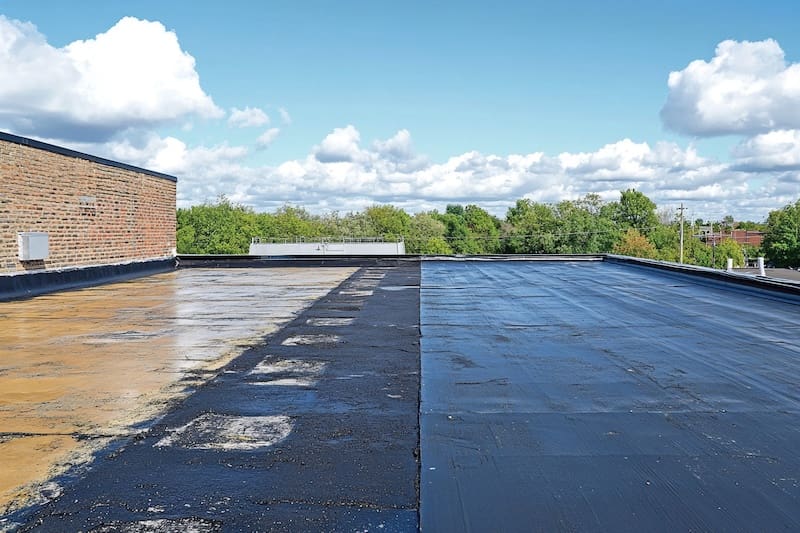
Spring is one of the most valuable times to schedule commercial roof inspections in Lancaster. During the winter, roofing materials expand and contract repeatedly as temperatures move above and below freezing. This constant movement places stress on seams, flashing, membrane edges, and rooftop penetrations.
A professional inspection after winter focuses on identifying signs of freeze and thaw damage before the spring rains arrive. Inspectors carefully examine membrane seams for separation, flashing around walls and rooftop equipment for movement, and drainage systems for debris left behind after winter storms.
Spring inspections also help to identify membrane punctures, surface cracking, or blistering that may have developed during colder months. Catching these conditions early will allow building owners to understand the roof’s current condition and plan appropriate maintenance before additional weather exposure affects the roofing system.
Fall Commercial Roof Inspections Prepare Roofs for Winter
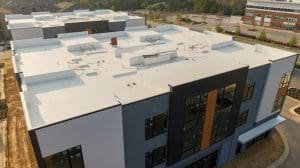 After months of summer sunshine, heavy rain, and fluctuating temperatures, commercial roofs benefit from another detailed inspection before winter returns. Fall inspections focus on preparing the roofing system for freezing temperatures and snow accumulation.
Ultraviolet exposure gradually ages roofing materials throughout the summer. Inspectors evaluate membrane surfaces, sealants, and protective coatings for signs of weathering while checking areas where standing water may have affected the roof after seasonal storms.
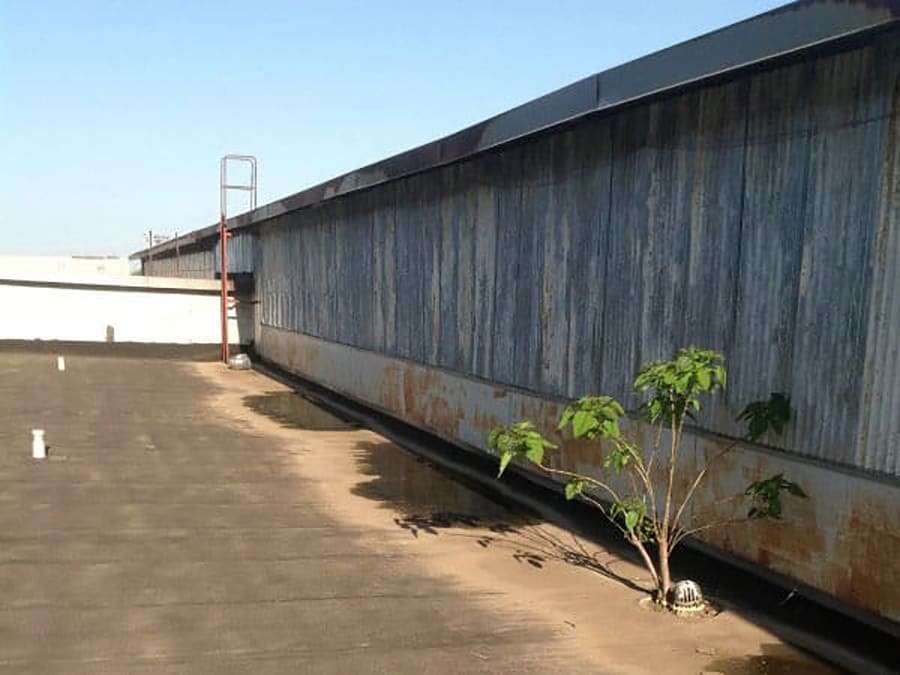
Drainage systems also receive careful attention during fall inspections. Leaves, dirt, and other debris can block drains and scuppers, allowing water to remain on flat roofs. Clearing these drainage pathways before winter helps melting snow move away from the building instead of creating ponding water or ice buildup.
By completing a fall inspection, property owners enter the winter season with a clearer understanding of their roof’s condition and any areas that may require attention.
What Happens During Commercial Roof Inspections?
Commercial roof inspections follow a systematic process that evaluates every major component of the roofing system. The goal is to provide building owners with accurate information rather than simply looking for obvious damage.
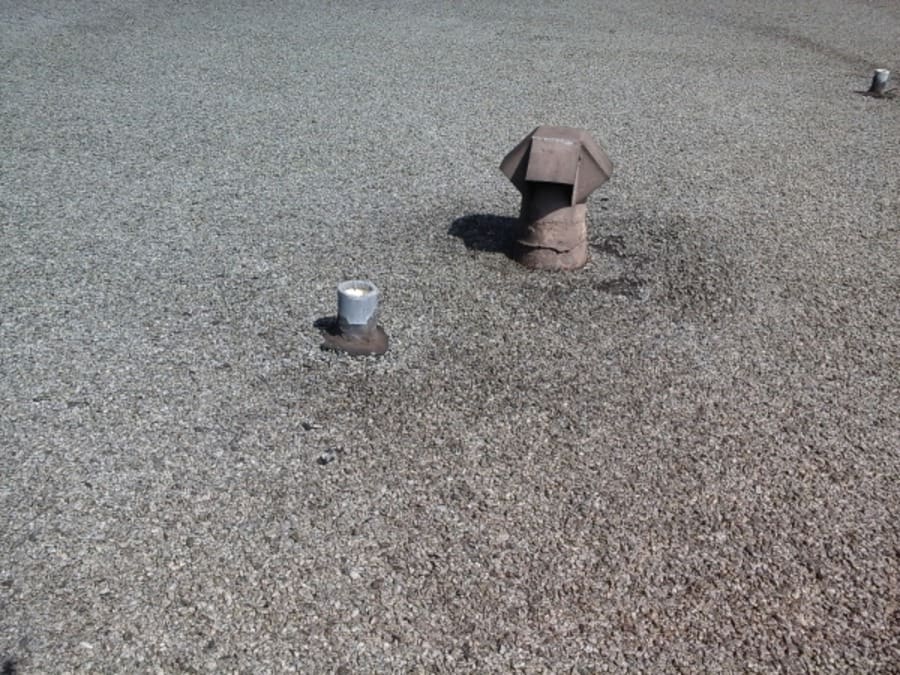
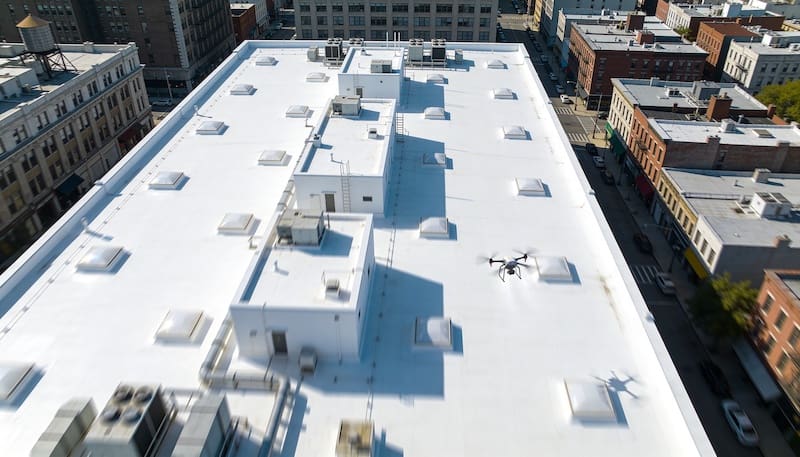
Inspectors examine the roof membrane, flashing, drainage systems, seams, rooftop penetrations, curbs, parapet walls, and areas surrounding mechanical equipment. They also look for evidence of ponding water, membrane movement, loose materials, and previous repairs that may require monitoring.
Throughout the inspection, observations are documented with notes and photographs. Building owners typically receive a report outlining the roof’s condition, areas that should continue to be monitored, and any maintenance recommendations. This documentation provides a valuable record for future maintenance planning and helps property managers track changes over time.
Why Routine Commercial Roof Inspections Matter in Lancaster
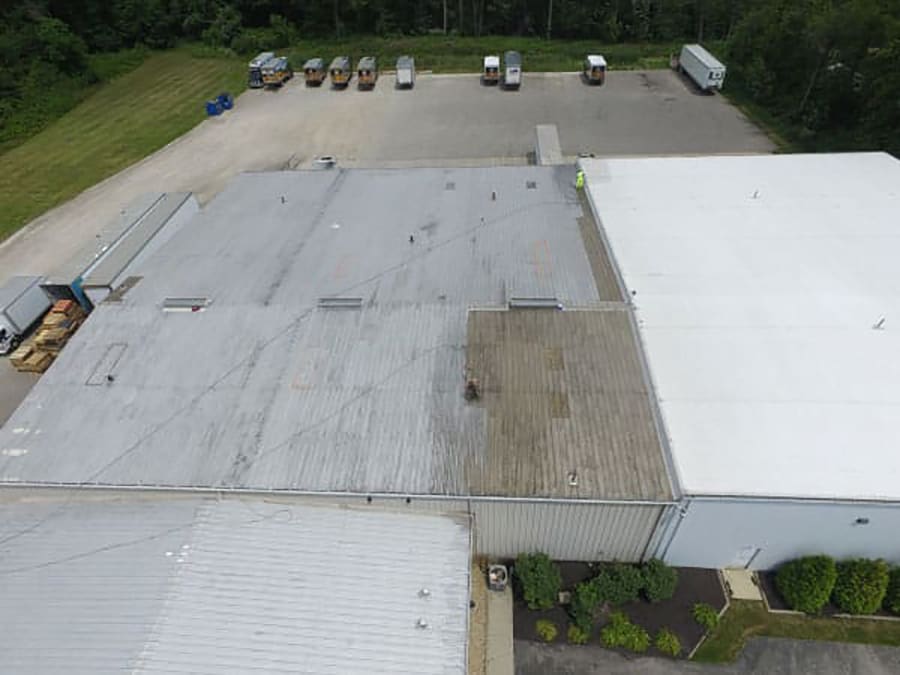
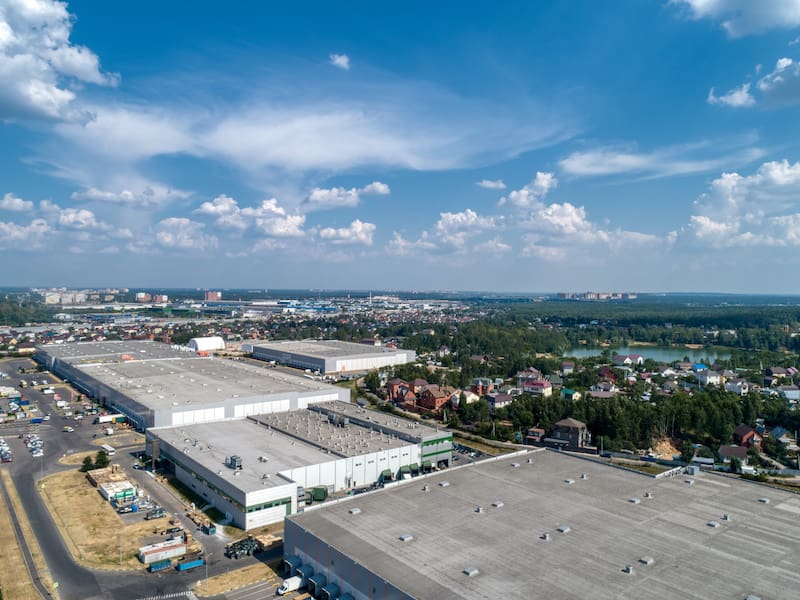
Lancaster’s commercial buildings include warehouses, agricultural facilities, retail centers, and office buildings that rely on flat and low slope roofing systems. These roofs experience different weather conditions throughout every season, making routine inspections an important part of long-term roof management.
Whether the roof uses EPDM, modified bitumen, spray foam, or a roof coating system, routine inspections help verify that seams, flashing, drainage components, and waterproofing materials continue performing as intended.
Scheduling inspections twice each year can help building owners to evaluate the roof after winter weather and prepare it before another cold season begins. This seasonal approach provides valuable information while supporting consistent maintenance throughout the roof’s service life.
Thorough Commercial Roof Inspections
Routine inspections give commercial property owners the information needed to understand their roofing system and plan maintenance with confidence. Seasonal evaluations help identify developing conditions while supporting the long-term performance of commercial roofs throughout Lancaster.
For commercial roof inspections in Lancaster, PA, contact Oak Grove Roofing at (717) 945-9939 today.
FAQ
How often should a commercial roof be inspected in Lancaster, PA?
Most commercial roofs should be professionally inspected twice each year, once during the spring after winter weather and again in the fall before freezing temperatures return. Additional inspections may also be appropriate following severe storms.
What does a commercial roof inspector look for during a spring inspection?
Spring inspections focus on seam separation, flashing movement, membrane damage, blocked drains, blistering, and any conditions caused by repeated freeze and thaw cycles during the winter months.
Can a commercial roof inspection be completed without disrupting building operations?
Yes. Commercial roof inspections are noninvasive and can usually be completed while the building remains occupied. Inspectors evaluate the roof surface and related components without interrupting normal business activities.