Foam Roofing for Commercial Buildings in Aberdeen, MD
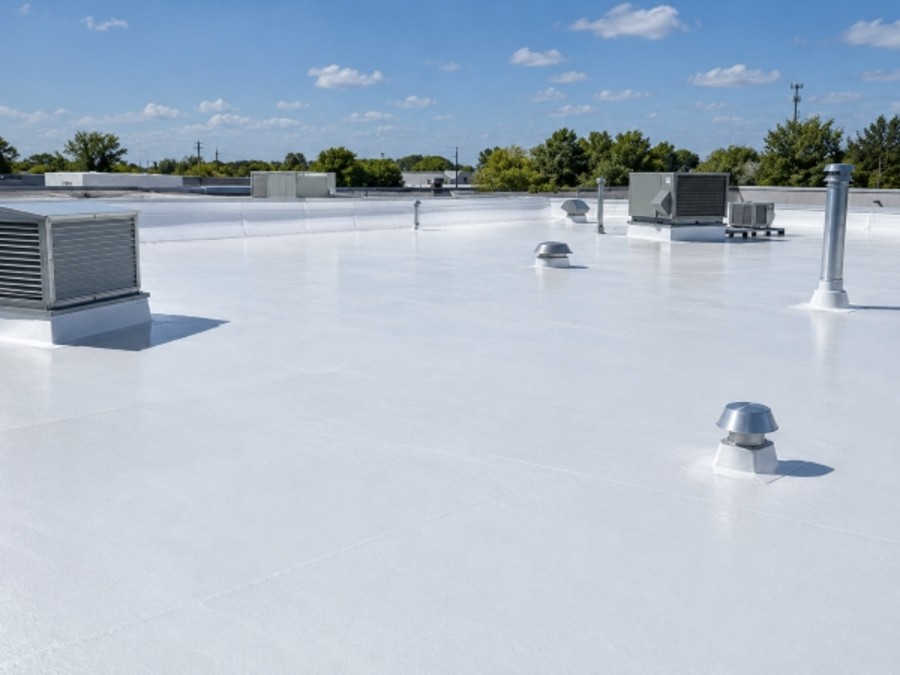
Foam roofing is a sprayed polyurethane foam system that expands and cures in place, then receives a compatible protective coating over the foam. For an Aberdeen commercial building with a flat or low-slope roof, it can create a continuous weatherproofing and insulation layer when the existing roof, substrate, moisture condition, drainage and project requirements support that assembly. Suitability depends on the existing roof, substrate, concealed moisture, drainage, adhesion, access and the building’s use.
Oak Grove Roofing installs spray foam roofing and coating systems for commercial properties and serves Aberdeen, Maryland and the surrounding region. The company has more than 20 years of experience and is fully insured and bonded.
How a Foam Roof Is Built
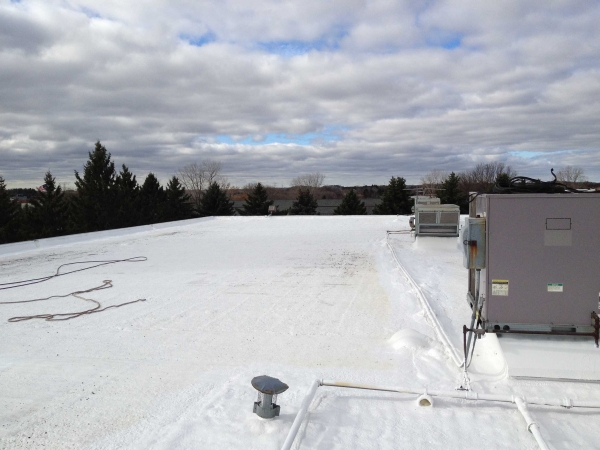
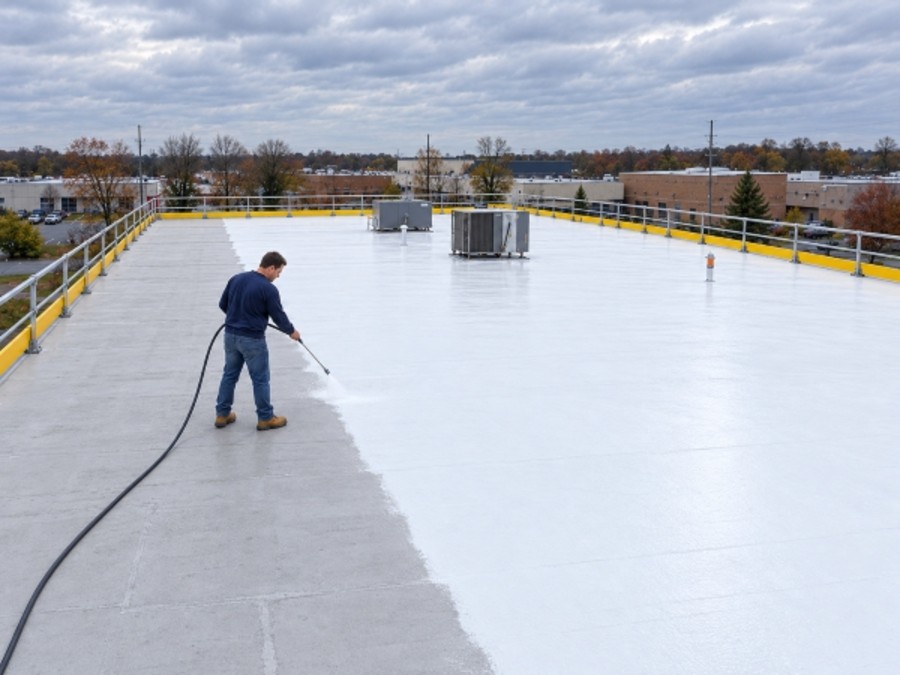
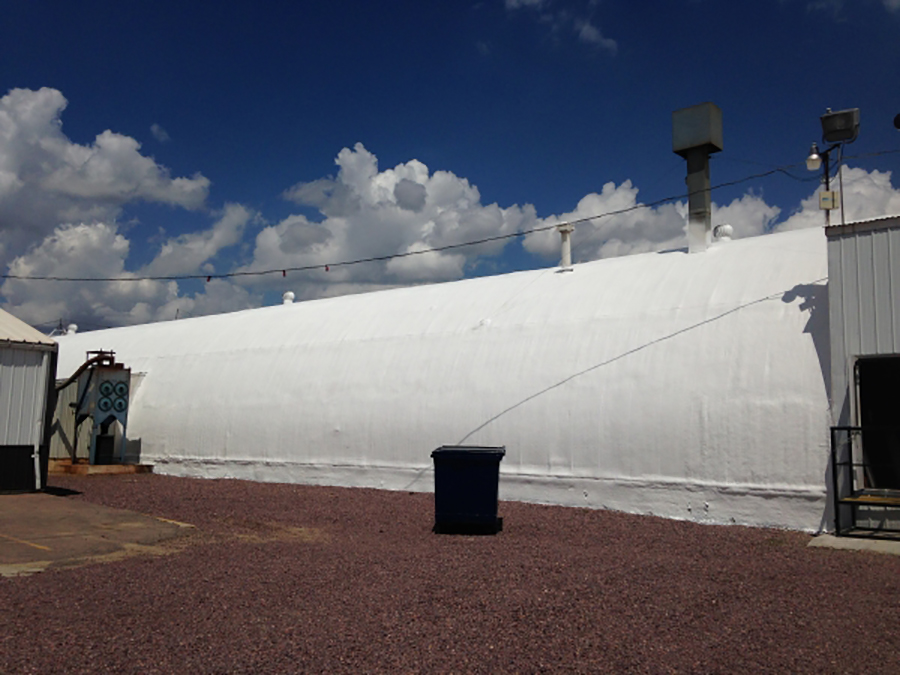
A foam roof is a layered system. The foam forms the sprayed insulation and roof surface, while the protective coating shields the foam from UV exposure and weather. The usual sequence is:
- Evaluation and preparation. The existing roof is assessed and prepared so the substrate meets the selected system’s moisture, adhesion and compatibility requirements.
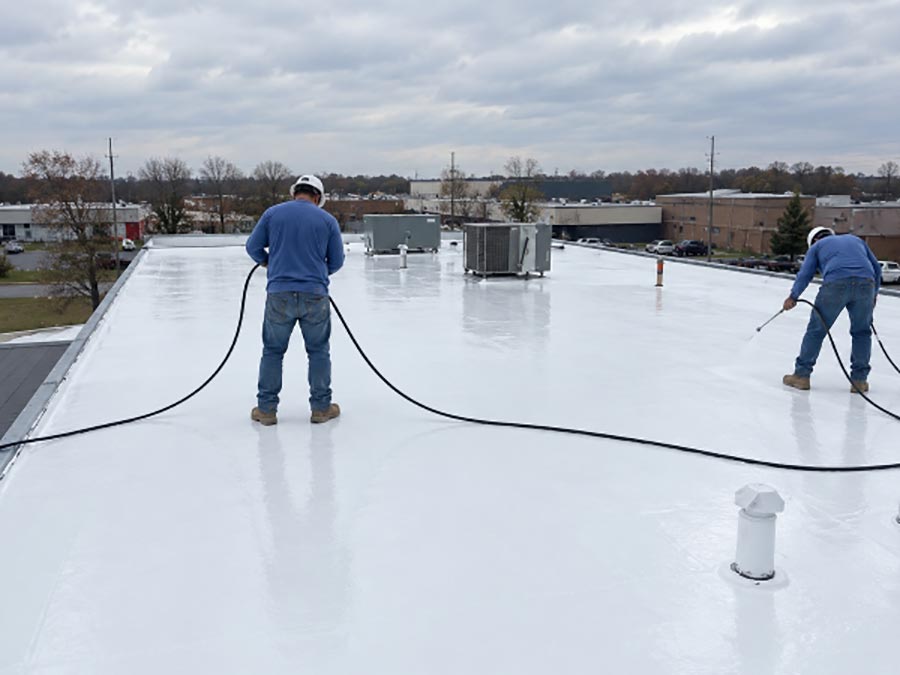
- Foam application. The foam is sprayed in passes to build the designed thickness. It expands as it cures and can conform around curbs, vents and other roof details, while those transitions still require proper detailing.
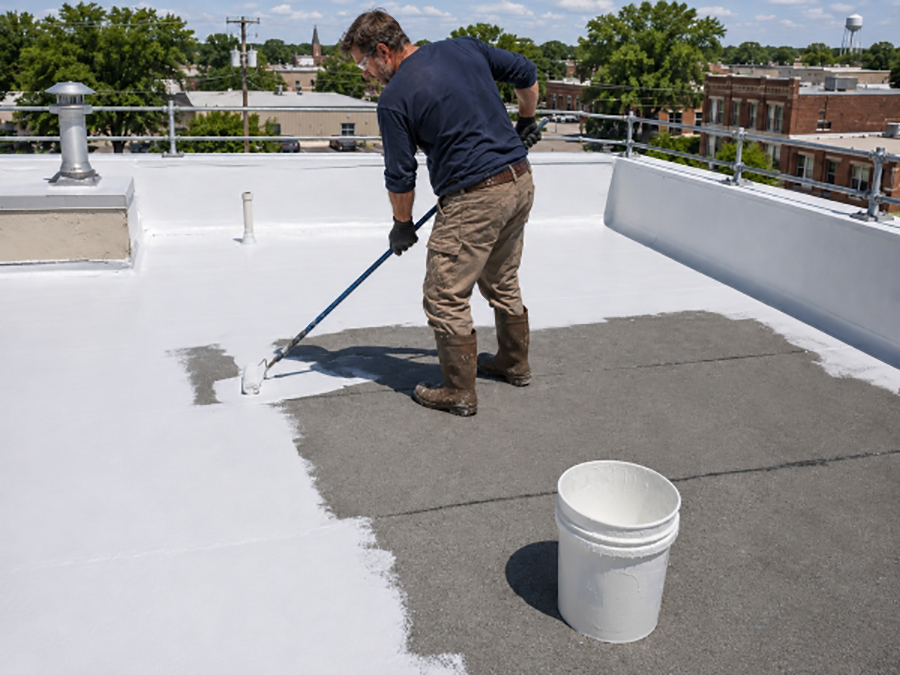
- Protective coating. A coating is applied over the cured foam to shield it from UV exposure and weather and to give the roof its finished surface.
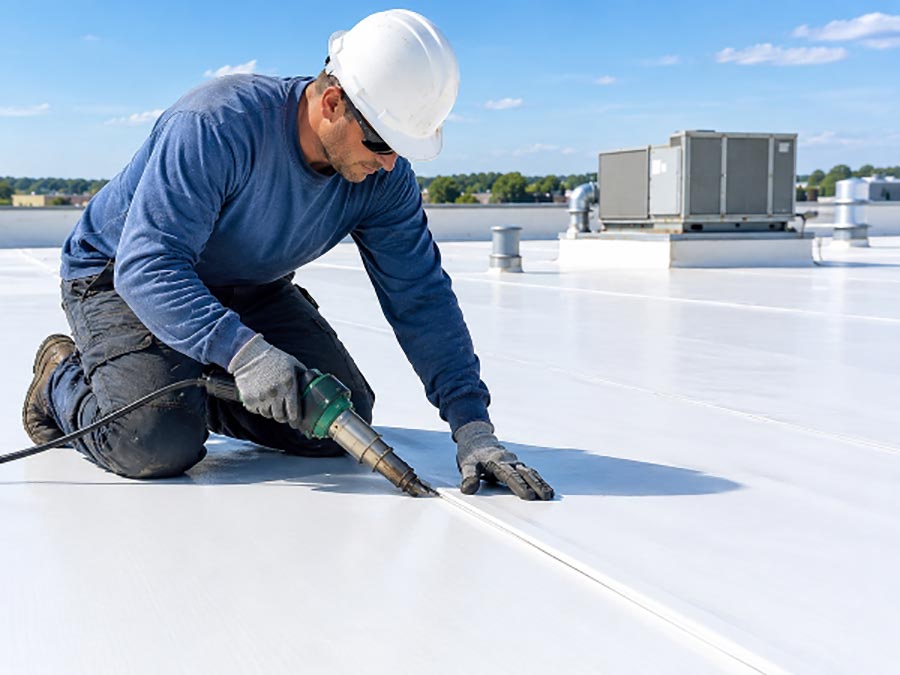
- Detailing. Edges, flashings, penetrations and drain areas are detailed as required by the roof design and selected system.
The foam and coating roof system page describes how those two layers work together on Oak Grove Roofing projects.
What Makes a Roof a Good Foam Candidate
Foam is considered only after several roof and project conditions are checked:
- Dry insulation and deck. Suspected wet materials should be evaluated before the restoration scope is finalized, and unsuitable wet or deteriorated materials may need removal or repair.
- A suitable existing surface. Some existing roof types may support a foam restoration assembly when substrate, adhesion, moisture, code and system requirements are satisfied.
- Complicated rooftops. Roofs with many penetrations or irregular geometry may be considered for foam because the sprayed material can conform to the surface, but detailing and access still affect suitability.
- Drainage. Foam thickness can sometimes be designed to improve local drainage, but recurring ponding, drain placement and structural slope still require separate evaluation.
- Insulation goals. If added thermal performance is part of the project goal, foam can contribute insulation as part of the roof assembly.
A written evaluation with photos is the practical way to confirm these points. The roof inspection and evaluation service documents the roof’s condition so the decision rests on what is actually on the roof.
Installation Conditions and Scheduling
Foam application depends on substrate condition and weather. Surface moisture, temperature, wind, precipitation and cure requirements can all limit when spraying is appropriate. Overspray control should be part of the site plan when nearby vehicles, equipment, façades or adjacent properties could be affected. For an occupied building, access, staging, ventilation or air-intake concerns, noise, overspray control and rooftop equipment coordination should be addressed before work begins. A realistic schedule leaves room for weather delays instead of promising a set finish date.
Foam Roofing Compared With Other Options
Foam is not the only way to restore or replace a commercial flat roof, and it helps to see where it fits. A liquid-applied coating may restore a suitable existing membrane without adding the same sprayed-foam insulation layer. A full re-roof may be appropriate when moisture, substrate deterioration or widespread roof failure makes restoration unsuitable. Foam is another restoration or reroofing option when the existing conditions support the assembly and insulation is part of the project need. The roof installation and re-roofing page covers the replacement side for roofs that cannot be restored.
Caring for a Foam Roof
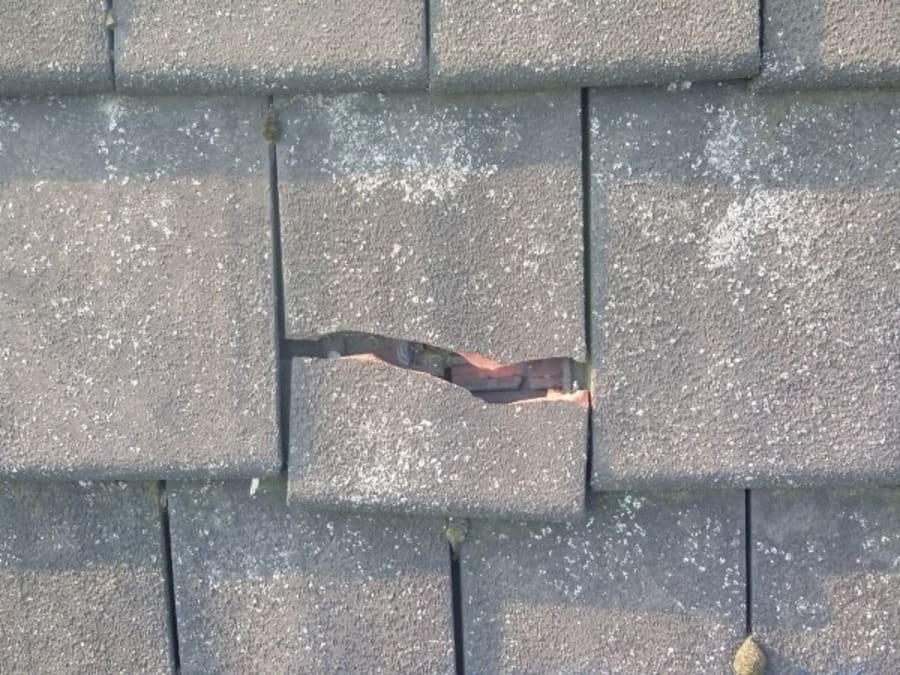
A foam roof requires ongoing inspection of both the protective coating and the roof details. Inspections should look for punctures, coating wear, open details, drainage restrictions and other conditions that could expose or damage the foam. Damage should be repaired before it progresses, and recoating should follow the installed system’s condition and maintenance requirements. Aberdeen roofs can face summer heat and humidity, freezing conditions and storms, so severe-weather events can justify an additional condition check when the roof may have been affected. Rooftop traffic should be managed so service activity does not unnecessarily damage the coating or foam surface.
Frequently Asked Questions
Can foam be installed over an existing commercial roof?
Sometimes. Recover suitability depends on the existing roof, moisture condition, substrate, adhesion, code and the selected foam system’s requirements.
Why does a foam roof need a coating?
The coating protects the foam from sunlight and weather. Without it, the foam would deteriorate, so the two layers are installed and maintained together.
Does foam roofing add insulation?
Yes. Spray polyurethane foam contributes insulation as part of the roof assembly, though the project’s overall thermal performance depends on the complete design.
Can the building stay open during installation?
Often, but continued occupancy depends on the building, access, air intakes, overspray controls, noise, rooftop equipment coordination and the specific work scope.