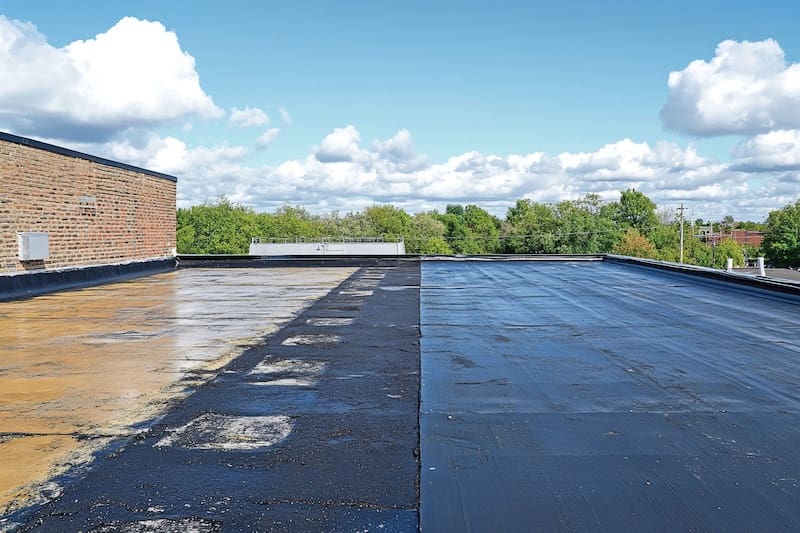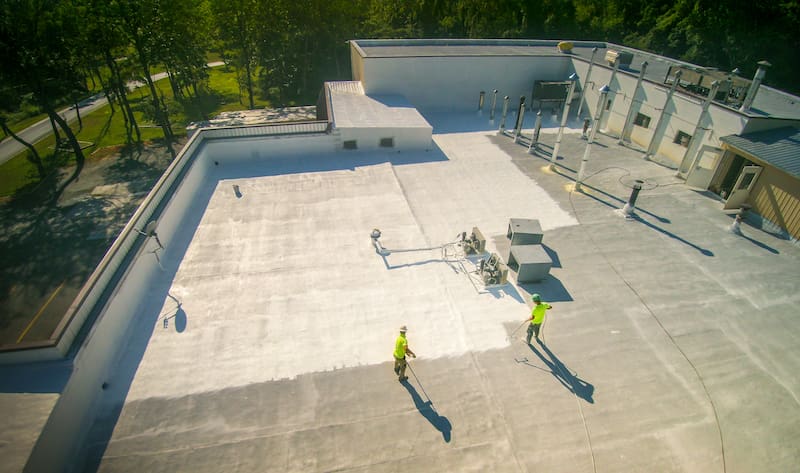
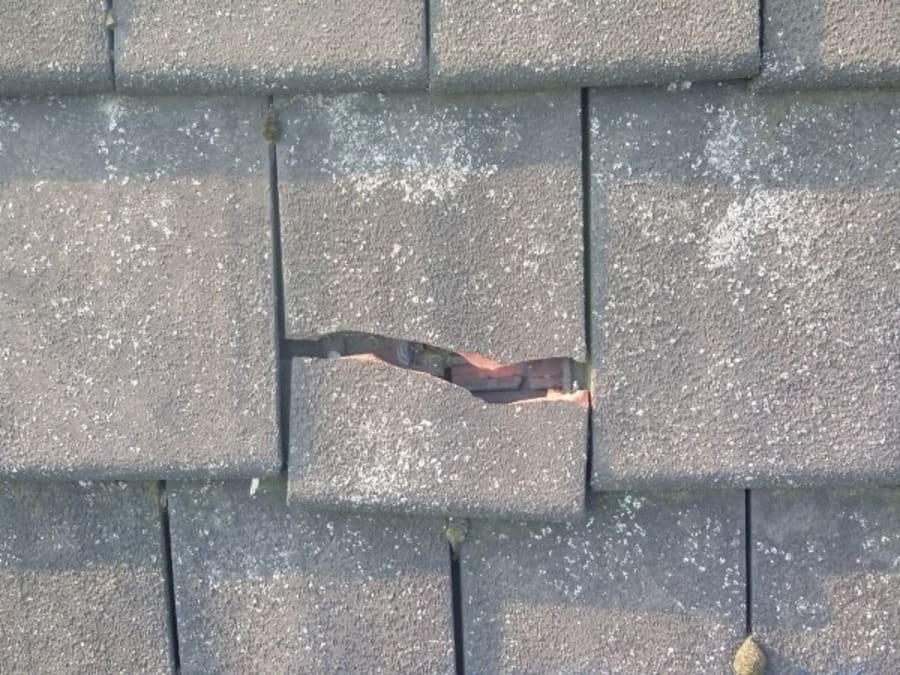
Roof maintenance for a Reading, PA commercial property should be built around the roof’s actual condition, not a fixed calendar alone. Drainage, seams, flashing, penetrations, prior repairs, rooftop traffic, debris, and weather exposure all affect what should be checked and how often follow-up is needed.
Oak Grove Roofing provides general commercial roofing services in Reading and throughout its approved service area. The company has more than 20 years of experience, is fully insured and bonded, and is led by founder and CEO Isaac “Ike” Stoltzfus, a certified roofing professional. A useful maintenance program should document current conditions, address small defects before they spread, and make clear when repair or further investigation is needed.
Start With a Condition Baseline
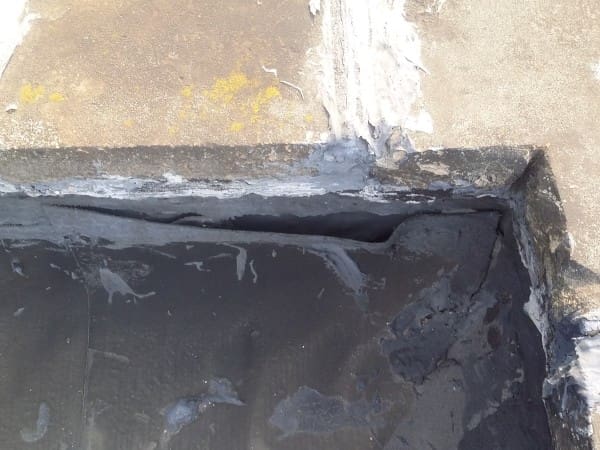
A maintenance plan is more useful when it starts with a professional evaluation of the current roof. The contractor should review the roof surface, seams, flashing, penetrations, drainage, roof edges, previous repairs, and any areas where leakage or water accumulation has been reported.
That baseline helps separate routine upkeep from existing defects that already need repair. It also gives the property owner a reference point for future inspections so changes in the roof can be compared over time instead of relying only on memory.
Drainage Should Be Part of Every Maintenance Plan
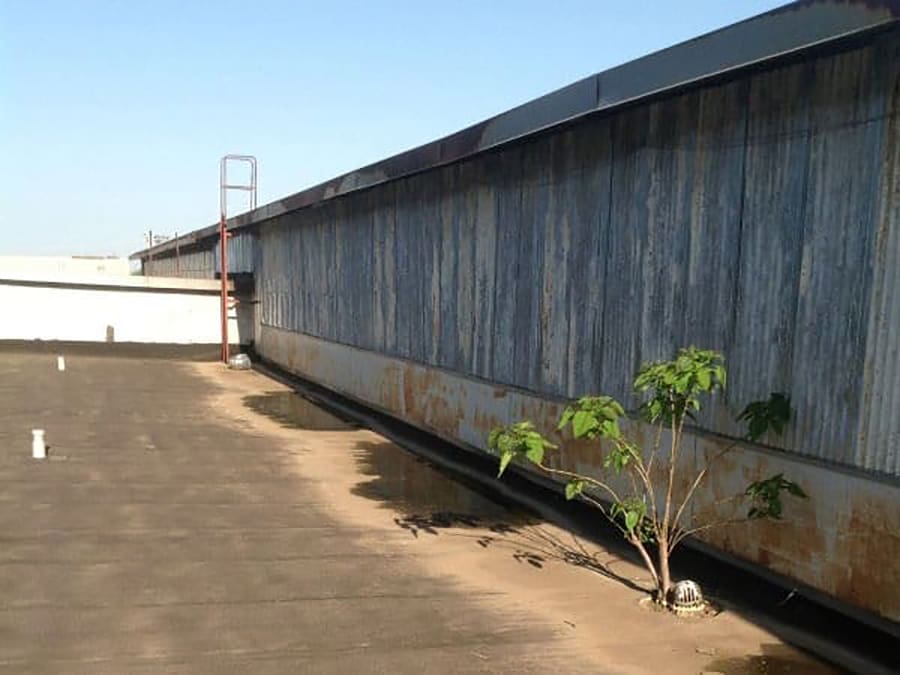
Drains, scuppers, gutters, and downspouts should be kept clear enough to move water as intended. Debris, blocked outlets, low areas, or other drainage conditions can contribute to standing water and should be documented when they are found.
Maintenance should not treat every drainage concern as a simple cleaning issue. If water continues to collect after debris is removed, the roof slope, outlet configuration, settlement, or another building condition may need further evaluation.
Watch Seams, Flashing, and Penetrations
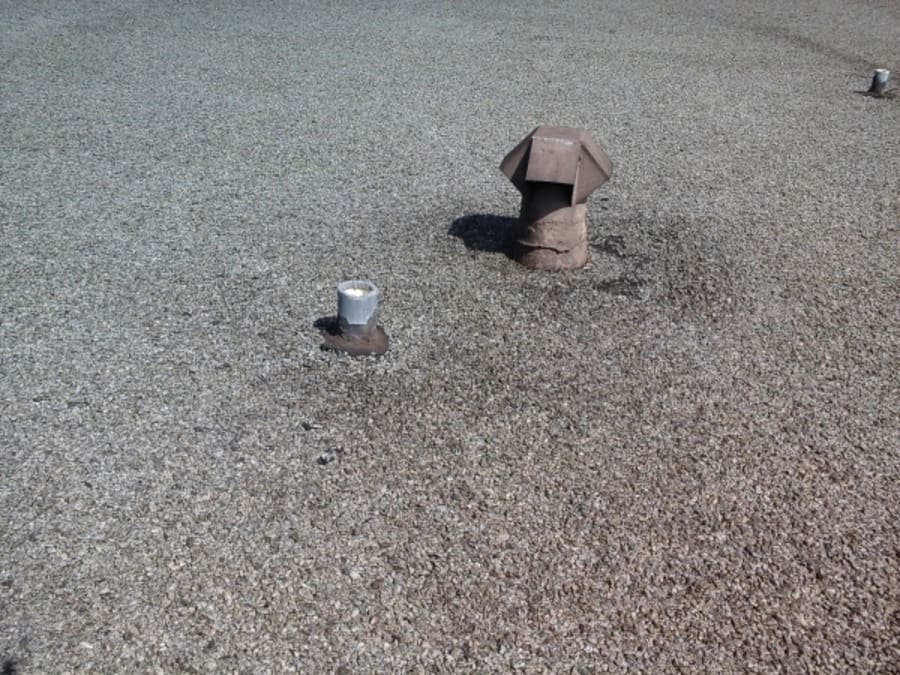
Seams, flashing, roof edges, curbs, vents, pipes, and equipment supports are common places to look for movement, open details, surface wear, or damage. The appropriate repair method depends on the existing roof system and the specific defect found.
A maintenance visit should identify whether a condition can be handled with routine service or whether it points to a larger repair. Repeated problems in the same area deserve closer attention rather than another temporary patch without understanding why the issue keeps returning.
Rooftop Activity Can Change Maintenance Needs
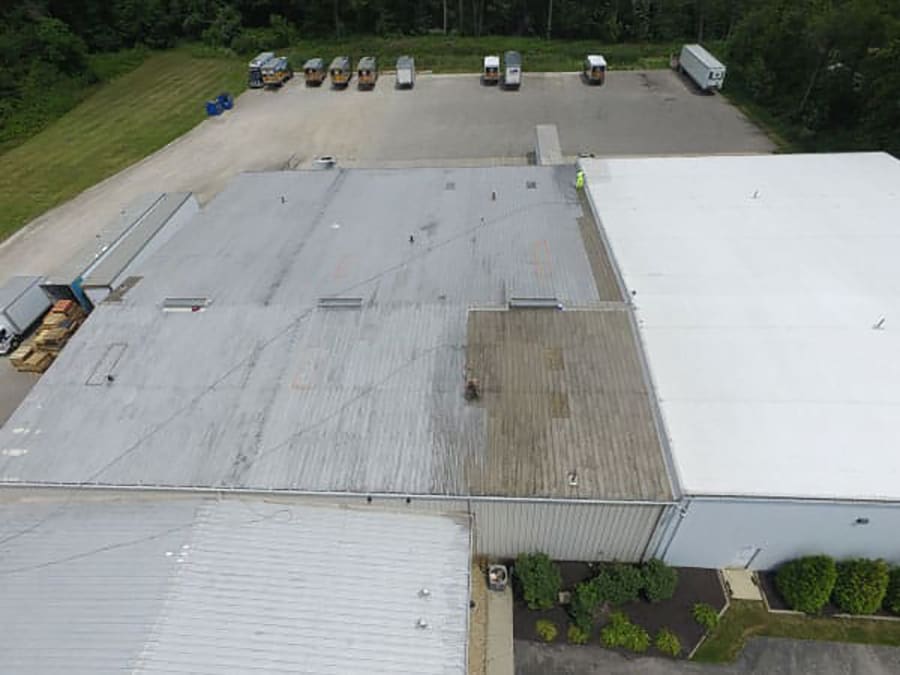
Commercial roofs with HVAC units, exhaust equipment, antennas, solar equipment, or other regularly serviced systems may see more foot traffic than roofs with limited rooftop access. Traffic around service paths can affect coatings, membranes, flashing, and other details if protection or access planning is poor.
Property managers should keep track of work performed by other trades and note any new penetrations, equipment changes, or visible damage afterward. A maintenance program can then focus attention on the areas where activity is most likely to affect the roof.
Inspection Frequency Should Follow the Building
There is no single schedule that fits every commercial roof. The right frequency depends on the roof system, age, condition, drainage, repair history, rooftop traffic, surrounding debris, weather exposure, and any written maintenance or warranty requirements that apply to the installed system.
Additional evaluation may be appropriate after severe weather, new leaks, equipment installation, visible damage, or a meaningful change in drainage. Seasonal visits can be useful when they fit the building’s maintenance plan, but twice-yearly inspections should not be treated as a universal rule for every property.
Keep Useful Maintenance Records
Documentation helps a property owner track what changed from one visit to the next. Depending on the agreed service, records may include written findings, photographs, repair notes, monitored areas, or recommendations for additional work. Those deliverables should be confirmed in the maintenance scope rather than assumed.
Maintenance records can also support budgeting by showing which items are recurring and which repairs are becoming more frequent. If the owner needs documentation for an insurer, lender, landlord, or another third party, that party’s requirements should be confirmed separately because a roofing contractor cannot guarantee how outside organizations will use a maintenance record.
Know When Maintenance Becomes Repair
Maintenance is intended to preserve a serviceable roof and address manageable conditions. It is not a substitute for repairing active defects or investigating broader moisture, attachment, substrate, or drainage problems.
If a maintenance visit identifies an active leak, damaged roofing, repeated seam failure, deteriorated flashing, or another condition that needs correction, the work should move into a defined repair scope. Oak Grove’s commercial roof repair information provides related context for that next step.
Use Seasonal Checklists as a Guide, Not a Fixed Rule
Seasonal planning can help organize roof care, especially when debris, storms, winter conditions, or rooftop activity create predictable maintenance needs. Oak Grove’s seasonal roof maintenance checklist offers additional ideas for organizing those tasks.
The checklist should still be adapted to the specific building. A roof with frequent equipment servicing, recurring drainage concerns, or a history of repairs may need different attention than a newer roof with limited traffic and no known problem areas.
Roof Maintenance in Reading, PA
Oak Grove Roofing serves Reading within its commercial roofing service area. A practical maintenance program should establish the roof’s current condition, keep drainage paths clear, monitor seams and flashing, account for rooftop activity, document changes, and define when repair or further investigation is needed.
For a Reading-area property owner, the goal is not to follow a generic schedule. It is to maintain a useful record of the roof, respond to changes before they become larger problems, and match the maintenance plan to the actual building and roof system.
Frequently Asked Questions
How often should a commercial roof be inspected as part of maintenance?
The schedule should reflect the roof system, condition, drainage, repair history, rooftop activity, weather exposure, and any written maintenance requirements rather than one fixed interval.
What should a commercial roof maintenance visit include?
A visit may review drainage, seams, flashing, penetrations, roof edges, prior repairs, debris, visible damage, and monitored areas based on the agreed maintenance scope.
Can roof maintenance prevent every leak?
No. Maintenance can help identify and address developing conditions, but hidden damage, severe weather, material failure, or other unexpected problems can still lead to leaks.
When does maintenance become a repair project?
When an active defect, damaged roofing, repeated leakage, moisture concern, drainage problem, or other condition requires corrective work beyond routine upkeep, it should be handled as a defined repair or investigation scope.