Roof Restoration for Commercial Flat Roofs in Elkton, MD
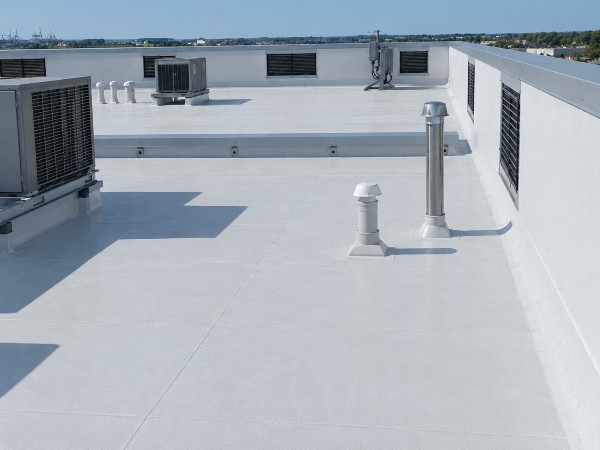
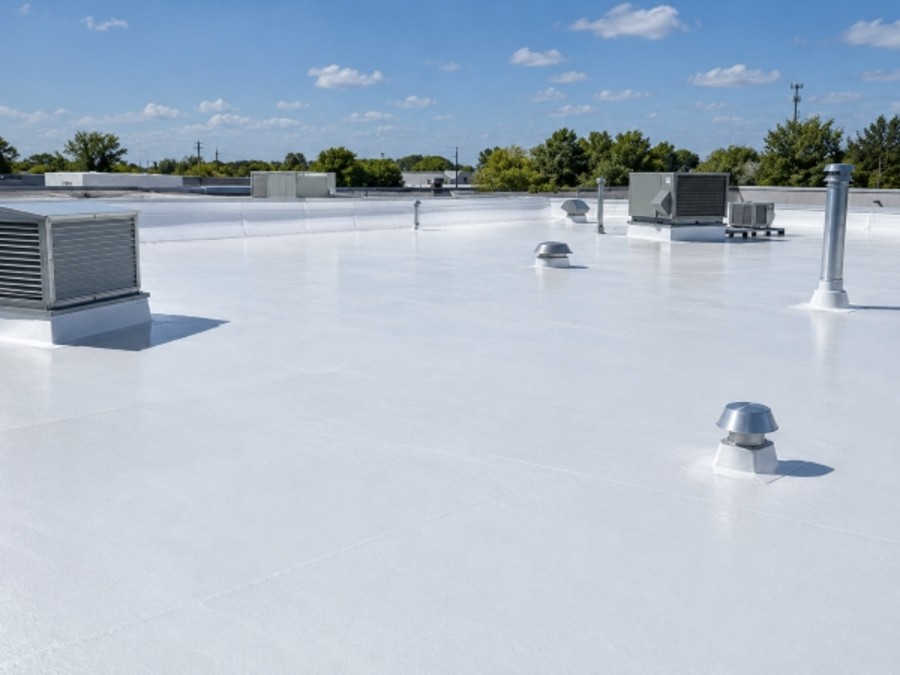
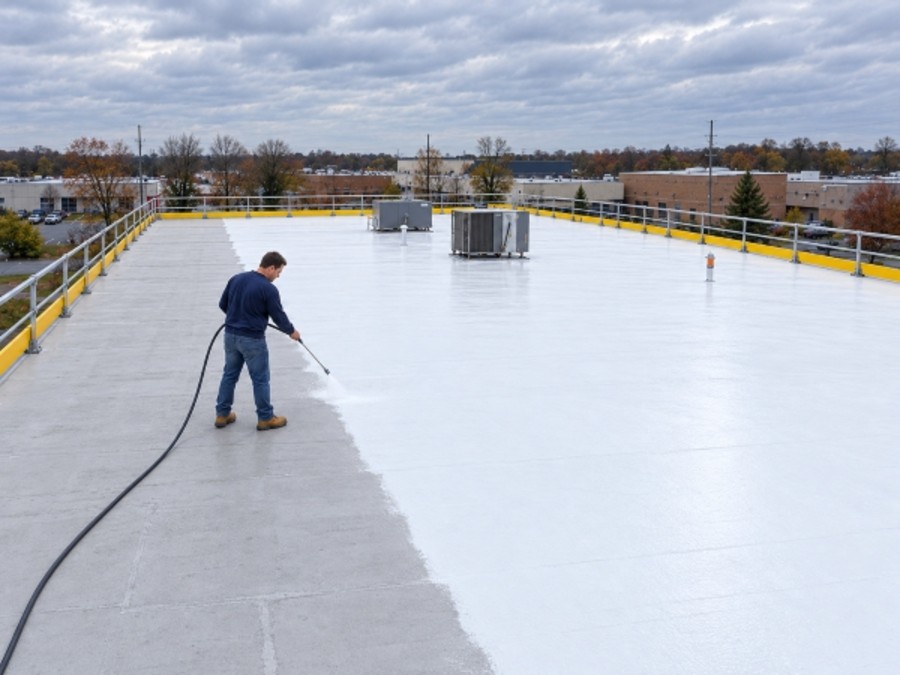
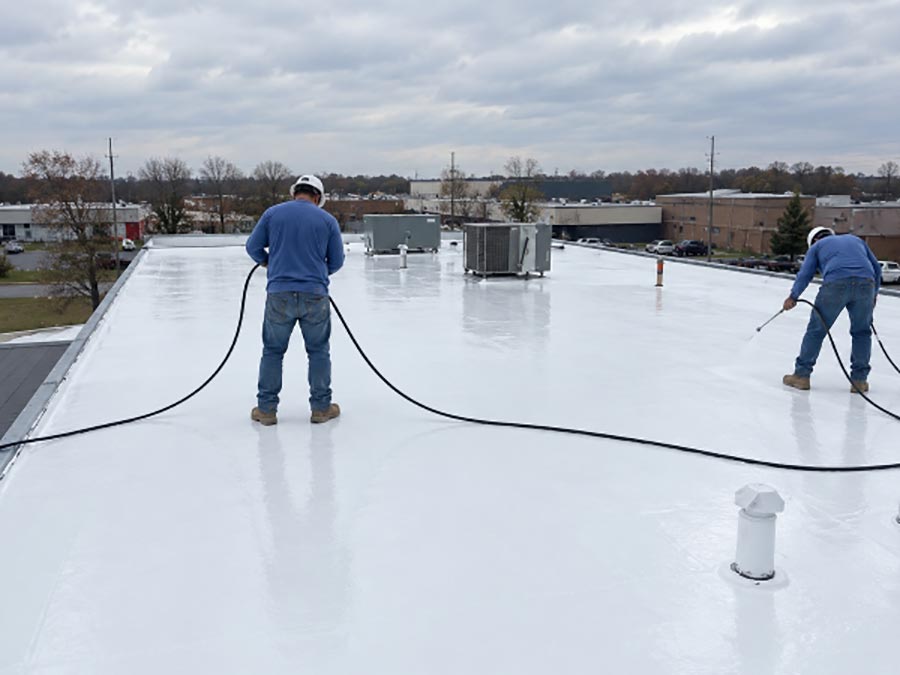
Commercial roof restoration is a broader repair-and-coating scope used on some existing flat or low-slope roofs when the underlying assembly remains suitable for restoration. For an Elkton building, the decision depends on moisture, adhesion, drainage, substrate condition, existing details, and compatibility with the selected coating system. Restoration can avoid a full tear-off in appropriate conditions, but it is not a substitute for replacing wet, deteriorated, or structurally unsound components.
Oak Grove Roofing provides acrylic and silicone coatings and restoration systems for commercial properties and serves Elkton, Maryland and the surrounding region. The company has more than 20 years of experience, is fully insured and bonded, and is led by founder and CEO Isaac (Ike) Stoltzfus, a certified roofing professional.
What Restoration Includes
Restoration is a sequence of evaluation, preparation, repair, and coating steps. The exact process depends on the existing roof and selected system:
- Evaluation. The roof is evaluated for membrane condition, seams, flashings, drains, attachment, and signs that moisture or substrate problems may affect restoration.
- Cleaning. Surface preparation removes contaminants and loose material according to the selected system’s written requirements.
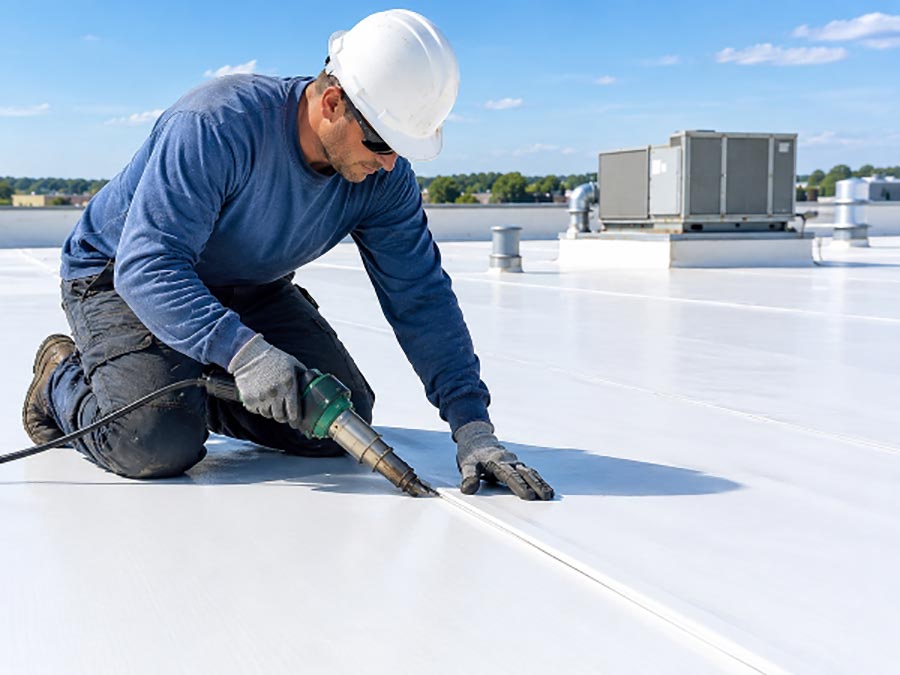
- Repairs. Open seams, punctures, flashings, fasteners, and other defects are repaired or reinforced as needed before coating.
- Primer where needed. Primer is used when required by the selected coating system and existing substrate.
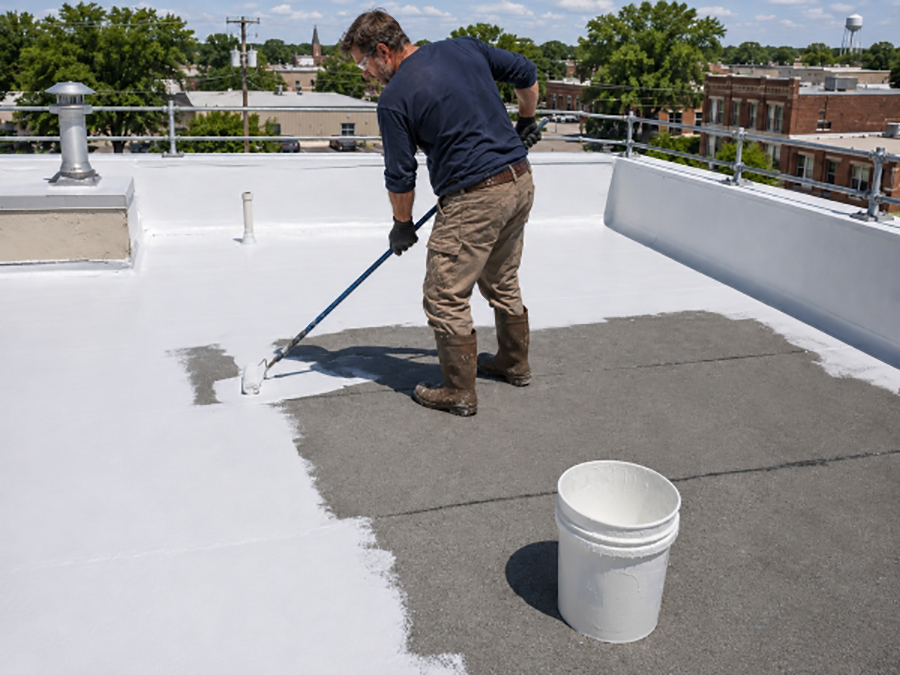
- Coating. The coating is applied to the specified thickness or coverage, with reinforcement at seams and details where the selected system requires it.
The membrane roof coating service describes coating work used on suitable existing roof membranes as part of a restoration approach.
Is the Roof a Good Candidate?
Restoration suitability depends on several roof conditions:
- Dry insulation and deck. Wet insulation or other concealed moisture can change the scope and may require removal or replacement before coating.
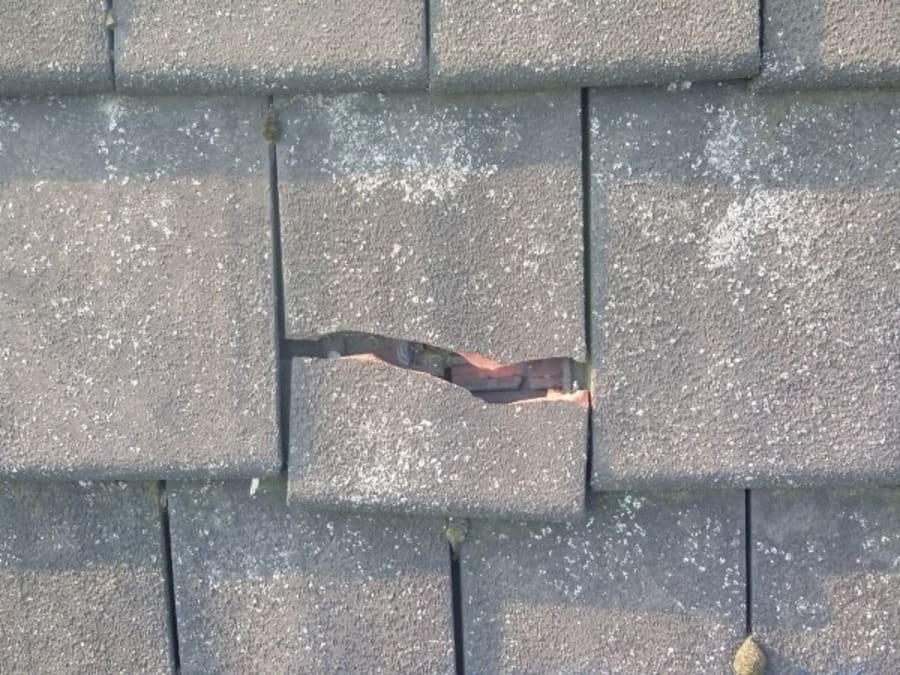
- A well-adhered surface. Some metal, modified bitumen, single-ply, and spray foam assemblies may be candidates when adhesion, compatibility, surface condition, and manufacturer requirements support coating. Widespread splits, lifted sections, or failed laps need correction before restoration.
- Manageable ponding. Recurring standing water can indicate drainage, slope, outlet, or substrate conditions that affect coating selection and restoration scope.
- Sound details. Flashings, penetrations, drains, and edges need to be suitable for repair or replacement within the restoration scope.
A roof that fails these checks may need targeted section replacement or a different scope. A roof inspection and evaluation can document existing conditions and help compare restoration with a larger repair or replacement scope.
Acrylic or Silicone
Acrylic and silicone coatings have different application and performance characteristics, and the choice depends on the existing roof, drainage, compatibility, and the selected product requirements.
- Acrylic. Acrylic coatings are water-based products commonly used in commercial roof restoration. Suitability depends on the existing surface, preparation, drainage, application conditions, and the product’s written limitations.
- Silicone. Silicone coatings have different moisture, weathering, and recoating characteristics from acrylic systems. Ponding-water suitability, adhesion, preparation, and future recoating should follow the selected product’s written requirements.
Neither is automatically better for every roof. Compatibility and adhesion should be evaluated before full application.
Restoring Foam and Other Roof Types
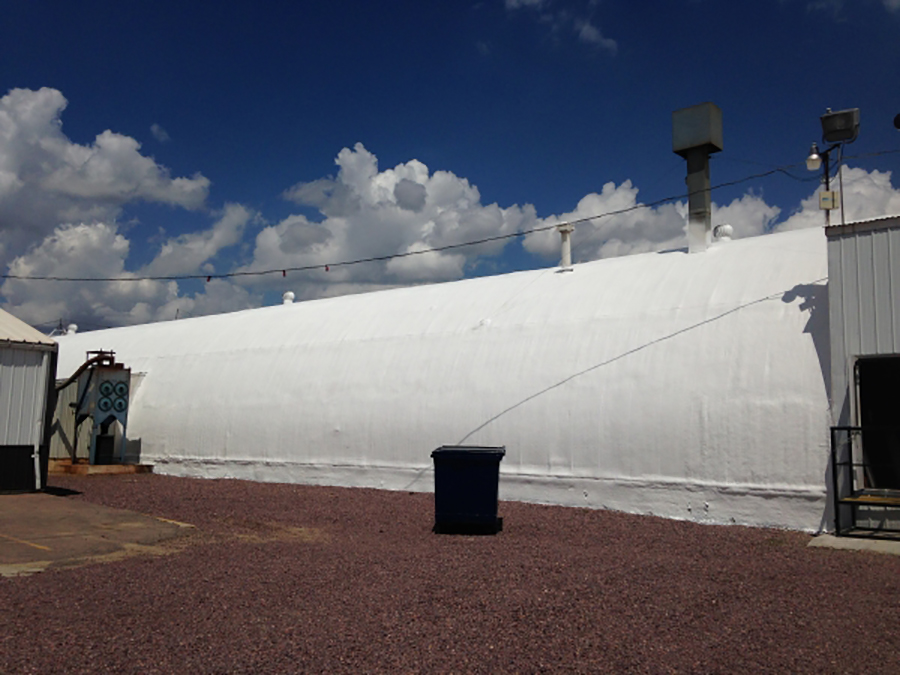
Some commercial roofs use spray polyurethane foam with a protective coating. When that assembly is otherwise suitable, maintenance or restoration may include repairing foam defects and renewing the protective coating according to system requirements. The foam and coating roof system page explains how those layers work together. Metal, built-up, and single-ply roofs each have their own preparation needs, which is why the evaluation comes before a coating recommendation.
Restoration Compared With Replacement
Restoration may fit when the existing assembly remains a suitable base after moisture, adhesion, drainage, attachment, and substrate checks. Replacement becomes more appropriate to compare when moisture or deterioration is widespread, attachment is unreliable, or structural or deck problems extend beyond a restoration scope. Restoration cannot correct structural problems, and it is better to learn that during the evaluation than after money goes into a surface that will not hold.
Weather also affects the schedule. Coatings have product-specific requirements for surface moisture, temperature, weather, thickness, and cure, so conditions can affect application timing. A realistic schedule leaves room for that rather than promising a fixed finish date. Whether the building can remain in normal use depends on access, odors, equipment, interior protection, safety restrictions, and the actual restoration scope. Elkton commercial roofs can be exposed to summer heat and humidity, freezing temperatures, rain, wind, and seasonal temperature changes. Those conditions can affect seams, flashings, drainage, surface preparation, and application timing.
Frequently Asked Questions
What is the difference between roof restoration and roof replacement?
Restoration repairs and coats the existing roof. Replacement removes it and installs a new roofing system.
Can a commercial roof be restored while the business stays open?
Sometimes. Normal operations depend on roof access, odors, noise, equipment, interior protection, safety restrictions, and the work being performed.
Will a coating stop an existing leak?
A coating may be part of the repair and restoration system, but the leak source and any wet or deteriorated materials should be addressed before the final coating scope is completed.
Does a restored roof need maintenance?
Yes. Inspection, cleaning, and localized maintenance may be required by the selected system or warranty terms. Future recoating depends on coating condition, adhesion, compatibility, and the written requirements in effect at that time.