Commercial buildings in Lancaster, PA face changing temperatures, seasonal moisture, and years of wear that can affect roofing performance. Spray foam roofing offers a unique solution by combining insulation with a seamless roofing surface that helps protect a wide range of commercial properties.
Call Oak Grove Roofing at (717) 945-9939 for spray foam roofing in Lancaster, PA.
Understanding Spray Foam Roofing
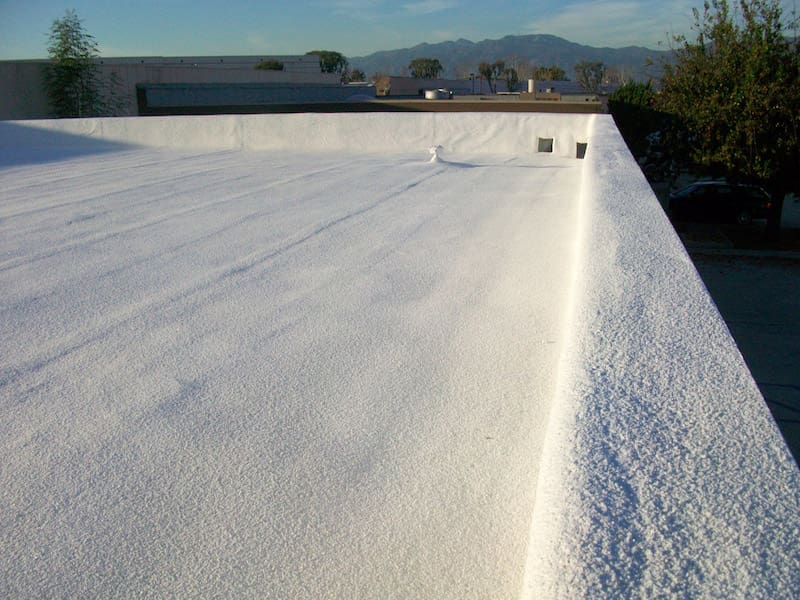
Spray foam roofing, also called spray polyurethane foam or SPF, is a commercial roofing system that is applied as a liquid before expanding into a solid foam surface. Once cured, the foam forms a seamless, continuous surface across the roof deck. Because there are no seams between large roofing sheets, there are fewer places where water can enter the building.
The foam itself provides insulation and structural support, while a protective topcoat gives the roof its weather resistance. Silicone or acrylic coatings shield the foam from sunlight, rain, and everyday weather exposure. Together, these layers create a roofing system that improves energy efficiency while protecting the building below.
One of the defining features of SPF is its self-flashing design. Flashing refers to the materials installed around roof penetrations such as pipes, vents, and equipment curbs to prevent leaks. With spray foam roofing, the foam is applied directly around these areas, creating a continuous seal instead of relying on separate flashing pieces that may loosen or separate as buildings expand and contract through Lancaster’s freeze-thaw seasons.
Why Spray Foam Roofing Works Well for Lancaster Commercial Buildings
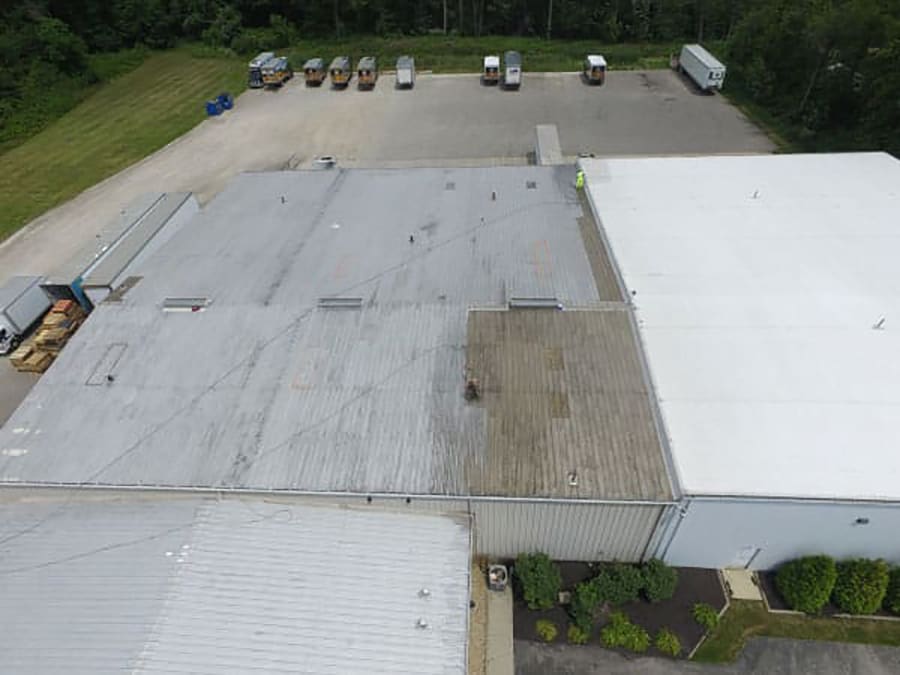
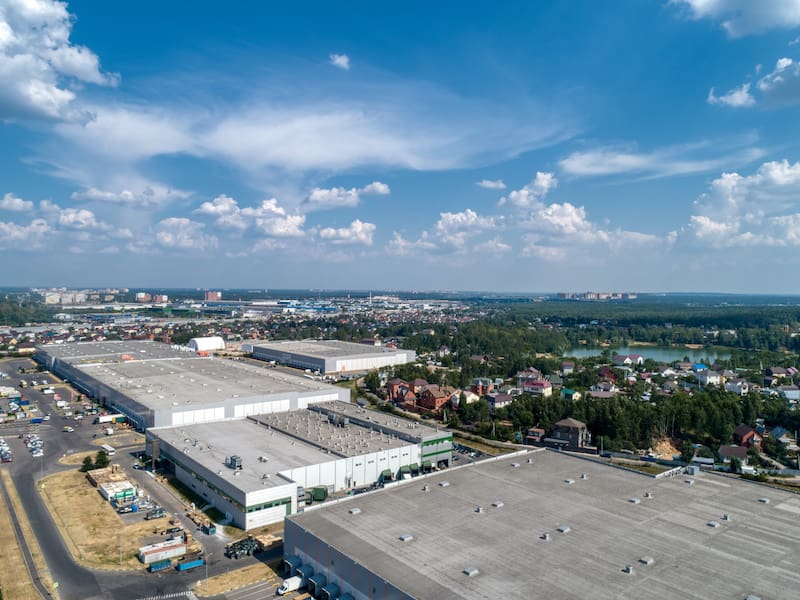
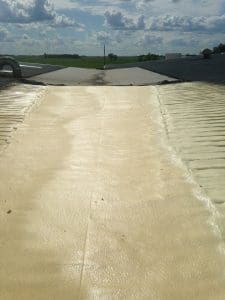 Lancaster County has a diverse inventory of commercial properties, including agricultural processing facilities, warehouses, manufacturing buildings, and cold-storage facilities. Many of these structures have low-slope roofs with multiple rooftop units, pipes, and other penetrations. Spray foam roofing adapts well to these conditions because it conforms to the existing roof rather than depending on numerous seams and joints.
Another advantage is insulation performance. SPF delivers one of the highest R-values per inch among commercial roofing systems. R-value measures a material’s resistance to heat flow, meaning higher values help reduce heat transfer through the roof. During Lancaster’s warm summers and cold winters, better insulation helps create more stable indoor temperatures while reducing heating and cooling demands.
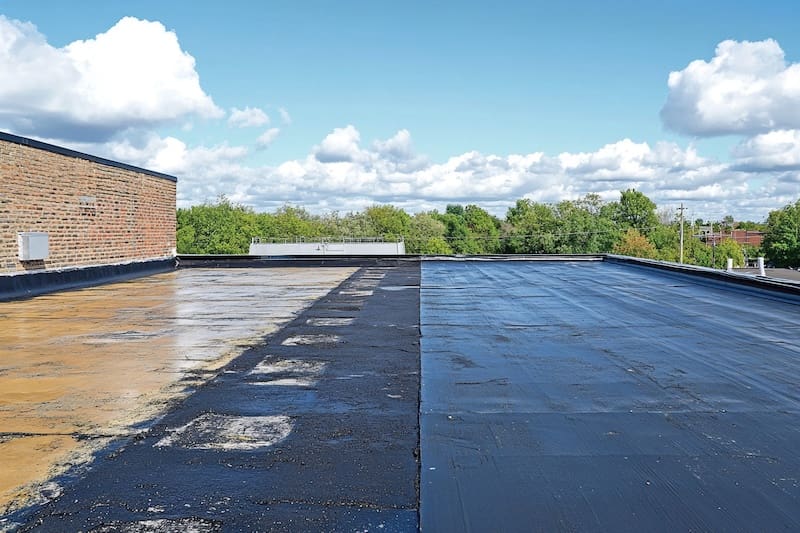
Older industrial buildings can also benefit from this roofing system. In many cases, spray foam can be installed over an existing roof after a thorough inspection and any necessary repairs. This reduces the amount of material removed from the building while giving the roof renewed performance. Whether an existing roof qualifies depends on its condition, so a professional evaluation is always the first step.
The Spray Foam Roofing Installation Process
Every project begins with preparing the roof surface. Contractors clean the existing roof, repair damaged areas, and confirm that the substrate is suitable for receiving foam. Proper preparation allows the foam to bond correctly and helps the finished roof perform as intended.
The spray polyurethane foam is then applied in multiple passes until the desired thickness is reached. As the liquid expands, it fills small gaps and creates a smooth, continuous layer across the roof. This process also allows the material to wrap around penetrations, curbs, and other roof details without creating separate seams.
After the foam has cured, a protective coating is applied across the entire surface. This topcoat provides ultraviolet protection and serves as the roof’s primary weather barrier. Over time, the coating naturally wears from exposure to the elements. Rather than replacing the entire roof, many SPF systems can be renewed by cleaning the surface and applying a new protective coating when the existing warranty period ends. This renewable design extends the service life of the roof for decades with proper maintenance.
Maintaining Spray Foam Roofing for Long-Term Performance
Like any commercial roofing system, SPF benefits from routine inspections and preventive maintenance. Annual evaluations help identify coating wear, minor damage from foot traffic, or drainage concerns before they develop into larger repairs. Keeping roof drains clear also helps water move off the roof efficiently.
Property owners should also understand that the protective coating performs a different job than the foam beneath it. The coating provides weather protection, while the foam delivers insulation and structural support. Maintaining the coating helps preserve the overall roofing system and supports its long-term performance.
Lancaster Spray Foam Roofing Experts
Spray foam roofing combines insulation, weather protection, and a seamless design into one commercial roofing system. For many warehouses, agricultural facilities, and industrial buildings throughout Lancaster, it offers an energy-efficient option that can be renewed through recoating instead of complete replacement when conditions are appropriate.
For spray foam roofing in Lancaster, PA contact Oak Grove Roofing at (717) 945-9939 today.
FAQ
How is spray foam roofing installed on a commercial building?
The roof is first cleaned and prepared so the foam can bond properly. Spray polyurethane foam is applied in controlled passes to build the required thickness, followed by a protective silicone or acrylic coating that provides weather resistance and UV protection.
How long does a spray foam roof last, and what maintenance does it require?
With regular inspections, prompt repairs to any coating damage, and periodic recoating when the protective layer reaches the end of its warranty, a spray foam roofing system can provide reliable service for decades.