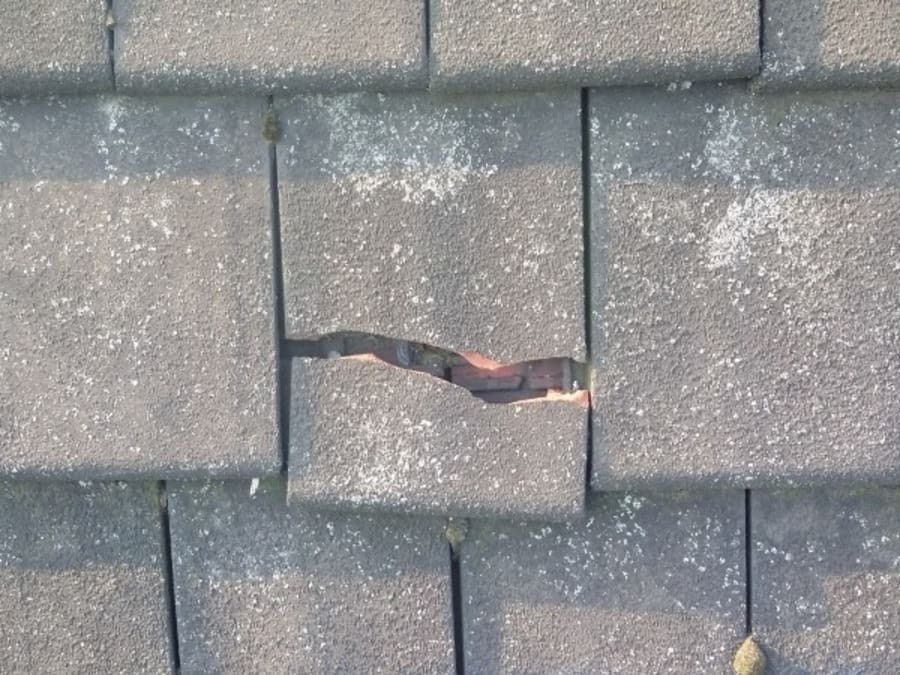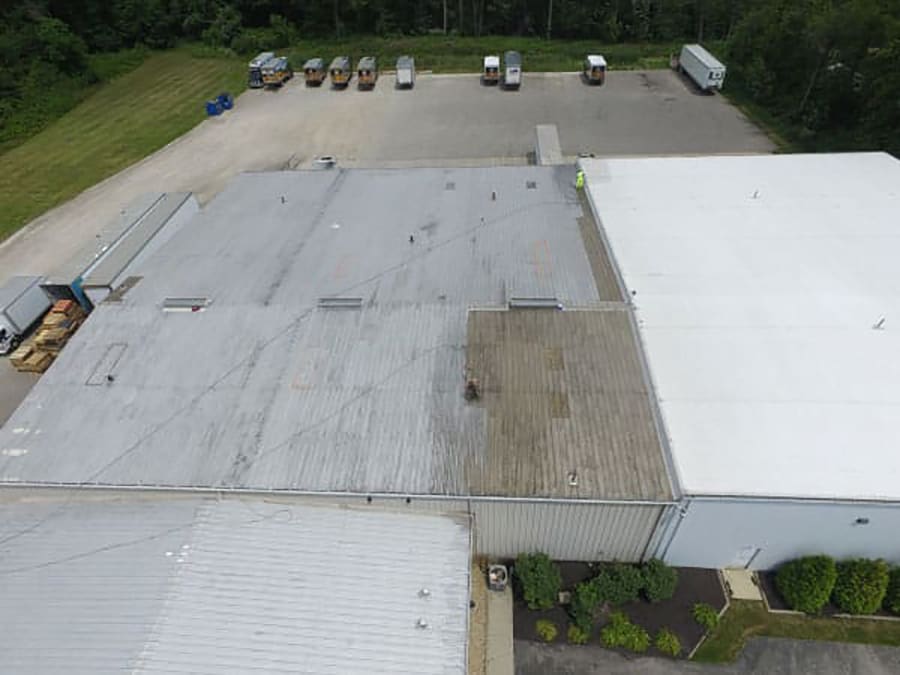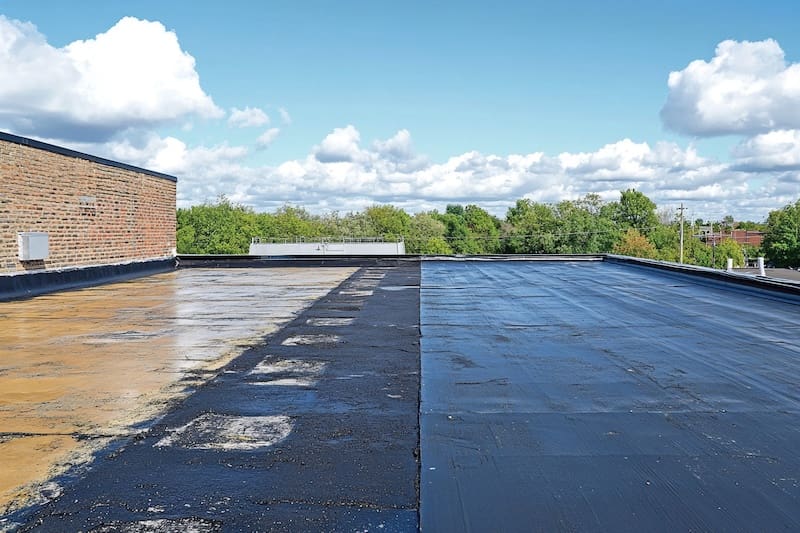
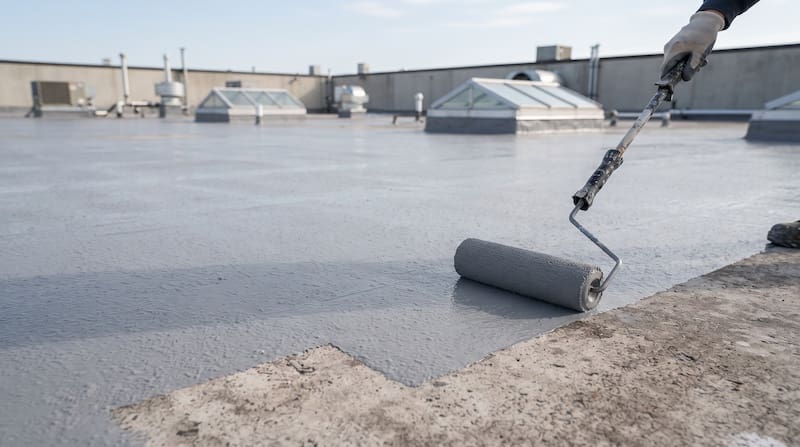
Commercial buildings throughout West Chester, PA, depend on flat roofing systems to protect offices, retail centers, medical facilities, and industrial properties from year-round weather exposure. However, even a durable roof can become vulnerable when its protective seals begin to fail. Heavy rainfall, freeze-thaw cycles, and prolonged UV exposure gradually weaken seams, flashing, and other critical transition points, allowing moisture to enter the roofing system. Flat roof sealing addresses these localized vulnerabilities before they develop into costly leaks and structural damage.
Call Oak Grove Roofing at (717) 945-9939 for flat roof sealing in West Chester, PA.
Where Flat Roof Sealing Is Most Important
 One of the most common places a flat roof loses its protective seal is along membrane seams. Roofing membranes are installed in sections, with adjoining areas forming lap joints sealed with adhesives or seam tape. Years of sunlight, seasonal temperature changes, and repeated freeze-thaw cycles can gradually weaken the bond between these materials. As seams begin to separate, rainwater can work beneath the membrane long before leaks appear inside the building.
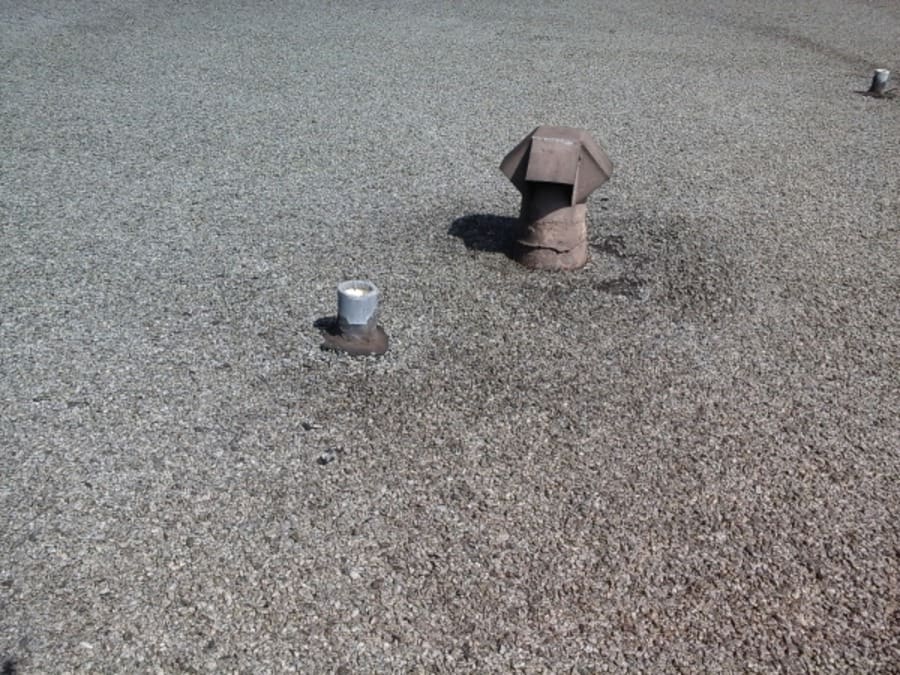
Flashing around rooftop penetrations is another area where sealing failures frequently occur. Pipes, HVAC curbs, vents, drains, and edge metal all require separate flashing materials to create watertight transitions. Over time, the sealants used around these components can dry out, crack, or pull away from adjoining surfaces. Even small openings can allow water to bypass the flashing and enter the roofing assembly.
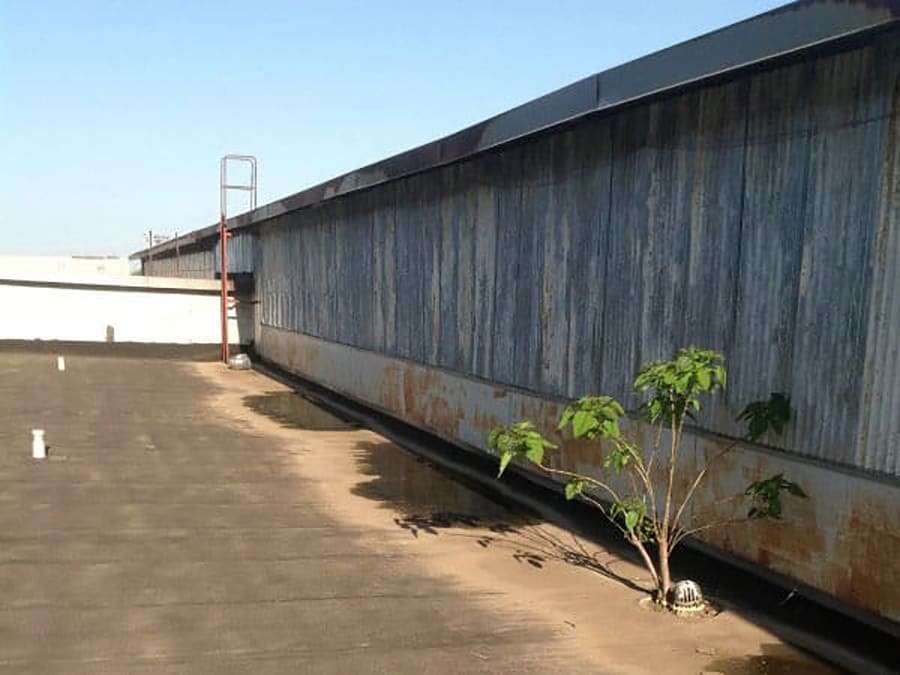
The roof perimeter is another vulnerable area. As roofing materials and building components expand and contract with changing temperatures, movement at roof edges can gradually create small gaps where the membrane meets parapet walls or edge metal. Wind-driven rain can enter through these openings, particularly during severe storms common in southeastern Pennsylvania.
Drain collars also deserve careful attention. Instead of directing water safely into the drainage system, deteriorated seals around roof drains may allow water to enter beneath the membrane surrounding the drain opening. Because this area regularly handles large volumes of water during storms, even minor sealing failures can lead to significant leaks.
Warning Signs That Flat Roof Sealing Is Needed
Sealing failures often develop gradually, giving property owners an opportunity to address the problem before significant water intrusion occurs. On the roof itself, early warning signs may include lifted membrane edges, wrinkled seams, cracked or missing sealant around pipes and HVAC curbs, or gaps where the membrane meets edge metal. Ponding water that consistently remains around drains or low areas can increase stress on deteriorated seals and other vulnerable roofing components.
Inside the building, signs of water intrusion may be less direct but are equally important. Water stains on ceiling tiles, bubbling paint, discoloration on interior walls, or a persistent musty odor may all point to moisture entering through a failed roof seal. Because water can travel beneath the roofing membrane before becoming visible indoors, the source of a leak is often located far from where the damage first appears.
Recognizing these warning signs early allows property owners to schedule a professional inspection before localized sealing failures develop into widespread roof deterioration.
How Professional Flat Roof Sealing Solves These Problems
Professional flat roof sealing begins with a thorough inspection to identify areas where the roof has lost its watertight barrier. Rather than simply applying sealant across the roof, roofing professionals evaluate seams, flashings, penetrations, perimeter details, and drain assemblies to determine which areas require attention.
Once the vulnerable locations have been identified, deteriorated sealants and damaged materials are removed where necessary before new sealing materials are installed. Seams are resealed, flashing transitions are restored, and penetrations are properly waterproofed using materials compatible with the existing roofing system. This targeted approach addresses the source of water intrusion while helping preserve the remaining roofing system.
Protect Your Commercial Roof Before Leaks Spread
Small sealing failures rarely remain small for long. West Chester’s seasonal weather continually exposes commercial roofs to heavy rainfall, UV radiation, and freeze-thaw cycles that can gradually enlarge minor openings around seams, flashings, and roof penetrations. Addressing these vulnerable areas through professional flat roof sealing helps stop water intrusion before it damages insulation, roof decking, or the building’s interior.
For flat roof sealing in West Chester, PA, contact Oak Grove Roofing at (717) 945-9939 today.
FAQ
What are the most common places a flat roof loses its seal on a West Chester commercial building?
The most common failure points include membrane seams, flashing around rooftop penetrations, perimeter edge details, and drain collars. These locations experience regular movement and weather exposure, making them more susceptible to seal deterioration over time.
How can I tell if my flat roof has a sealing failure before interior leaks appear?
Look for lifted membrane seams, cracked sealant around vents or HVAC equipment, deteriorated flashing, or recurring ponding water on the roof. Inside the building, ceiling stains, bubbling finishes, or musty odors may indicate moisture entering through a failed roof seal.
Can flat roof sealing be completed while my commercial building remains occupied?
Yes. In most cases, flat roof sealing is performed entirely from the roof surface and requires little or no access to occupied interior spaces. The work can often be scheduled to minimize disruption to normal business operations.