Lancaster, PA commercial roofs experience year-round weather extremes, from intense summer sunlight to freezing winter temperatures, along with heavy rain and seasonal ice. Flat roof sealing helps protect vulnerable areas from moisture intrusion, reducing wear and extending the usable life of an existing roofing system.
For related commercial roofing guidance in Lancaster, see Roof restoration in Lancaster and Flat roof repair in Lancaster.
Call Oak Grove Roofing at (717) 945-9939 for flat roof sealing in Lancaster, PA.
How Flat Roof Sealing Extends Lifespan
Every flat roof naturally ages as it is exposed to sunlight, temperature changes, and moisture. Over time, roofing materials expand during warm weather and contract during colder months. In Lancaster’s climate, repeated freeze-thaw cycles place additional stress on seams, flashing details, and roof penetrations. Even small openings can allow water beneath the roofing membrane, beginning a cycle of hidden deterioration.
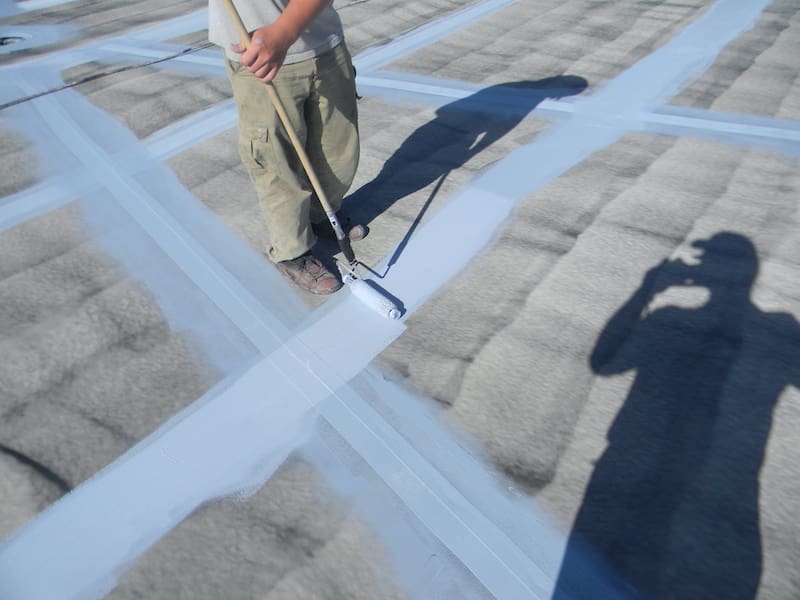
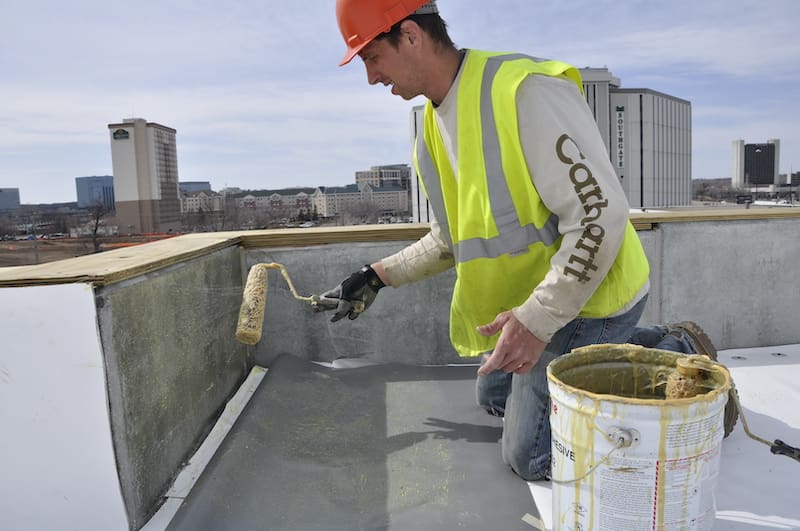
Flat roof sealing helps protect these vulnerable areas before larger problems develop. Professional sealants create a waterproof barrier over joints, transitions, and other locations where movement commonly occurs. By limiting water intrusion, sealing reduces the chance of insulation becoming saturated, structural components weakening, or interior leaks forming.
A properly maintained roof generally lasts much longer than one that only receives attention after leaks appear. Sealing is one part of a proactive maintenance strategy that helps commercial property owners maximize the value of their existing roofing investment while delaying the need for replacement.
Flat Roof Sealing for Different Roofing Systems
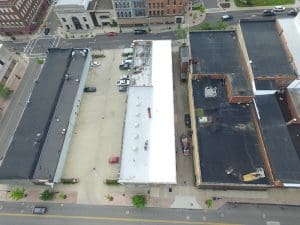 Many commercial roofing systems benefit from periodic sealing. Single-ply membranes, modified bitumen roofs, built-up roofing systems, and coated roofing assemblies all contain details that require routine inspection and maintenance. While the roofing materials differ, water almost always enters through the same types of weak points if they are left unprotected.
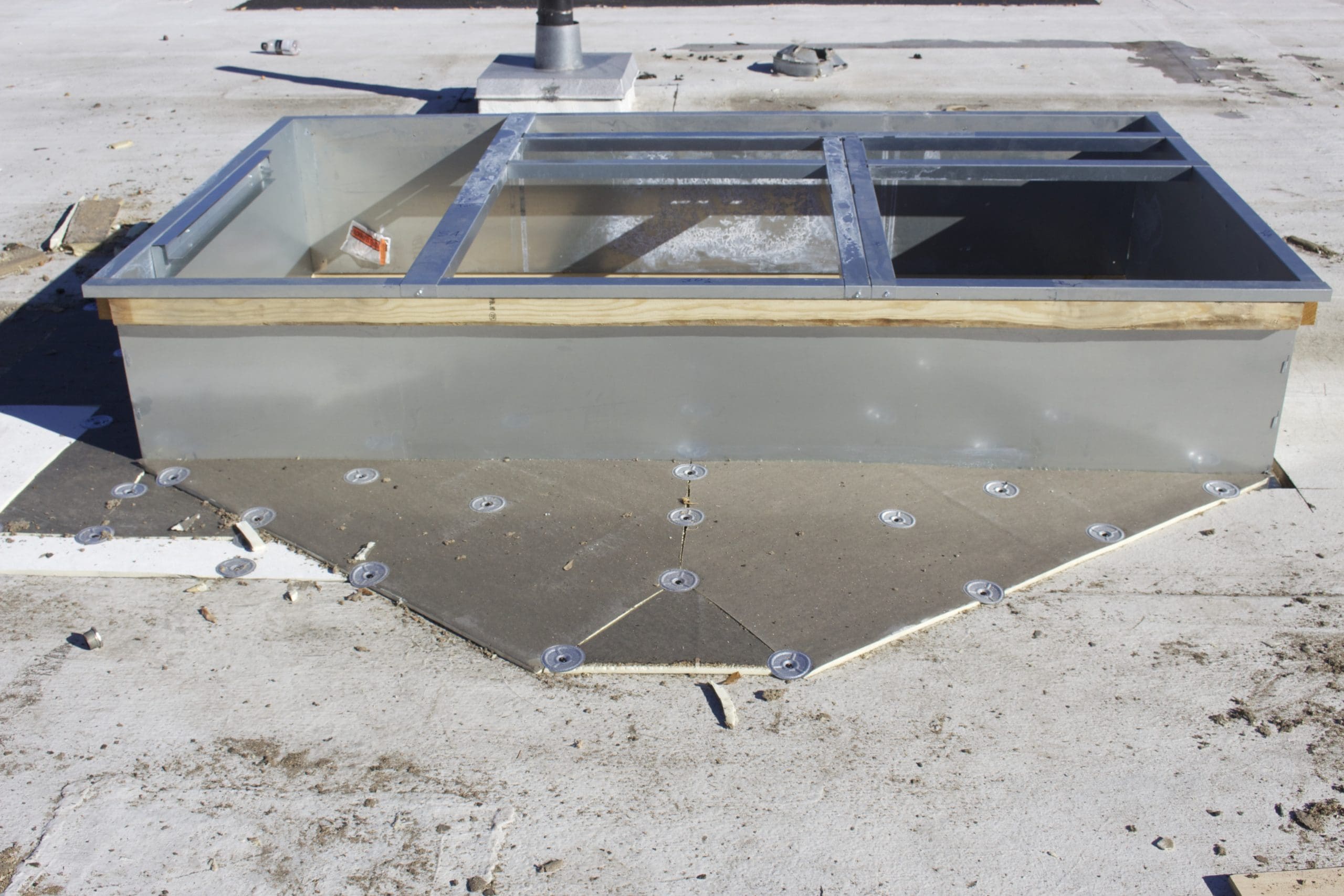
High-risk areas deserve special attention. Roof penetrations for HVAC equipment, plumbing vents, skylights, perimeter edges, drain assemblies, expansion joints, and flashing connections experience constant movement. These locations are more likely to develop small gaps that grow larger as seasonal weather cycles continue.
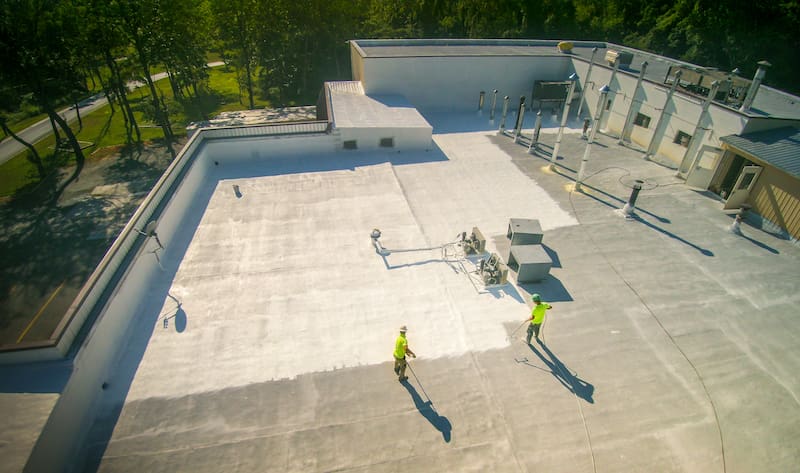
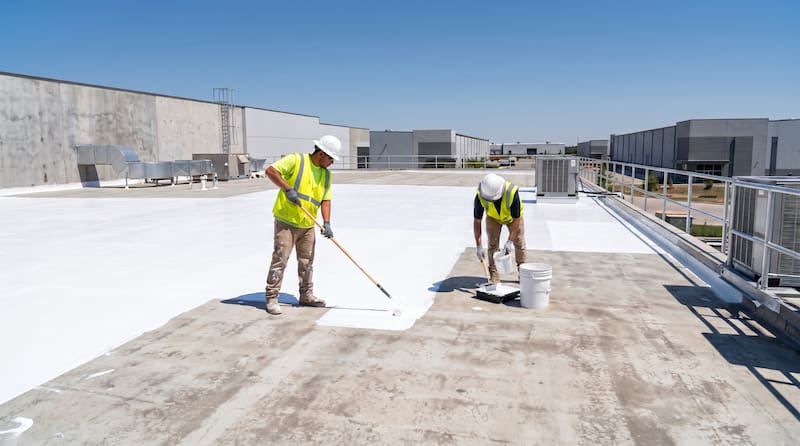
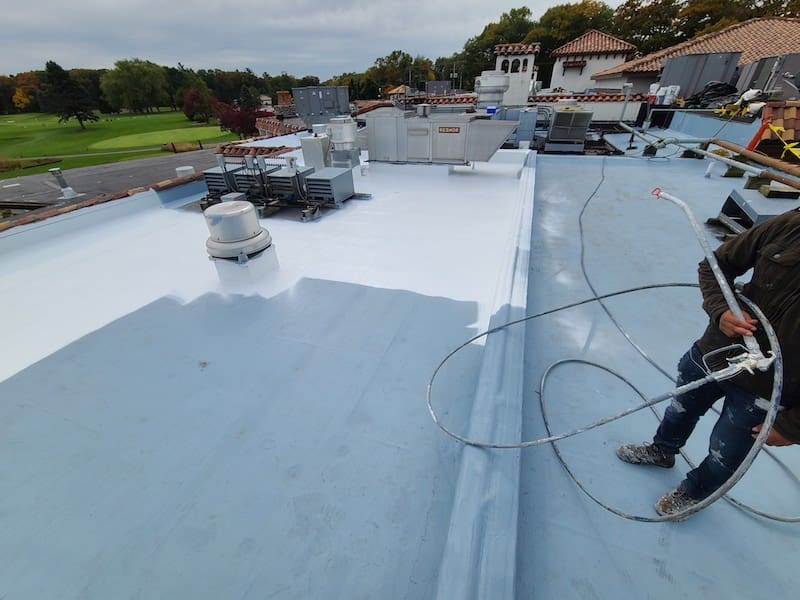
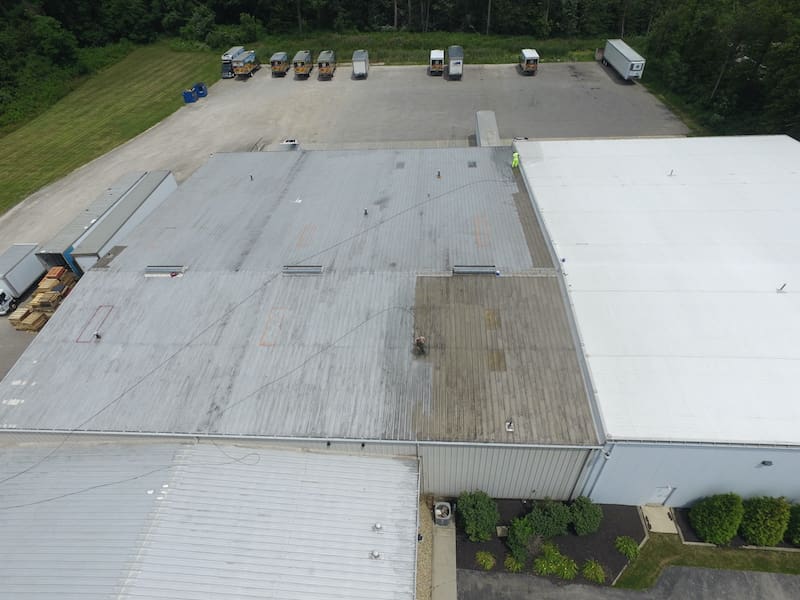
For coated roofing systems, sealing often works together with protective roof coatings to preserve the waterproof surface. At the end of a coating warranty period, many systems can be recoated to renew protection and continue extending the roof’s service life without requiring complete replacement. This approach helps building owners spread capital expenses over a much longer period.
Delaying Flat Roof Sealing Leads to Larger Problems
Small roof defects rarely remain small for long. Water entering through an unsealed seam or flashing can travel beneath the membrane before becoming visible inside the building. By the time a ceiling stain appears, moisture has already affected insulation, fasteners, and portions of the roof deck.
Deferred sealing also exposes roofing materials to accelerated weathering. Ultraviolet radiation gradually dries exposed materials, while freeze-thaw cycles widen tiny cracks that develop over time. As those openings increase in size, repairs become more extensive and more expensive.
Property owners who schedule regular inspections have a better opportunity to address developing issues while repairs remain relatively simple. Instead of replacing large sections of roofing after prolonged water infiltration, targeted sealing can restore waterproof protection before significant damage occurs. This approach supports predictable maintenance budgets while reducing disruptions to business operations.
Flat Roof Sealing as Part of Long-Term Roof Management
A commercial roof performs best when maintenance follows a planned schedule rather than responding only to emergencies. Routine inspections identify aging sealants, loose flashing, and minor defects before they become active leaks. Sealing completed at the right time helps preserve the condition of the overall roofing system.
Long-term roof management also provides better information for future budgeting. Regular evaluations allow property owners to monitor how the roof is aging and determine whether localized sealing, broader restoration, or eventual replacement will provide the greatest value. Extending the life of an existing roof by several years can significantly reduce overall ownership costs.
Lancaster Flat Roof Sealing Specialists
Flat roof sealing is a practical way to extend roof life, reduce water intrusion, and protect commercial buildings from avoidable damage. Combined with routine inspections and scheduled maintenance, sealing helps Lancaster property owners get the maximum performance from their existing roofing systems.
For flat roof sealing in Lancaster, PA contact Oak Grove Roofing at (717) 945-9939 today.
FAQ
How does flat roof sealing extend the life of a commercial roof?
Sealing blocks water from entering through seams, flashing edges, penetrations, and other vulnerable areas. Preventing moisture intrusion reduces deterioration of roofing materials, insulation, and structural components, allowing the roof to remain serviceable for a longer period.
What areas of a flat roof usually require sealing?
The most common locations include membrane seams, flashing around rooftop equipment, drain collars, roof edges, expansion joints, pipe penetrations, and transitions between roofing materials. These areas experience movement and weather exposure that can gradually weaken waterproof protection.
How often should a commercial flat roof in Lancaster be resealed?
The schedule depends on the roofing system, its age, and its current condition. Regular professional inspections can determine whether localized sealing is sufficient or if a larger restoration or coating renewal is the better long-term solution.