Building a Roof Maintenance Program in Coatesville, PA
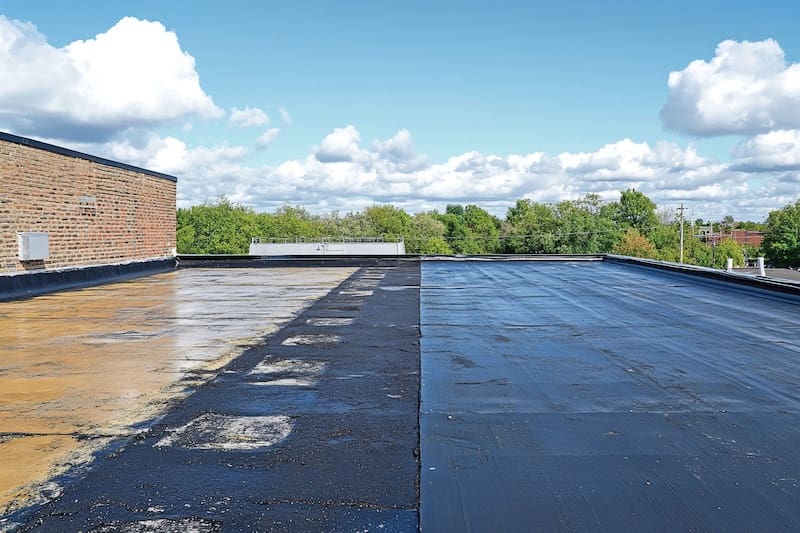
A commercial roof maintenance program should help a property manager understand current roof condition, track recurring trouble spots, and decide what needs attention before a small defect becomes a larger repair. For a Coatesville, PA building, the plan should reflect the actual roof system, drainage, age, rooftop traffic, repair history, and exposure rather than follow one fixed checklist for every property.
Oak Grove Roofing provides commercial roof maintenance, inspection, and repair services within its approved Pennsylvania service area. Property managers can use a condition-based maintenance plan to organize inspections, routine upkeep, documented repairs, and future capital planning.
Start With a Baseline Roof Evaluation
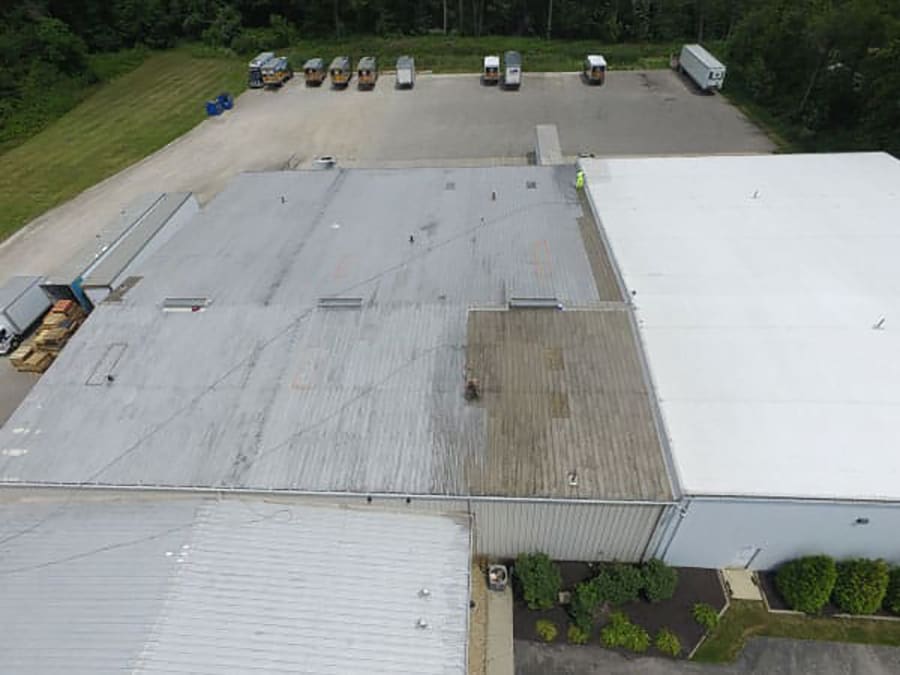
Before setting a maintenance schedule, document what is already on the roof. That includes the roof system, visible membrane or surface condition, seams, flashing, penetrations, drains, scuppers, gutters, roof edges, previous repairs, rooftop equipment, and any known leak history.
The first evaluation should also identify limitations. Interior staining does not always reveal where water entered, and a surface inspection may not show hidden moisture. If the roof condition suggests a broader moisture problem, additional investigation may be needed before the maintenance scope is finalized.
Make Drainage Part of Every Maintenance Review
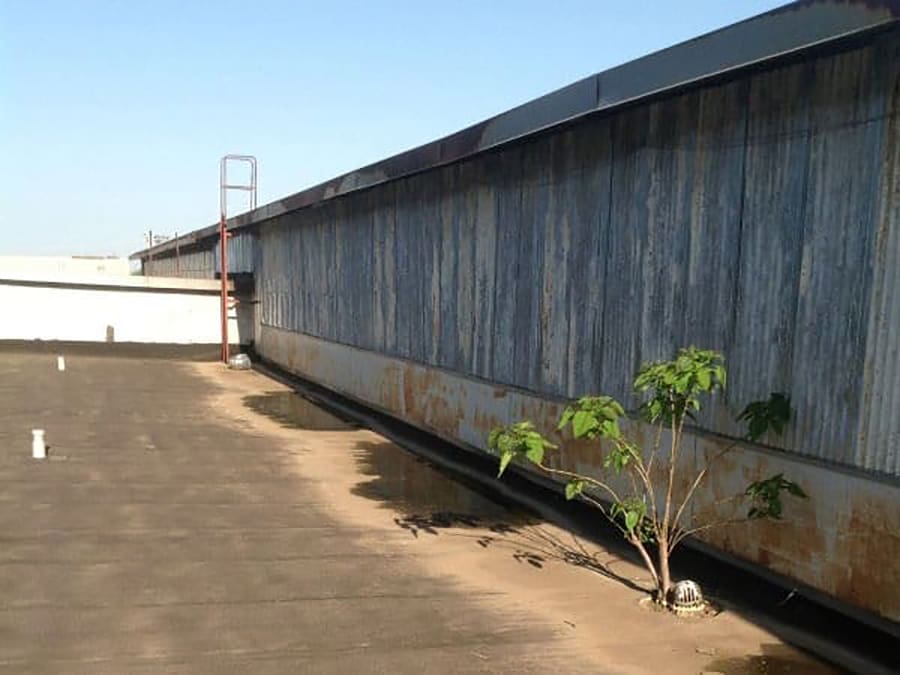
Blocked drains, scuppers, gutters, and downspouts can contribute to standing water and overflow, but drainage problems can also result from slope, settlement, roof geometry, or damaged components. A maintenance visit should identify what is obstructed, damaged, or not draining as intended rather than treating every ponding area as the same problem.
Debris removal can be useful where leaves, branches, dirt, or other material are restricting drainage. The plan should also record recurring drainage trouble so repeated symptoms are not addressed as isolated events.
Check Seams, Flashing, Penetrations, and Roof Edges
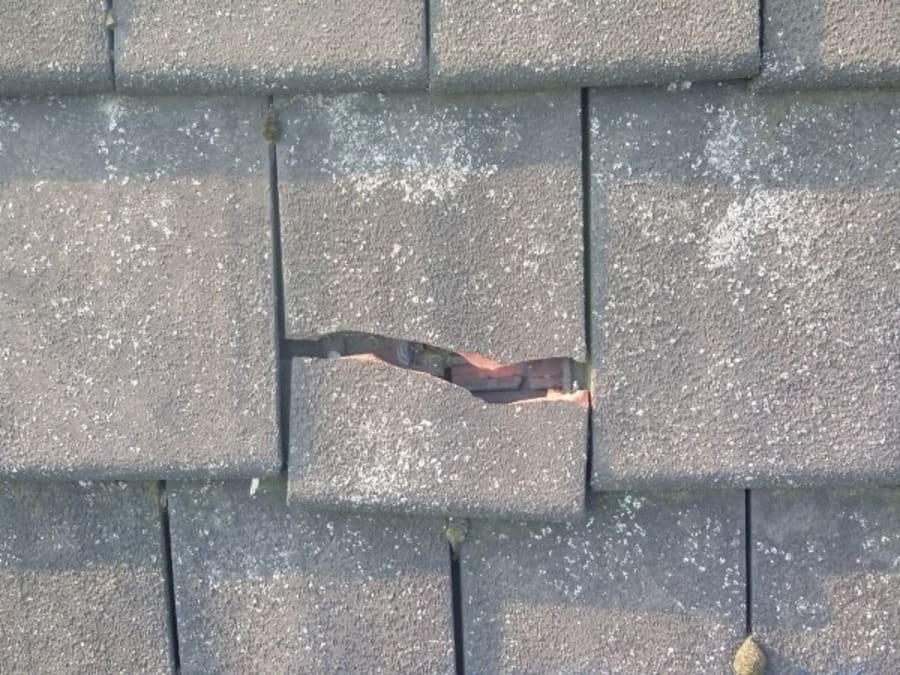
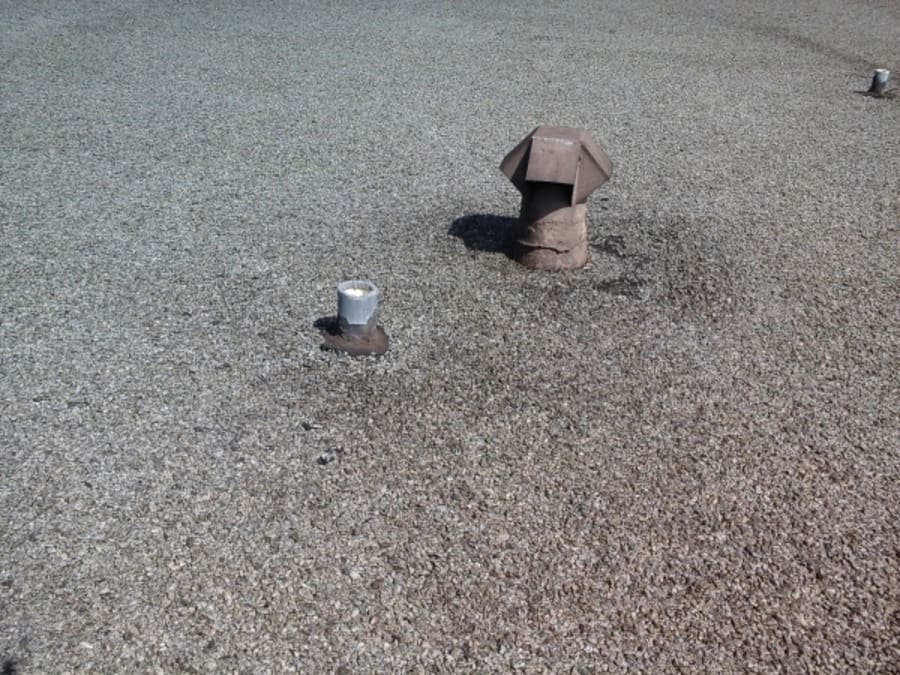
Roof details deserve consistent review because they often change as the roof ages, equipment is serviced, or previous repairs weather. A maintenance inspection can document open seams, damaged flashing, failed sealant, loose edge components, punctures, deterioration around penetrations, and other visible defects.
The findings should separate routine maintenance from repair work. Replacing a small amount of failed sealant is different from repairing widespread flashing deterioration or investigating moisture beneath the roof assembly.
Set the Inspection Schedule From the Roof’s Actual Risk
There is no universal twice-a-year inspection rule that fits every commercial roof. System type, age, warranty terms, rooftop traffic, drainage history, previous leaks, severe weather, nearby vegetation, and the building’s operational importance can all affect how often the roof should be reviewed.
Some buildings may benefit from seasonal or post-storm checks, while others may need a different cadence based on condition. The schedule should be adjusted when inspection findings show the roof is changing faster or slower than expected.
Document What Was Found and What Was Done
A useful maintenance record should include the inspection date, roof areas reviewed, photos where helpful, observed defects, completed maintenance, recommended repairs, unresolved concerns, and the next follow-up trigger. Documentation makes it easier to distinguish a recurring problem from a new one.
Records can also help property managers review warranty obligations, repair history, contractor recommendations, and capital planning. Whether documentation is required for a specific warranty depends on the actual warranty terms, so the owner should review those documents instead of assuming every roof has the same requirements.
Use Maintenance to Support Repair and Replacement Decisions
Maintenance should not be presented as a guarantee that major repairs will never be needed or that every roof will reach a specific service life. Its value is in creating better information about condition and addressing manageable defects before the next decision becomes urgent.
If inspections begin showing widespread deterioration, recurring leaks in unrelated areas, extensive moisture, unstable materials, or repeated repairs with short-lived results, the property manager may need to compare restoration or replacement rather than continue treating each problem separately.
Budget for Known Work and Uncertain Repairs Separately
A maintenance budget can include predictable inspection and routine upkeep while keeping a separate reserve for repairs that cannot be forecast precisely. That is more useful than assuming planned maintenance will always cost less than emergency work.
Emergency roof problems can create extra disruption, access needs, interior protection, inventory concerns, or scheduling pressure, but those consequences vary by building. The maintenance program should help reduce uncertainty without promising a fixed financial return.
Include Rooftop Equipment and Traffic Conditions
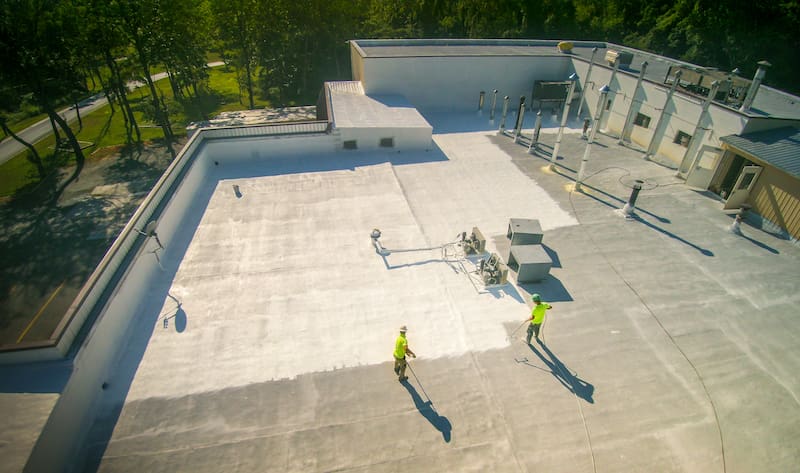
HVAC service, satellite equipment, exhaust systems, maintenance crews, and other rooftop activity can affect the areas around access paths, curbs, penetrations, and service zones. A maintenance plan should account for where people regularly walk and where equipment work occurs.
If new equipment or penetrations are added, the roof should be reviewed afterward so flashing and surrounding materials can be documented as part of the ongoing maintenance record.
Roof Maintenance in Coatesville, PA
For a Coatesville commercial property, a useful maintenance program should produce a current picture of roof condition, a record of completed work, clear repair priorities, and a schedule that changes with the roof rather than remaining fixed for years.
Oak Grove Roofing can help property managers evaluate commercial roof condition and organize maintenance, inspection, and repair needs around the building’s actual roof system.
Frequently Asked Questions
How often should a commercial roof be inspected?
There is no universal schedule. Roof type, age, warranty terms, drainage, rooftop traffic, repair history, severe weather, and prior leaks should guide the inspection cadence.
Does roof maintenance prevent emergency repairs?
No maintenance program can guarantee that. Regular reviews can identify manageable defects earlier and improve planning, but unexpected failures and storm damage can still occur.
Can maintenance records help with a roof warranty?
They can help document inspections and completed work, but actual maintenance and documentation requirements depend on the specific warranty terms.
When should maintenance give way to restoration or replacement?
When deterioration, moisture, recurring failures, or repair history show the roof is no longer a reliable repair candidate, a broader restoration or replacement evaluation may be more appropriate.