Choosing Commercial Roofers in York, PA
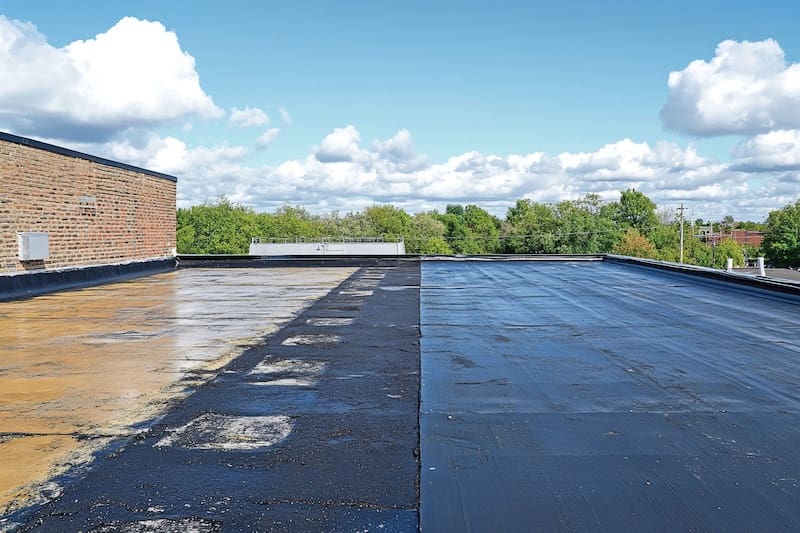
Choosing a commercial roofer for a flat or low-slope building in York, PA should start with the project itself. A property manager needs a contractor who can document the roof condition, explain the recommended scope, identify what is included and excluded, and show experience with similar commercial systems.
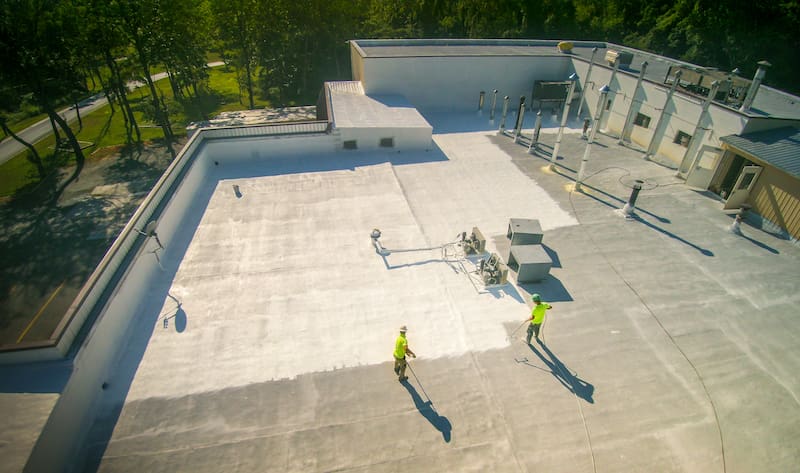
Oak Grove Roofing is fully insured and bonded and provides commercial roofing services in York, including repair, installation and re-roofing, inspection, coatings, foam and coating systems, single-ply roofing, and storm-damage repair. Property managers can use those service capabilities as one part of a broader contractor comparison.
Start With the Roof Condition, Not the Contractor’s Sales Pitch
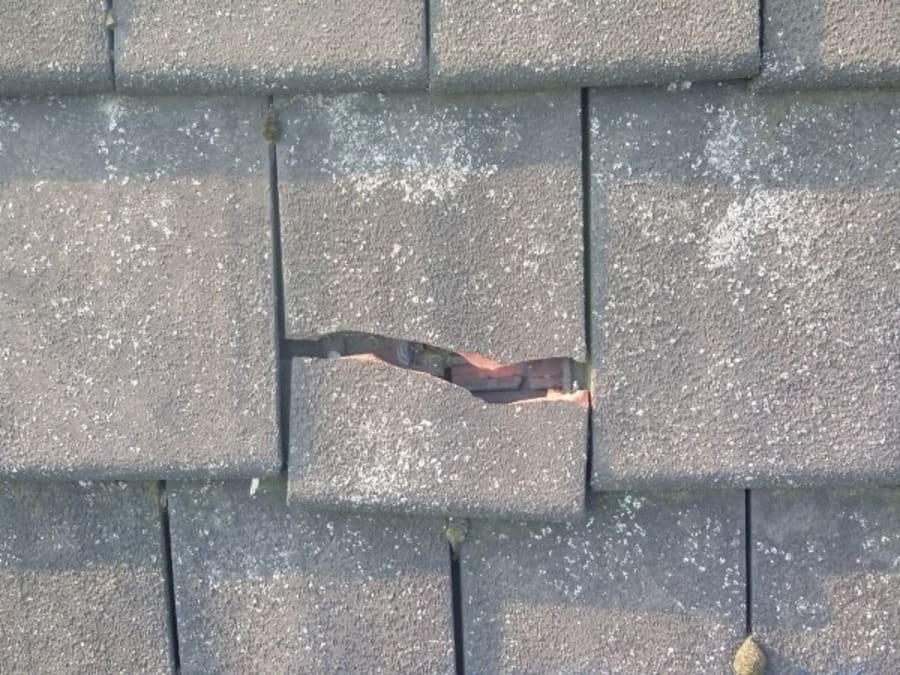
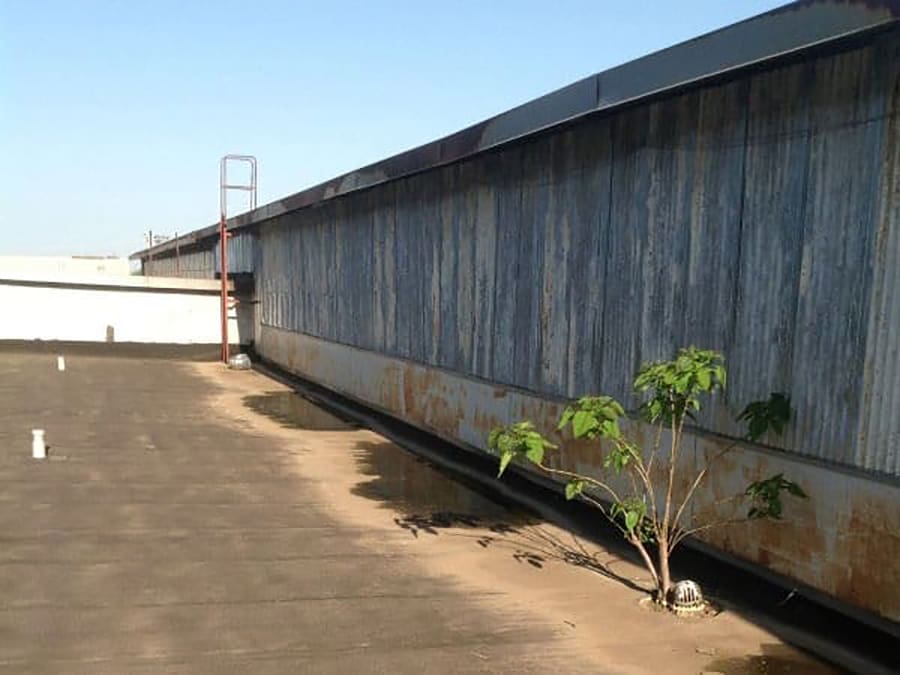
Before comparing bids, confirm what problem the project is supposed to solve. A recurring leak, aging membrane, wet insulation, damaged flashing, drainage problem, or widespread deterioration can lead to very different scopes.
A useful contractor should inspect the roof, document relevant conditions, explain any limitations in the inspection, and connect the recommendation to those findings. A price without a clear basis is difficult to compare with a proposal built around documented roof conditions.
Oak Grove Roofing’s York commercial roofing page outlines the company’s current service scope for local commercial properties.
Compare Relevant Commercial Roofing Experience
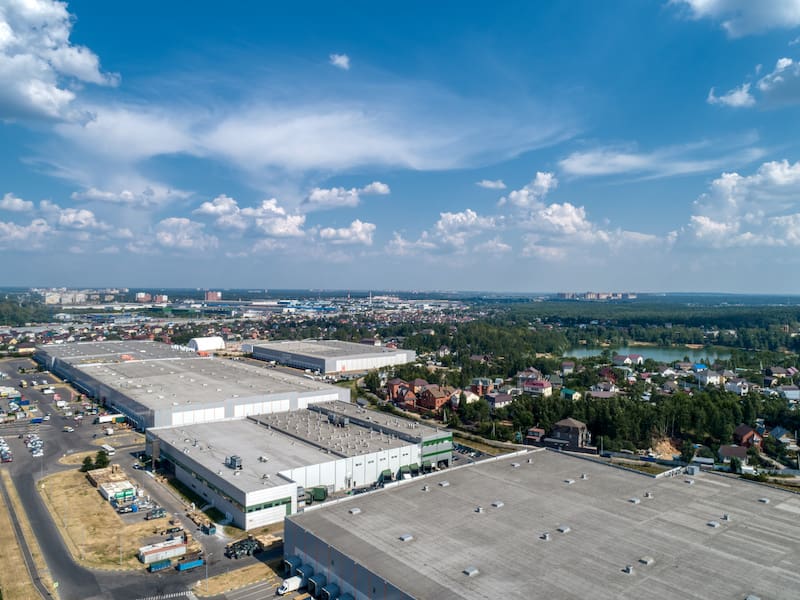
Commercial flat and low-slope roofs involve different materials, drainage details, penetrations, attachment methods, and repair approaches than typical residential shingle roofs. Ask contractors for examples of work involving buildings and roof systems similar to yours.
The useful question is not simply how many years a contractor has been in business. Ask what type of commercial roofs the crew works on, how the company handles inspections and repairs, and whether the proposed system is part of its regular commercial scope.
Verify Insurance and Business Requirements
Ask for current proof of general liability and workers’ compensation coverage where applicable, and verify any registration, permit, or local business requirements that apply to the project. Requirements can vary by jurisdiction and project type, so avoid relying on a generic claim that every commercial roofer holds the same state license.
Oak Grove Roofing’s York page currently identifies the company as fully insured and bonded. Property managers should still request current documentation for their specific project before work begins.
Make Sure the Written Scope Is Comparable
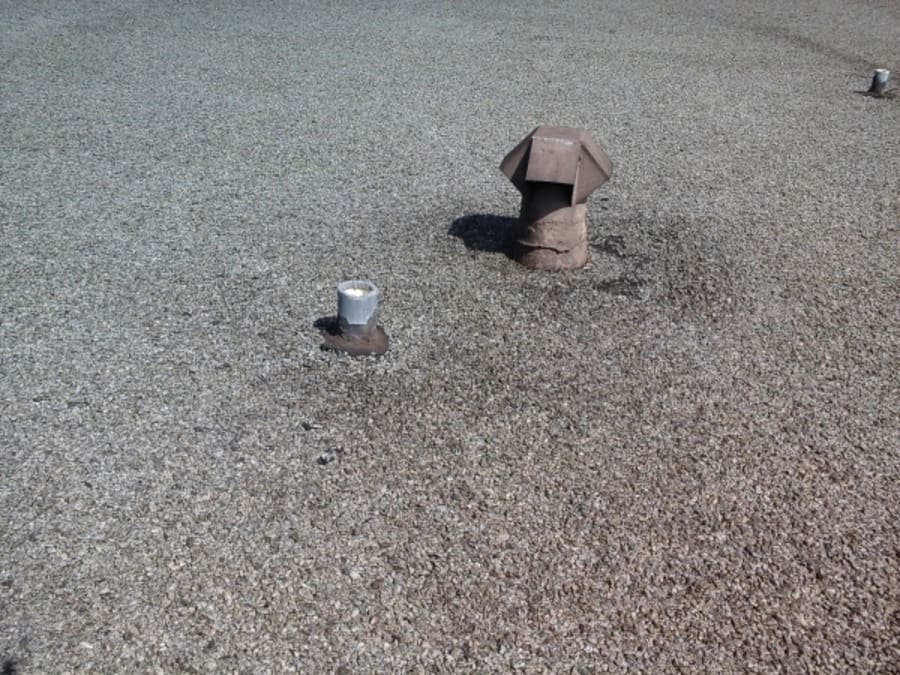
Two roofing bids can have very different prices because they describe different work. A written scope should identify the roof areas involved, preparation, repairs, materials or systems, insulation work, flashing, penetrations, drainage work, roof edges, access, cleanup, and exclusions.
If hidden moisture or deteriorated decking could expand the scope, the proposal should explain how those conditions will be handled and how additional work will be approved. That makes it easier to compare contractors on the same basis instead of comparing only the final number.
Ask How Building Operations Will Be Protected
Commercial roofing work can affect entrances, loading areas, rooftop equipment, parking, noise-sensitive areas, and occupied spaces. Ask how the contractor plans access, staging, debris control, daily cleanup, weather protection, and communication with facility staff.
The answer should match the building. A warehouse, office, retail property, restaurant, and occupied industrial facility may require different sequencing even when the roofing system is similar.
Separate Product Coverage From Workmanship Responsibility
If warranties are part of the proposal, ask what is covered by the roofing-product manufacturer and what remains the contractor’s responsibility. Also ask what maintenance, inspection, documentation, or notice requirements may apply after the project.
Do not assume every roof system or contractor offers the same warranty terms. The written proposal and actual warranty documents should control the comparison.
Compare Repair, Restoration, and Replacement Honestly
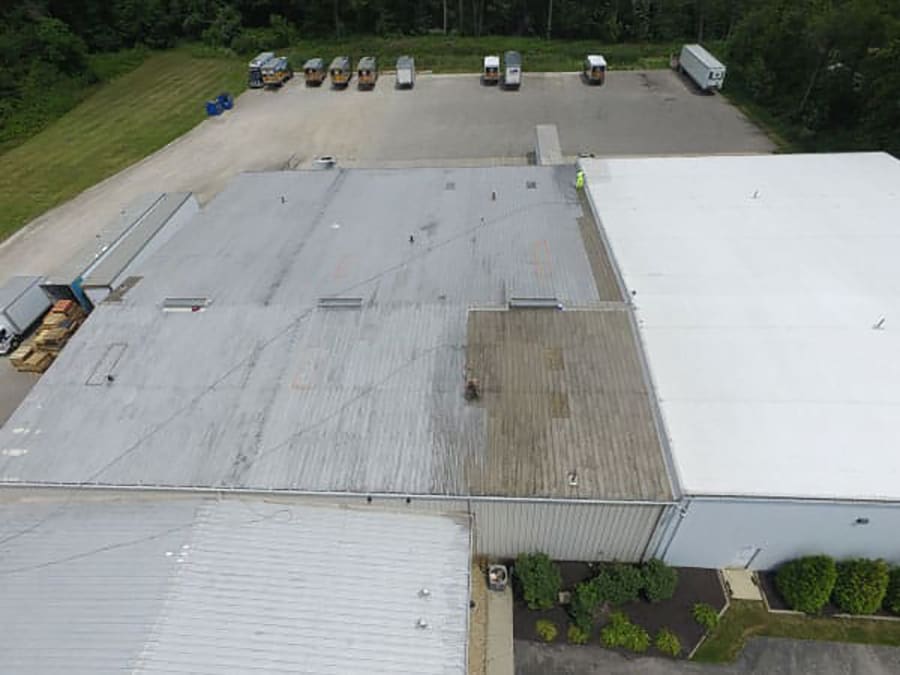
A contractor should be able to explain why repair, restoration, or replacement fits the roof condition rather than defaulting to the largest project. Localized defects may support repair, while widespread moisture, unstable materials, or repeated failures can justify a broader scope.
The contractor should also explain what roof conditions would change the recommendation from repair to restoration or replacement, and what additional investigation would be needed before that decision is final.
Use Price as One Factor, Not the Only Factor
A low bid is not automatically a poor bid, and a high bid is not automatically better. The more useful comparison is whether each contractor is pricing the same investigation, materials, preparation, details, protections, cleanup, and warranty responsibilities.
Ask questions when one bid is much lower or higher than the others. Differences may come from scope, material specifications, access assumptions, insulation, repairs, or exclusions that are not obvious on the first page.
Commercial Roofers in York, PA
A strong contractor comparison should leave a property manager with clear answers about roof condition, project scope, commercial experience, insurance, operations planning, materials, exclusions, warranty responsibility, and next steps. Those details make it easier to choose a roofer based on the building’s needs rather than marketing claims alone.
Oak Grove Roofing serves commercial properties in York and the surrounding service area. Property managers can call (717) 945-9939 to discuss a commercial roofing evaluation or project scope.
Frequently Asked Questions
What should I ask a commercial roofer before hiring them?
Ask about similar commercial projects, current insurance, inspection findings, the written scope, exclusions, building-operation protections, and who is responsible for workmanship and product warranty requirements.
Should a commercial roofer inspect the roof before giving a final scope?
A condition-based proposal should be supported by enough inspection and documentation to explain the recommended work. Some concealed conditions may still require further investigation after the project begins.
How do I compare commercial roofing bids fairly?
Confirm that each bid covers the same roof areas, preparation, materials, repairs, flashing, drainage, access, cleanup, exclusions, and warranty responsibilities before comparing price.
How often should a commercial roof be inspected?
There is no universal schedule for every roof. System type, age, warranty terms, rooftop traffic, drainage history, prior leaks, and severe weather should guide inspection frequency.