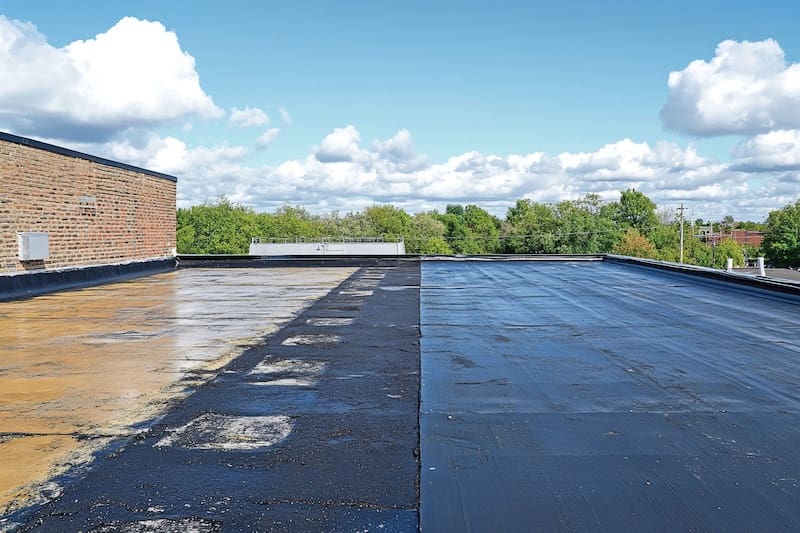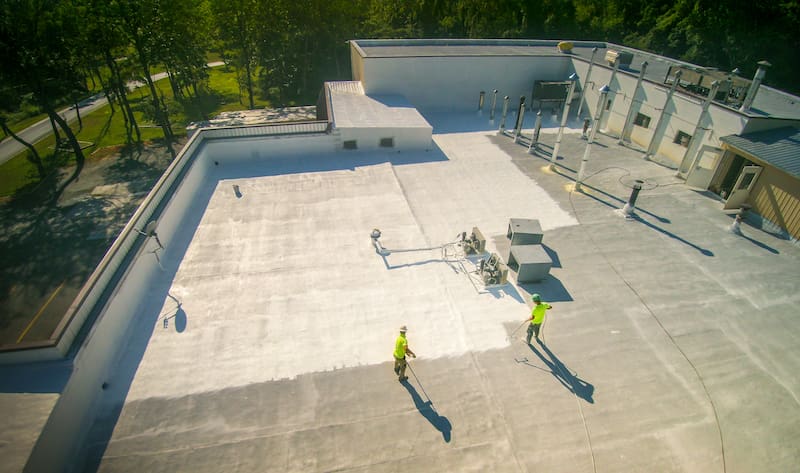
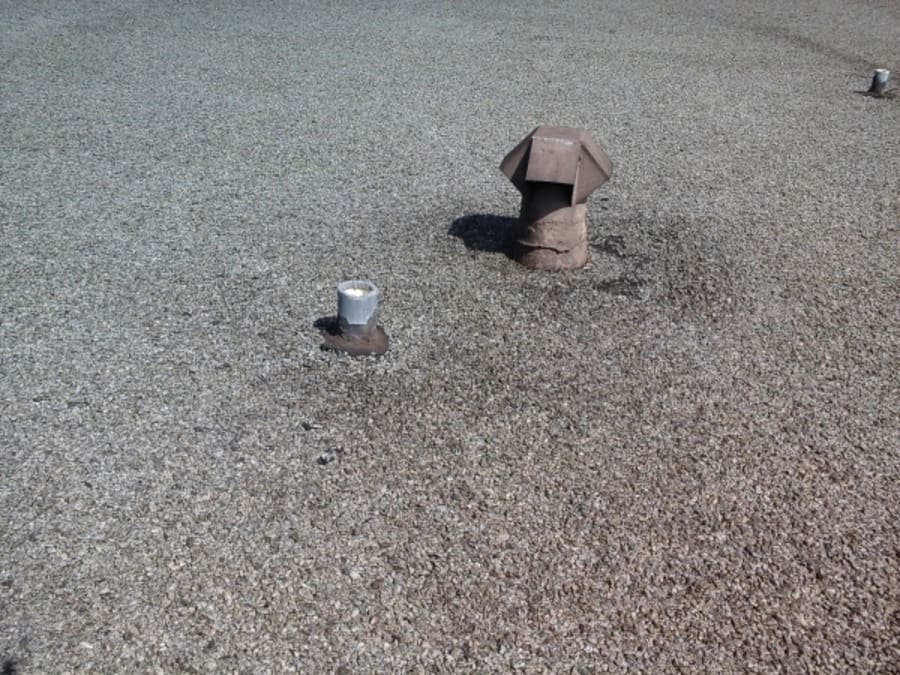
Commercial roof inspections in Coatesville, PA help property owners understand current roof conditions before deciding on maintenance, repair, restoration, or replacement. A useful inspection should look beyond one visible leak and review the roof surface, seams, flashing, penetrations, drainage, perimeter details, previous repairs, and other conditions that affect how the system is performing.
Oak Grove Roofing provides commercial roof inspection and evaluation services within its approved commercial roofing scope and serves Coatesville. The company has more than 20 years of experience, is fully insured and bonded, and is led by founder and CEO Isaac “Ike” Stoltzfus, a certified roofing professional.
What a Commercial Roof Inspection Reviews
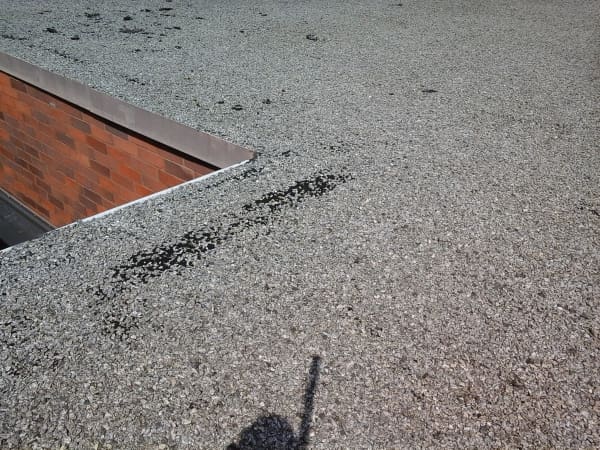
A commercial inspection should consider the roof as a system. Depending on the roof type and safe access conditions, the review may include membrane or metal surface condition, seams and laps, flashing at walls and curbs, roof edges, penetrations, drains, scuppers, gutters, rooftop equipment supports, and areas that have been repaired previously.
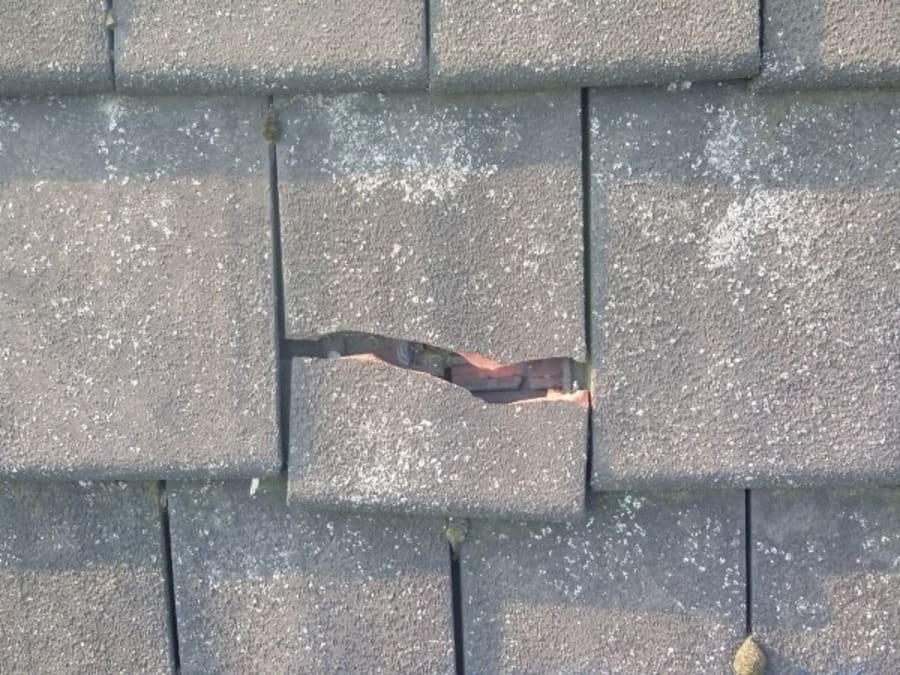
The inspector may note punctures, cracks, open seams, loose or deteriorated flashing, corrosion, surface wear, debris, restricted drainage, or areas where water has been collecting. One visible symptom should not automatically be treated as a complete diagnosis. The goal is to identify patterns and determine whether the concern appears isolated or whether a broader assessment is appropriate.
Drainage and Perimeter Conditions Matter
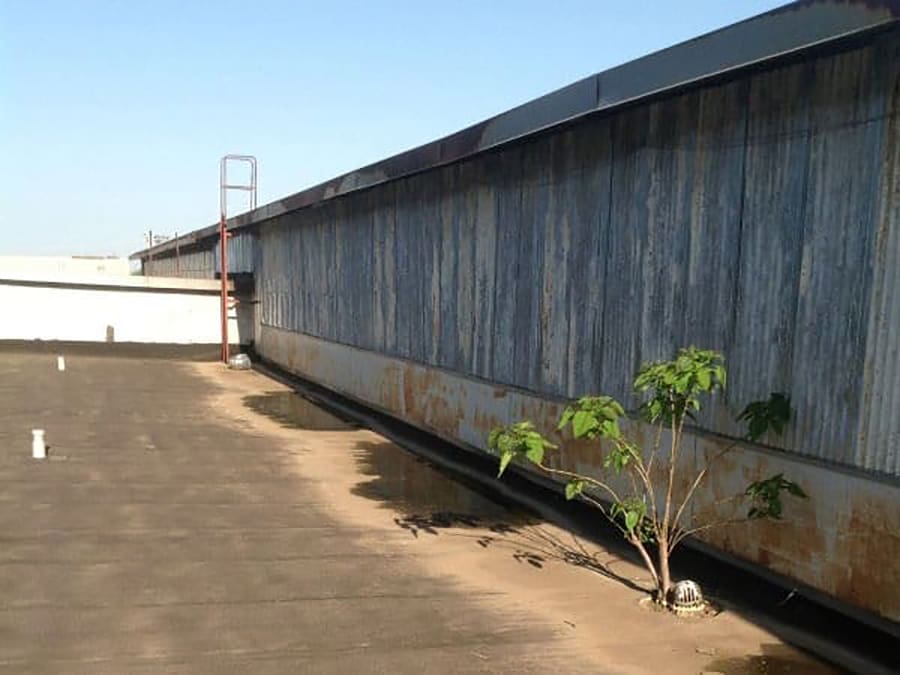
Drainage deserves separate attention because water remaining on a roof can have several causes. Blocked outlets, debris, low areas, drain configuration, settlement, or other building conditions can all contribute. An inspection should document where water is collecting and whether the visible conditions point to a maintenance issue, a roofing defect, or a condition that needs further evaluation.
Roof edges and perimeter details are also important because they connect the field of the roof to walls, parapets, metal edges, and other transitions. Loose materials, open flashing, damaged sealant, or other perimeter defects may allow water entry or require repair even when the main roof surface remains serviceable.
Moisture Findings Need Careful Interpretation
Interior staining, damp ceiling materials, or visible roof damage can show that further investigation is needed, but they do not always identify the exact entry point. Water can move within a roof assembly before it becomes visible inside the building.
If concealed moisture is suspected, ask what can be confirmed during the standard inspection and whether additional testing or selective investigation is recommended. The inspection findings should distinguish observed conditions from suspected conditions rather than presenting assumptions as confirmed damage.
Repairable Findings Versus Broader Concerns
Not every inspection finding requires a large roofing project. A localized puncture, isolated flashing defect, limited seam issue, or small damaged area may support a focused repair when the surrounding roof remains serviceable.
Broader deterioration, repeated leakage, widespread seam problems, loss of attachment, recurring drainage concerns, or suspected moisture in several areas may require a more detailed assessment before the owner chooses among repair, restoration, or replacement. A useful inspection should help separate those categories instead of pushing every finding toward the same solution.
How Often Should a Commercial Roof Be Inspected?
There is no single inspection interval that fits every commercial roof. The schedule should reflect the roof system, age, current condition, drainage, repair history, rooftop traffic, surrounding debris, weather exposure, and any written maintenance or warranty requirements that apply to the installed system.
Additional evaluation may be appropriate after severe weather, new rooftop equipment work, new leakage, visible damage, or a meaningful change in drainage. Seasonal inspections can be useful when they fit the building’s maintenance plan, but spring-and-fall scheduling should not be treated as a universal requirement for every roof.
What Documentation Should an Owner Request?
Before the visit, ask what documentation is included in the inspection scope. Depending on the service, that may include written findings, photographs, marked roof areas, repair priorities, or recommendations for additional investigation. Those deliverables should be confirmed before the inspection rather than assumed.
A clear record can help with maintenance planning and budgeting because it gives the owner a dated reference point for observed conditions. If the inspection is being requested for an insurance, lease, transaction, or other third-party purpose, confirm that party’s requirements separately. A roofing inspection cannot guarantee that an insurer, lender, landlord, buyer, or other party will accept a particular report format.
Prepare Useful Building Information Before the Visit
Existing records can make the inspection more useful. If available, gather prior inspection reports, repair invoices, roof plans, photographs, information about the roof system and approximate age, and notes about recurring leaks or interior staining.
It also helps to identify access requirements before the visit. Locked roof hatches, restricted areas, rooftop equipment, tenant spaces, or other site conditions may affect what can be reviewed. Building staff should not climb onto the roof or perform their own probing or destructive investigation simply to prepare for the inspection.
Use Inspection Findings to Plan the Next Step
Once the findings are available, the owner can decide whether the roof needs routine maintenance, a localized repair, additional moisture investigation, restoration planning, or a broader replacement discussion. The next step should follow the actual condition of the roof rather than a preset preference for one service.
Oak Grove’s seasonal roof maintenance checklist provides related maintenance context, while the company’s roof inspection and evaluation service overview explains the inspection service more broadly.
Commercial Roof Inspections in Coatesville, PA
For a Coatesville commercial property, a roof inspection should help define current conditions, repair priorities, drainage concerns, and areas worth monitoring. It should also make clear which conditions were observed and which may require additional investigation before a larger project is selected.
Oak Grove Roofing serves Coatesville within its commercial roofing service area. Property owners can use a professional inspection to establish a practical condition baseline and plan the next roofing step based on documented findings rather than guesswork.
Frequently Asked Questions
What does a commercial roof inspection check?
An inspection may review the roof surface, seams, flashing, penetrations, roof edges, drainage, previous repairs, visible damage, and other conditions that help define the roof’s current needs.
How long does a commercial roof inspection take?
There is no standard duration for every building. Roof size, system type, access, rooftop equipment, number of roof areas, and the agreed inspection scope can all affect the time required.
How often should a commercial roof be inspected?
The schedule should reflect the roof system, condition, repair history, drainage, rooftop activity, weather exposure, and any written maintenance requirements rather than one fixed interval.
Can inspection records help with an insurance claim?
They can provide dated condition information, but insurance requirements vary. Ask the carrier what documentation it requires and confirm which records are included in the roofing inspection scope.