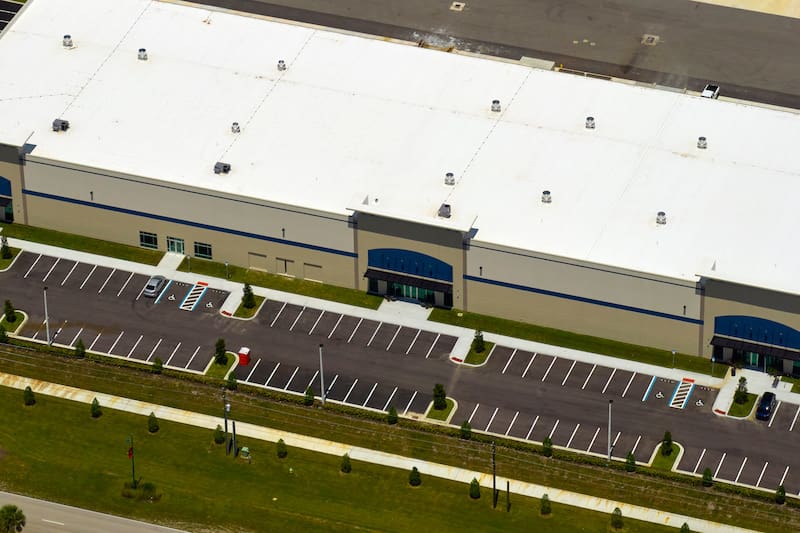
Commercial buildings in York, PA, including warehouses, manufacturing facilities, and agricultural processing buildings, often rely on spray polyurethane foam roofing for long-term weather protection. Keeping the system performing over time depends largely on regular attention to the top coat, which shields the foam from UV exposure, foot traffic, hail, and debris. Spray foam roofing requires a practical maintenance program that includes annual inspections, prompt repairs, and timely recoating.
Call Oak Grove Roofing at (717) 945-9939 for spray foam roofing in York, PA.
Why the Top Coat Matters in Spray Foam Roofing
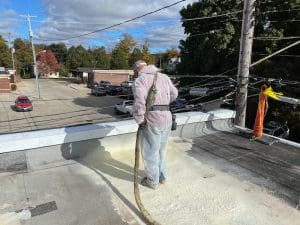 A spray polyurethane foam roof has two primary protective layers. The foam itself is durable, closed-cell material that provides insulation and creates the waterproofing base. The top coat sits above the foam and takes the direct impact of weather and daily activity on the roof.
Because the top coat faces these conditions, its condition is the main focus of routine maintenance. Silicone or acrylic coatings can gradually wear from UV exposure, foot traffic, hail, and debris. On silicone coatings, thinning may show as a change in color or surface texture. Acrylic coatings may develop chalking or lose their surface sheen. Any location where the foam substrate becomes exposed should receive prompt attention.
What a Spray Foam Roof Maintenance Visit Covers
An annual inspection gives a building owner a way to track the roof’s condition before minor wear develops into a larger repair. The inspection examines top coat thickness and coverage across the roof field, along with areas around penetrations and curbs where wear can occur more frequently.
Drain areas, perimeter edges, and locations exposed to foot traffic or mechanical equipment also receive attention. These areas can experience physical damage that affects the protective coating. Identifying punctures, worn spots, or other surface damage early allows repairs to remain localized.
Managing York’s Seasonal Roofing Demands
York’s climate creates several conditions that can affect the top coat over the course of a year. Strong summer UV exposure gradually wears the coating surface. Regular inspection helps identify areas where protection is becoming thinner before the foam underneath is exposed.
Winter brings freeze-thaw cycles that can put additional stress on damaged or weakened coating areas. Spring and fall can bring higher humidity, creating conditions where moisture can enter through compromised surfaces. For building owners, the practical response is consistent monitoring throughout the roof’s service life and additional inspection after significant hail or wind events.
Recoating Keeps Spray Foam Roofing in Service
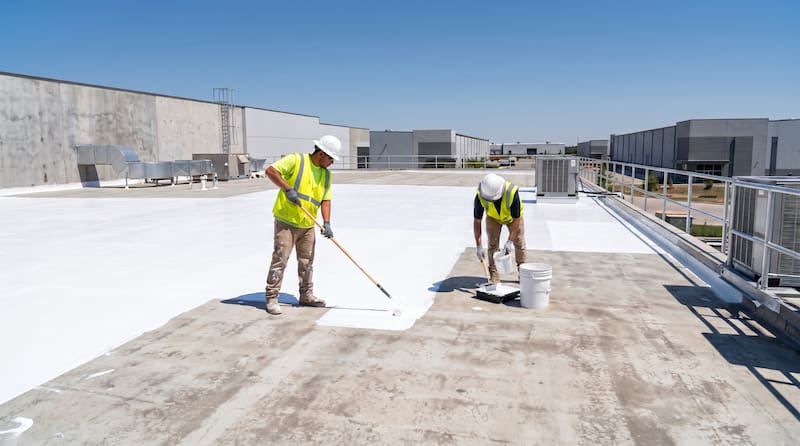
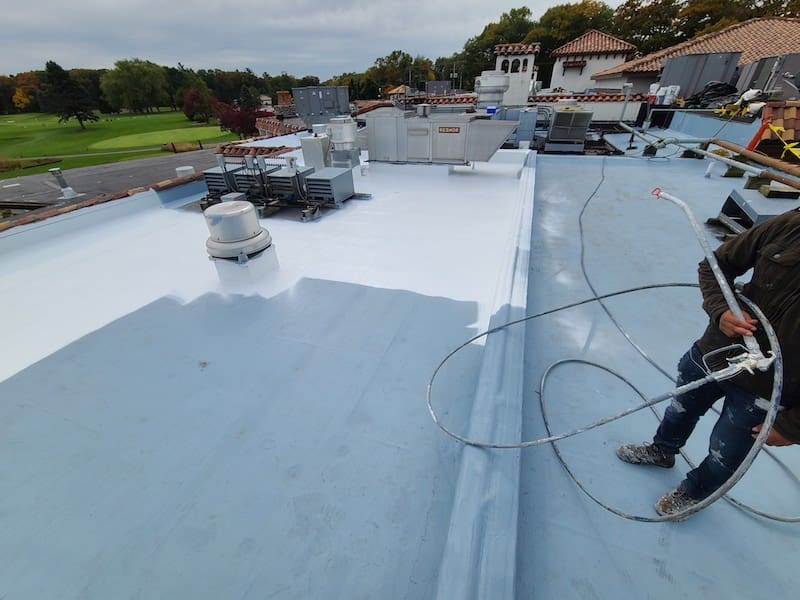
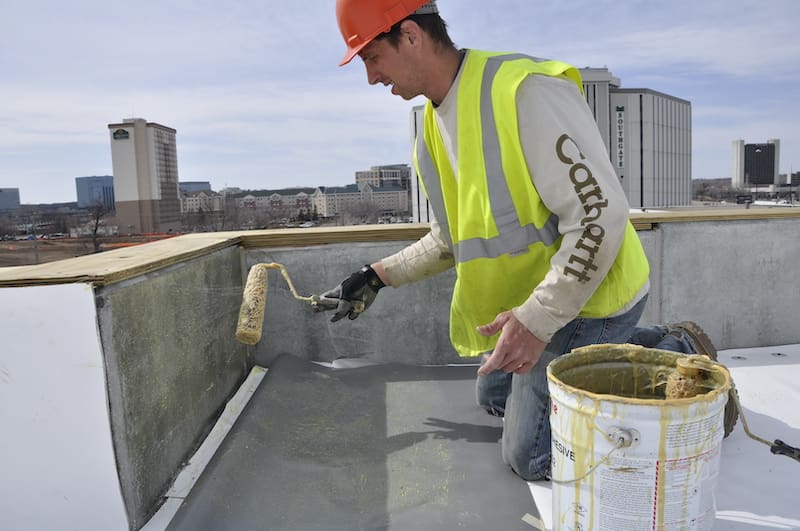
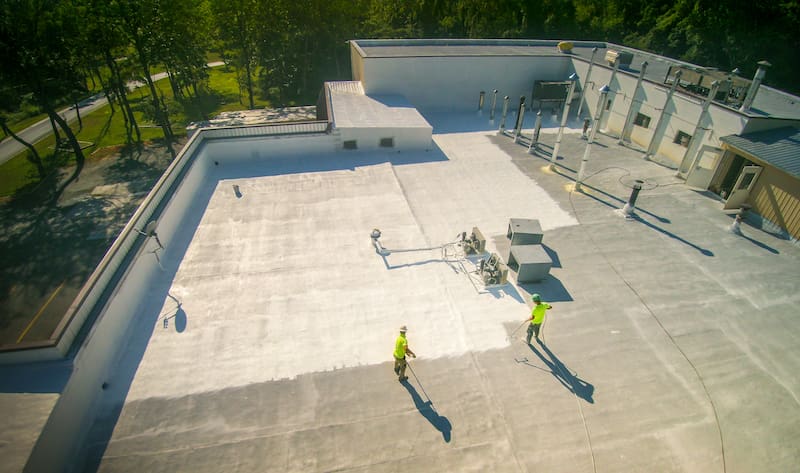
Recoating is a central part of long-term spray foam roof maintenance. When the top coat approaches the end of its warranty period and widespread wear or thinning is present, a new coating can be applied over the existing surface. This renews the roof’s UV protection and waterproofing layer without requiring replacement of the entire foam system.
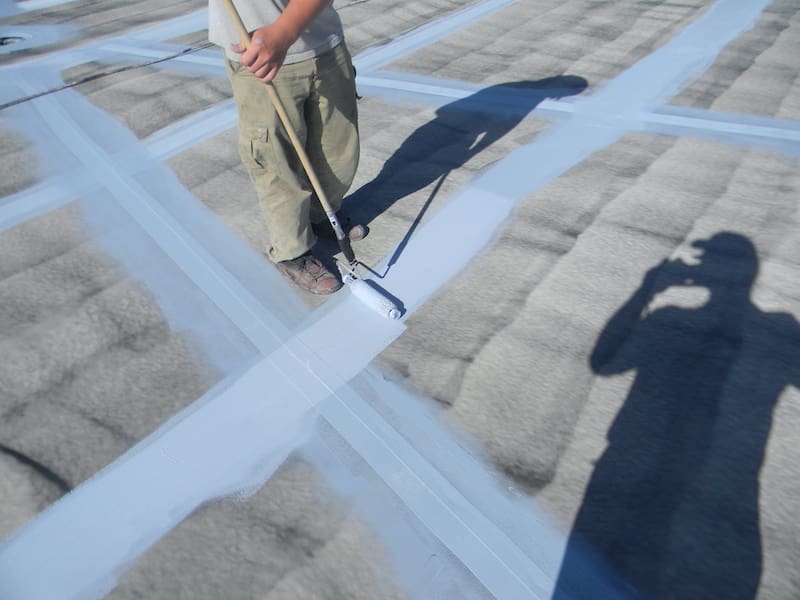
Localized punctures, impact damage, and worn spots generally call for localized coating repairs. The affected area is cleaned and a compatible coating patch is applied. Addressing these areas promptly helps prevent moisture from reaching the foam substrate. If damage is left untreated, moisture can enter the foam and repeated freeze-thaw cycling can degrade the affected cells.
Maintain Your Commercial Foam Roof
A spray foam roof can remain in service for decades when its protective coating is monitored and maintained. Annual inspections provide a consistent way to identify wear, while timely repairs and scheduled recoating help preserve the system through York’s changing seasons.
For spray foam roofing in York, PA, contact Oak Grove Roofing at (717) 945-9939 today.
FAQ
How often does a spray foam roof need to be inspected on a York commercial building?
A spray foam roof should be inspected at least annually. An additional inspection is appropriate after a significant hail or wind event. Inspections focus on top coat thinning, physical damage, and areas where the foam substrate may be exposed. Early identification can keep repairs smaller and help maintain the system through York’s seasonal conditions.
What happens if the top coat on a spray foam roof is not maintained?
Continued UV exposure can degrade an unprotected coating surface until the foam becomes exposed. Once exposed, the foam can absorb moisture, and freeze-thaw cycling can damage its cells. A worn coating that is addressed promptly may require a relatively small repair, while deferred maintenance can result in a larger foam repair.
When does a spray foam roof need to be recoated rather than just repaired?
Localized damage generally calls for localized repair. Recoating is appropriate when the top coat has reached the end of its warranty period and shows widespread thinning or wear across the roof field. Annual inspections help track the coating’s condition and give building owners advance notice that a larger recoating project is approaching.