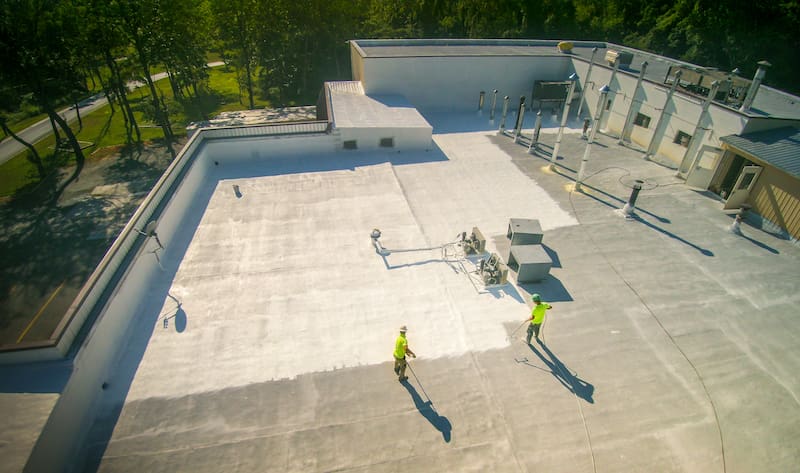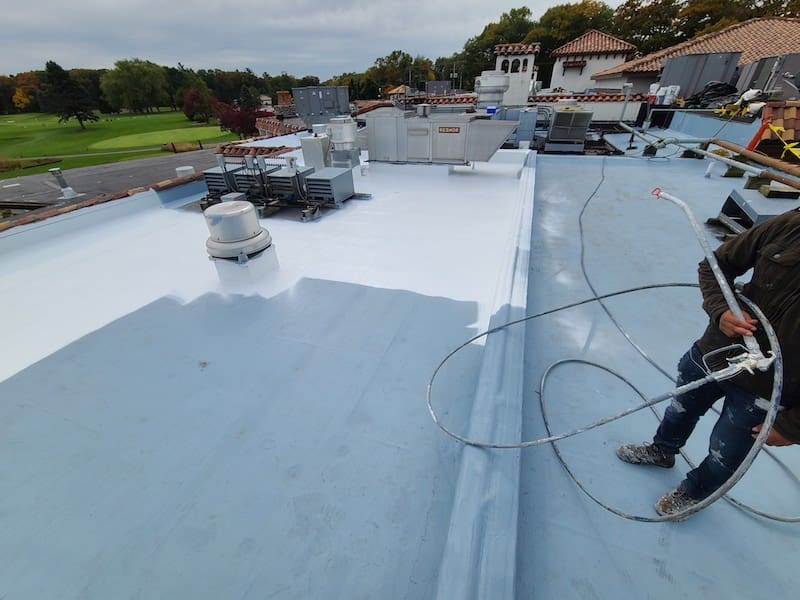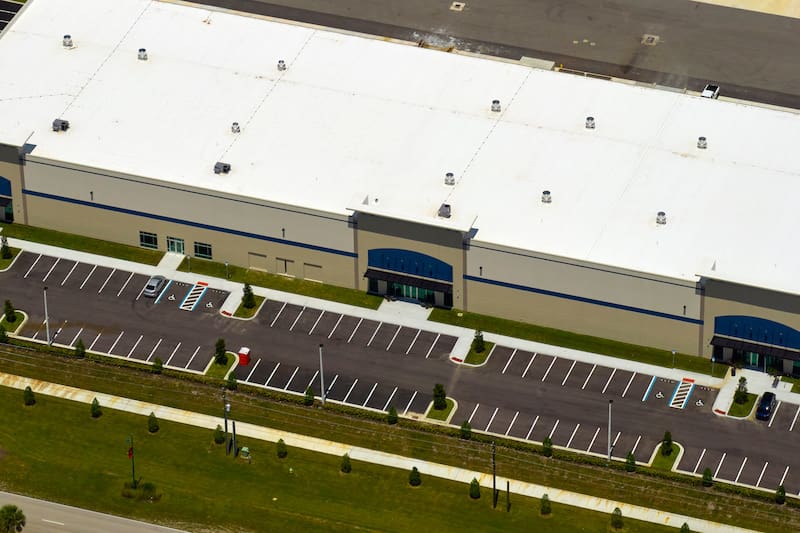
Commercial flat roofs in York, PA often develop isolated problem areas long before the entire roofing system reaches the end of its service life. Seams, flashing details, penetrations, drains, and perimeter edges can become vulnerable to water intrusion while most of the roof remains serviceable. Flat roof sealing provides a focused way to address these areas before they develop into larger roofing problems.
Call Oak Grove Roofing at (717) 945-9939 for flat roof sealing in York, PA.
What Flat Roof Sealing Is and Where It Fits
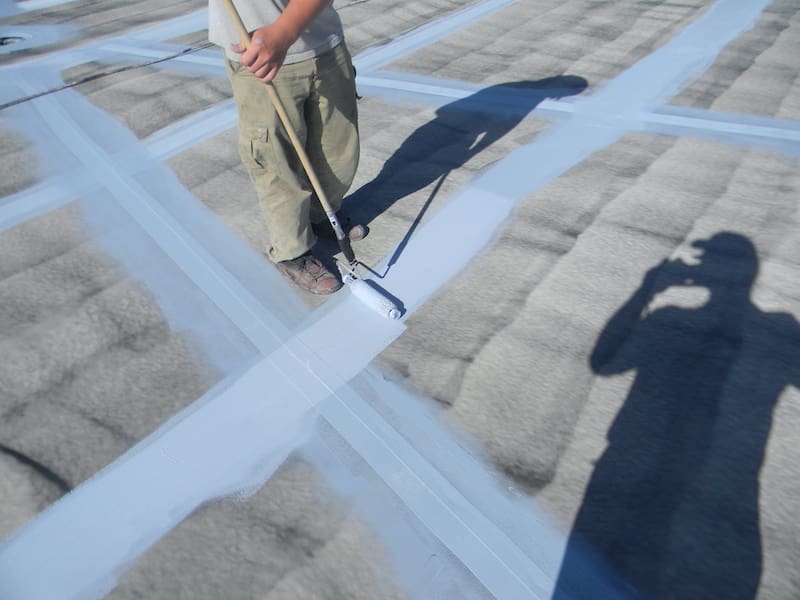
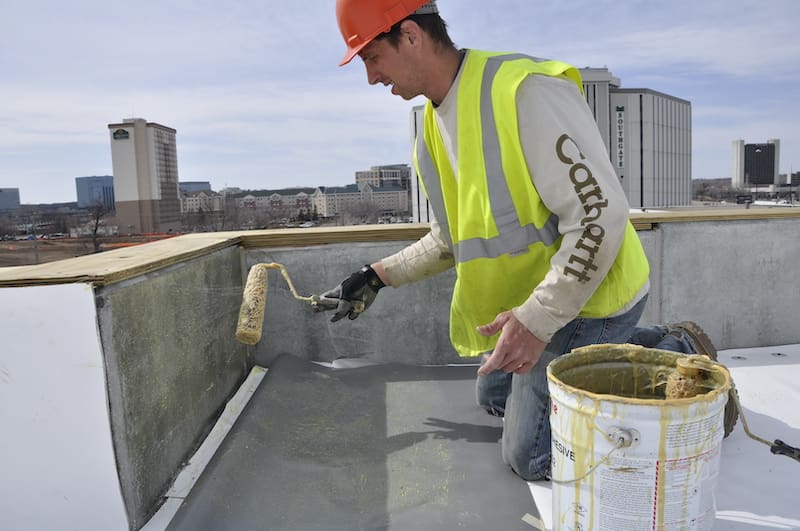
Flat roof sealing is the targeted application of compatible sealant compounds, flashing materials, caulk, or other liquid-applied materials to specific areas where water could enter. Rather than treating the entire roof, the work focuses on discrete vulnerabilities such as weakened seams, cracked sealant, or separated flashing.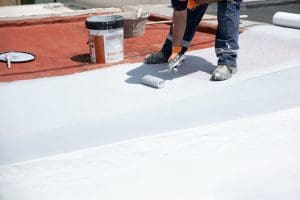
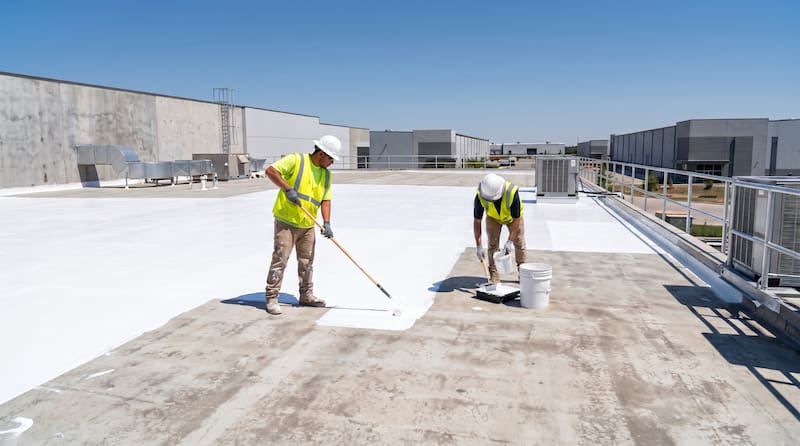
This makes sealing different from a roof coating or restoration project. A coating applies a fluid-applied membrane across the roof field, while restoration generally involves broader treatment of the existing system. Replacement involves removing the existing roof and installing a new system. Sealing is appropriate when the main membrane remains in serviceable condition but certain details require attention.
For older commercial buildings in York, this distinction can be useful. Mod-bit, EPDM, and built-up roofing systems can remain functional while individual joints and details begin to deteriorate. Targeted sealing can address those specific areas without automatically expanding the project to the entire roof.
Where Flat Roofs Are Sealed
Lap seams and field joints are common areas for sealing on membrane roofs. These connections can become vulnerable as adhesives weaken or materials experience repeated temperature changes. A deteriorated seam can create a path for water to reach the layers beneath the membrane.
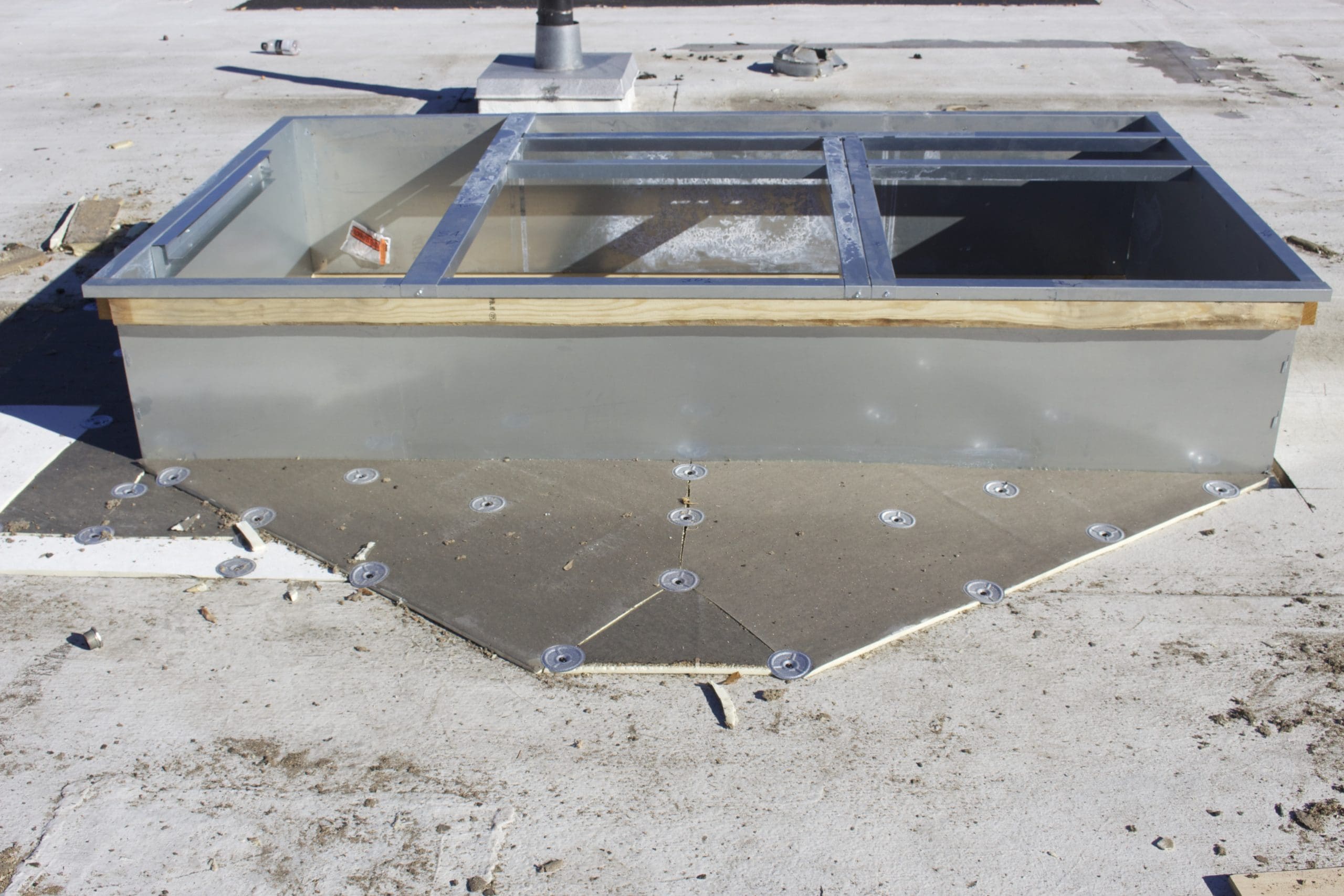
Flashings around pipes, HVAC curbs, vents, drains, and skylights also receive close attention. These locations interrupt the main roof surface, so the transition between the roof membrane and another component must remain properly sealed. If the original sealant dries, cracks, or pulls away, water can enter around the penetration.
Perimeter edge metal and parapet transitions can experience movement and weather exposure over time. Drain collars are another area where sealing may be needed when the connection between the membrane and drain has deteriorated. These details are often smaller than the surrounding roof field, but they can have a significant effect on water management.
What a Professional Flat Roof Sealing Service Involves
The process begins with an assessment of the existing roof and the locations showing signs of deterioration. The condition of the membrane, seams, flashings, penetrations, drains, and perimeter details helps determine whether targeted sealing is appropriate. The inspection also helps identify whether the problem is localized or part of more widespread deterioration.
Material selection depends on the existing roofing system and the specific failure point. Compatible sealant compounds may be used on membrane areas, while liquid-applied flashing materials, reinforced flashing tape, or caulk may be suitable for other details. Using a material appropriate for the existing system helps the repair function as intended.
For a building owner, access and scheduling depend on the size and condition of the roof and the number of areas requiring work. Because sealing focuses on specific locations rather than the entire roof, the scope can be more limited than a full coating or restoration project. The assessment establishes what work is actually needed before application begins.
When Flat Roof Sealing Is the Right Choice
Flat roof sealing is generally suited to roofs where the main membrane remains in usable condition and the vulnerabilities are localized. If only several seams, penetrations, or flashing points have deteriorated, addressing those areas can be a practical maintenance measure.
A broader scope may be necessary when deterioration extends across large portions of the roof. Widespread membrane problems can indicate that coating, restoration, or replacement deserves consideration. An inspection helps building owners distinguish between isolated defects and conditions that require a larger roofing strategy.
Protecting a Serviceable Roof
Targeted sealing can help address localized water-entry risks while a commercial flat roof remains otherwise serviceable. Having the roof assessed before choosing a scope allows building owners to match the work to the actual condition of the system.
For flat roof sealing in York, PA, contact Oak Grove Roofing at (717) 945-9939 today.
FAQ
What is flat roof sealing, and how is it different from a full roof coating?
Sealing treats specific seams, flashings, penetrations, or other vulnerable locations. A full coating covers the broader roof surface with a fluid-applied membrane. Sealing fits localized problems, while widespread deterioration may require coating or restoration.
Which parts of a York commercial roof commonly need sealing?
Lap seams, field joints, flashing around penetrations and HVAC curbs, perimeter transitions, and drain collars are common areas for inspection. These details can experience movement, weather exposure, or sealant deterioration.
How long does flat roof sealing last?
Its service life depends on the material, application area, and weather exposure. Sealing is a maintenance intervention rather than a permanent solution. Regular inspections can identify when resealing or broader treatment is appropriate.